

Adipic Acid Powder Pneumatic Conveying: Working Principle and Features
Adipic acid is a critical chemical compound widely used in the production of nylon, plasticizers, and other industrial applications. The efficient and safe handling of adipic acid powder is essential for industrial processes, and pneumatic conveying systems have emerged as a preferred method for transporting such powders. This article explores the working principle and key characteristics of adipic acid powder pneumatic conveying systems, highlighting their advantages and operational aspects.
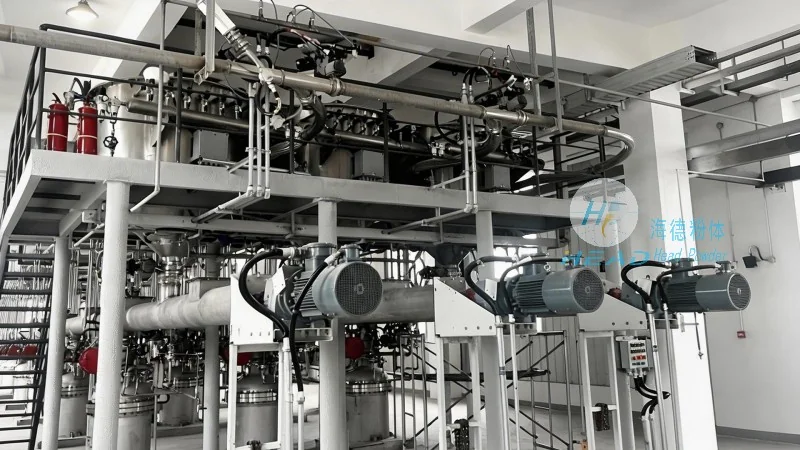
Working Principle of Adipic Acid Powder Pneumatic Conveying
The core of adipic acid powder pneumatic conveying lies in the use of air or gas to transport the powder material through a pipeline system. The process typically involves several key components and steps. First, the adipic acid powder is introduced into a hopper or feeder, where it is then drawn into the conveying line by a vacuum or pressure source. The air, often referred to as the conveying medium, is introduced at a controlled rate to create a fluidized or suspended state of the powder particles. This suspension allows the powder to be moved through the pipeline with minimal friction and minimal risk of clogging or degradation. The system may use either positive pressure (blowing air into the line) or negative pressure (sucking air out of the line) to achieve the desired transport. The choice between these methods depends on factors such as the distance to be covered, the volume of material, and the specific characteristics of the adipic acid powder, including its particle size, moisture content, and flowability.
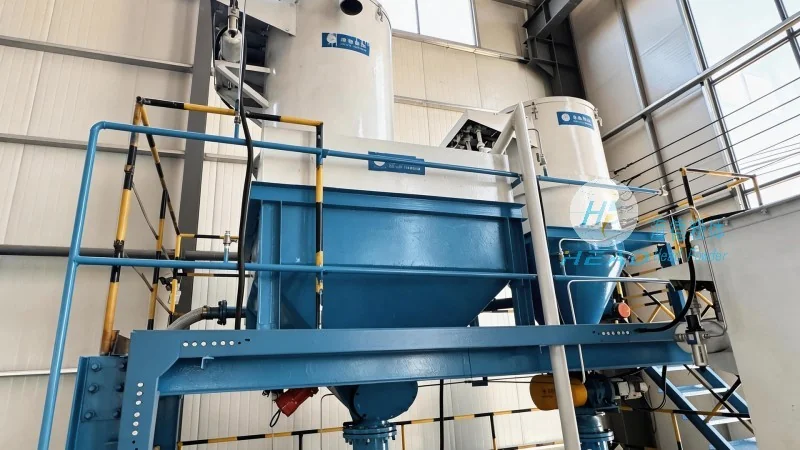
Key Characteristics of Adipic Acid Powder Pneumatic Conveying Systems
Adipic acid powder pneumatic conveying systems exhibit several notable characteristics that make them suitable for industrial applications. One of the primary advantages is the ability to handle fine powders without the need for mechanical components that could cause contamination or wear. The system operates in a closed environment, which helps maintain product purity and prevents dust emissions into the workplace. This is particularly important for adipic acid, which is a hazardous material in certain concentrations and requires strict containment measures. Another key characteristic is the flexibility in system design, allowing for integration with existing production lines or expansion to accommodate increased production needs. The conveying speed can be adjusted to match the processing requirements of downstream equipment, ensuring smooth and continuous operation. Additionally, the system can handle varying particle sizes and moisture levels, making it adaptable to different production scenarios. The energy efficiency of pneumatic conveying systems is also a significant factor, as they can reduce the need for manual handling and associated labor costs. However, it is important to note that the system's performance is dependent on proper maintenance and regular cleaning to prevent blockages and ensure consistent operation.
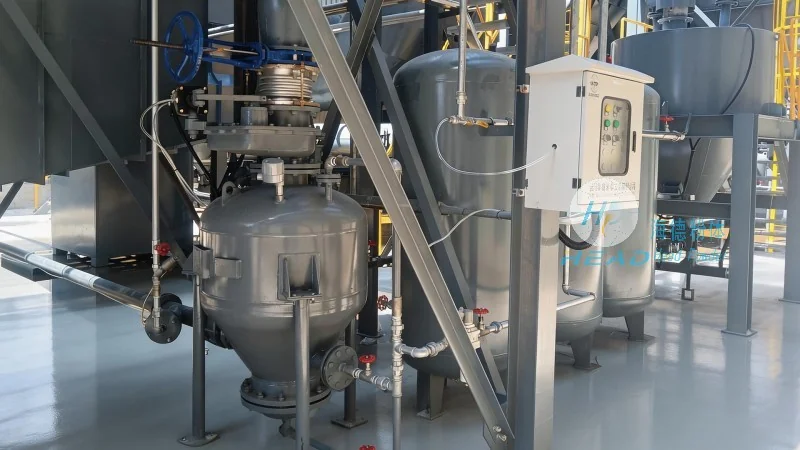
Advantages and Applications in Industrial Settings
Adipic acid powder pneumatic conveying systems offer several advantages that make them a preferred choice in industrial settings. The ability to transport powders over long distances without the need for intermediate storage or handling points reduces the risk of material loss and contamination. This is particularly beneficial for large-scale production facilities where adipic acid is used in bulk quantities. The system also minimizes the need for manual labor, as the entire process from loading to unloading is automated, improving safety and reducing the risk of accidents. Furthermore, the closed system design helps in maintaining environmental standards by preventing dust emissions, which is crucial for compliance with environmental regulations. The systems are widely used in the chemical and pharmaceutical industries, where the purity and quality of adipic acid are critical. They are also suitable for applications in food processing and other industries where the material must meet stringent quality and safety standards. The adaptability of the system to different production scales and the ability to integrate with various equipment make it a versatile solution for adipic acid powder handling.
Operational Considerations and Maintenance
While adipic acid powder pneumatic conveying systems offer numerous benefits, proper operation and maintenance are essential to ensure optimal performance and longevity. Regular inspection of the conveying lines and components is necessary to detect any signs of wear or damage that could affect the system's efficiency. The air filtration system must be maintained to prevent the accumulation of powder particles, which can lead to clogging and reduced airflow. The hopper and feeder mechanisms should be checked for proper functioning to ensure consistent material flow. Additionally, the system's pressure and vacuum levels should be monitored to maintain the desired conveying conditions. Proper training of operators on the system's operation and safety protocols is also crucial to prevent accidents and ensure smooth operation. By adhering to these operational considerations, the system can operate efficiently and reliably, providing consistent performance over extended periods.
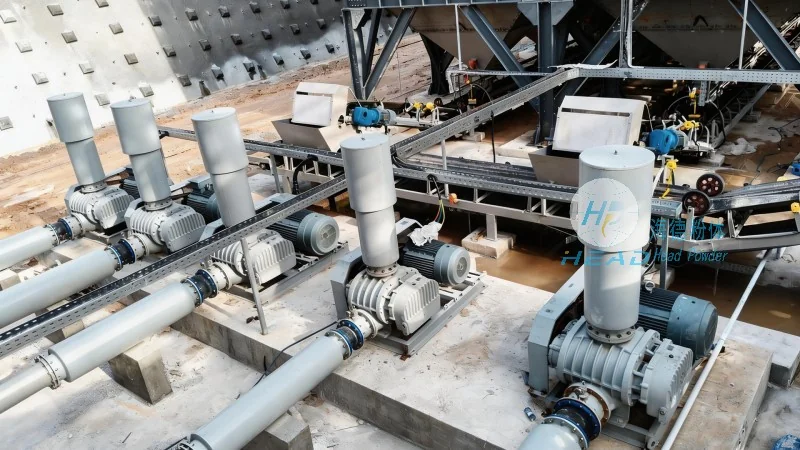
Conclusion
Adipic acid powder pneumatic conveying systems represent an efficient and reliable method for handling adipic acid powder in industrial applications. The working principle, which involves the use of air to transport the powder through a pipeline system, offers several advantages including minimal contamination, closed system operation, and flexibility in design. The key characteristics of these systems, such as their ability to handle fine powders and adapt to varying production conditions, make them suitable for a wide range of industrial settings. Proper operation and maintenance are essential to ensure the system's optimal performance and longevity. As a leading provider in this field, Shandong HeadPowder Engineering Co., Ltd., based in Shandong, China, specializes in the design, manufacturing, and installation of such systems, ensuring that clients receive high-quality, customized solutions tailored to their specific needs. The company's expertise in pneumatic conveying technology enables them to deliver systems that meet the stringent requirements of the chemical and industrial sectors, contributing to improved productivity and safety in adipic acid powder handling.