

Working Principle and Characteristics of Automatic Loading and Unloading Powder Pneumatic Conveying
Shandong HeadPowder Engineering Co., Ltd., a leading enterprise based in Shandong, China, specializes in the design, manufacturing, and application of advanced powder handling solutions. The company focuses on providing efficient and reliable systems for the transportation of bulk powders, with a particular emphasis on automatic loading and unloading pneumatic conveying technologies. This article explores the fundamental working principles and key characteristics of such systems, highlighting their importance in modern industrial processes.
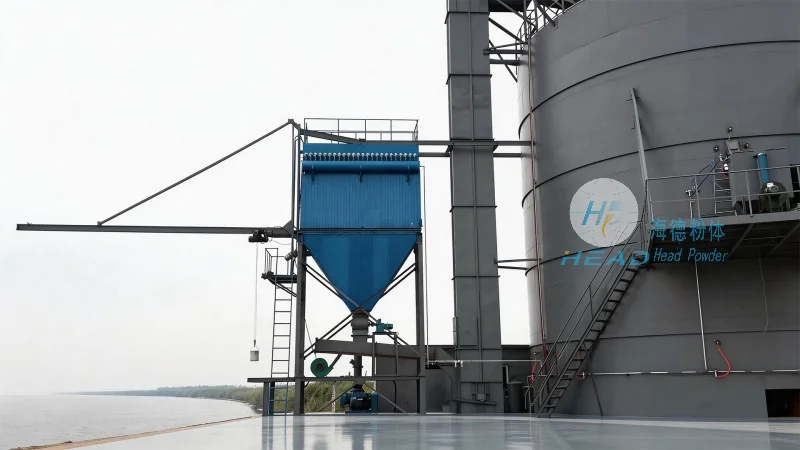
Working Principle of Automatic Loading and Unloading Powder Pneumatic Conveying Systems
The core of an automatic loading and unloading powder pneumatic conveying system lies in its ability to transport bulk powders from a source to a destination using a combination of air flow and pressure. The system typically operates by drawing air into a hopper or storage vessel, where the powder is then entrained and carried through a pipeline to the discharge point. For automatic loading, the system may incorporate sensors and control mechanisms to regulate the flow rate and ensure precise material transfer. Conversely, for unloading, the system uses similar principles but directs the powder flow to the desired outlet, often with the aid of valves and regulators to control the discharge rate. The entire process is automated, minimizing human intervention and enhancing operational efficiency.
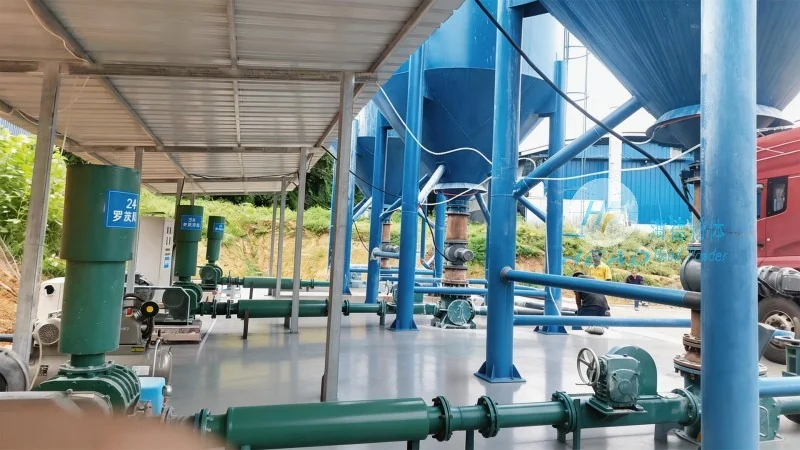
Key Characteristics of the System
Several distinct characteristics define the performance and applicability of automatic loading and unloading powder pneumatic conveying systems. First, the system offers high flexibility in terms of material handling, as it can accommodate a wide range of powder types, including fine powders, granules, and even sticky or cohesive materials. This adaptability is crucial for industries such as pharmaceuticals, food processing, and chemical manufacturing, where material consistency and purity are paramount. Second, the system provides excellent control over the conveying process, allowing for precise regulation of flow rates, pressure, and air velocity. This control ensures that the material is transported without degradation, caking, or segregation, maintaining the integrity of the product. Third, the system is designed for minimal maintenance and durability, with robust components that can withstand the abrasive nature of powders and the demands of continuous operation. Additionally, the automated nature of the system reduces labor costs and enhances safety by minimizing exposure to dust and other hazards associated with manual handling.
Advantages in Industrial Applications
The integration of automatic loading and unloading powder pneumatic conveying systems into industrial operations brings numerous advantages. One of the most significant benefits is the improvement in production efficiency, as the system enables continuous and uninterrupted material flow, reducing downtime and increasing throughput. This is particularly valuable in high-volume manufacturing environments where productivity is a critical factor. Another advantage is the enhancement of product quality and safety. By eliminating manual handling, the system reduces the risk of contamination and human error, ensuring that the final product meets stringent quality standards. Furthermore, the system's ability to handle various powder types and sizes makes it a versatile solution for diverse industrial needs, from small-scale laboratory applications to large-scale bulk handling in manufacturing plants. The automated control features also contribute to better process monitoring and data management, allowing for real-time adjustments and optimization of the conveying process.
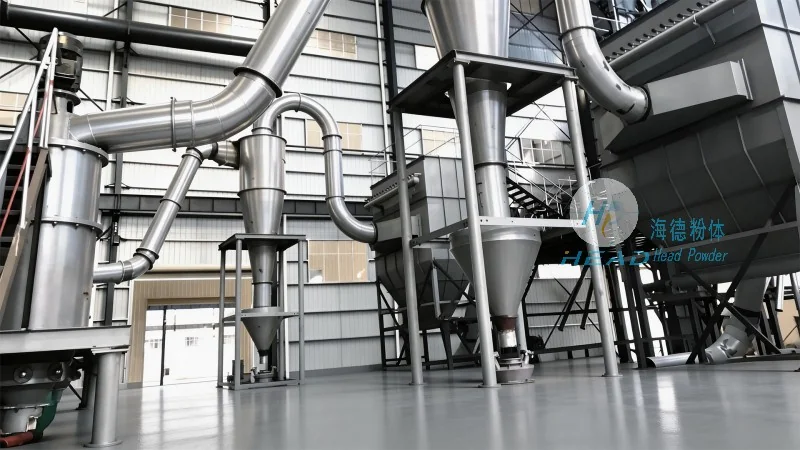
Conclusion
Automatic loading and unloading powder pneumatic conveying systems, as exemplified by the solutions offered by Shandong HeadPowder Engineering Co., Ltd., represent a sophisticated approach to bulk material handling. By leveraging advanced pneumatic technology and automation, these systems provide efficient, reliable, and safe solutions for transporting powders in various industrial settings. The working principles, characterized by air flow and pressure control, combined with key characteristics such as flexibility, precision, and durability, make them indispensable in modern manufacturing processes. As industries continue to seek more efficient and sustainable material handling methods, the importance of such systems will only grow, ensuring their continued relevance and application in the future.