

What is an Industrial Alkali Powder Pneumatic Conveying Machine? And What Are Its Design Principles?
Industrial alkali powder pneumatic conveying machines are specialized equipment used in various industrial applications to transport alkaline powders through a pressurized air system. These machines are essential for efficiently moving materials like caustic soda, sodium hydroxide, or other alkali compounds, which are commonly used in chemical processing, manufacturing, and other industries. The design of such machines is crucial for ensuring safe, reliable, and efficient material handling, especially when dealing with potentially hazardous or reactive powders.
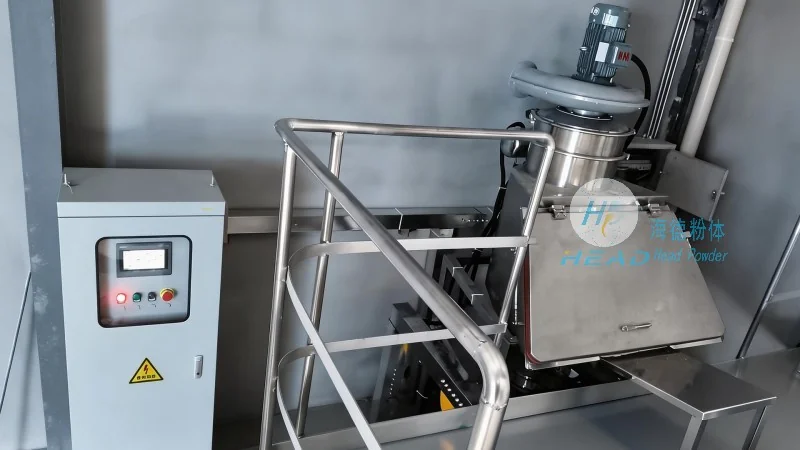
Introduction to Industrial Alkali Powder Pneumatic Conveying Machines
Industrial alkali powder pneumatic conveying machines, also known as pneumatic conveyors, are systems designed to transport dry powders, including alkaline materials, through a pipeline using compressed air or other gas. These machines are widely used in industries that require the handling of bulk powders, such as chemical, pharmaceutical, food processing, and manufacturing sectors. The primary function of these machines is to move powders from a storage hopper or silo to processing equipment, packaging units, or other destinations within a facility. The efficiency and reliability of the conveying system directly impact production throughput and operational costs, making it a critical component in many industrial processes.
Design Principles of Industrial Alkali Powder Pneumatic Conveying Machines
The design of industrial alkali powder pneumatic conveying machines is based on several key principles to ensure optimal performance and safety. The first principle is the use of a pressurized air system to create a flow of air that entrains the powder particles and transports them through the pipeline. This system typically includes a blower or compressor to generate the necessary air pressure, a hopper or feeder to introduce the powder into the system, and a pipeline network to direct the material to its destination. The design must also consider the characteristics of the alkali powder, such as its particle size, density, moisture content, and flowability, as these factors influence the conveying velocity and system pressure required.
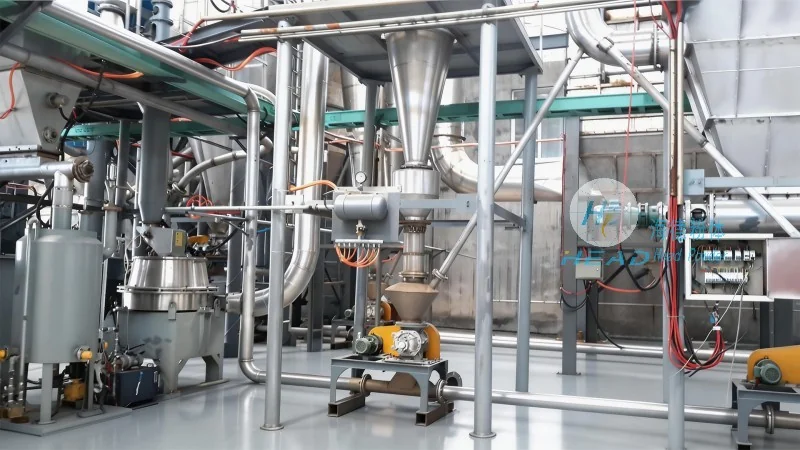
Another critical design principle is the selection of appropriate materials for the construction of the conveying system. Since alkali powders can be corrosive or reactive, the equipment must be made from materials that are resistant to chemical attack, such as stainless steel, special alloys, or high-quality plastics. The components, including the hopper, feeder, pipeline, and valves, are designed to prevent material buildup, clogging, or degradation, which could lead to system failure or safety hazards. Additionally, the system is often equipped with safety features, such as pressure relief valves, dust collection systems, and explosion-proof designs, to mitigate risks associated with handling reactive powders.
Components and Functionality of Industrial Alkali Powder Pneumatic Conveying Machines
Industrial alkali powder pneumatic conveying machines consist of several key components that work together to achieve efficient material transport. The main components include a blower or compressor, which provides the necessary air pressure to move the powder. The blower is typically a positive displacement type, such as a rotary lobe or screw compressor, which can generate consistent pressure and flow rates. The feeder, often a rotary valve or screw feeder, is responsible for introducing the powder into the system at a controlled rate, ensuring a steady flow of material. The hopper, where the powder is stored, is designed to maintain a consistent level of material and prevent segregation or bridging, which could affect the feeding process.
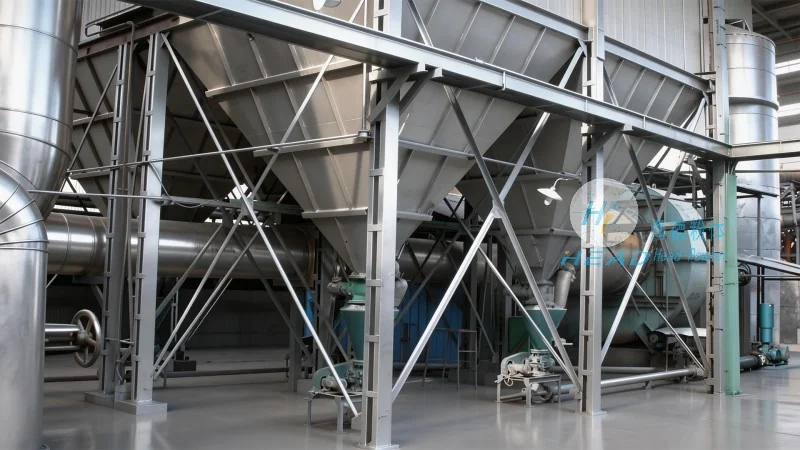
The pipeline network connects the feeder to the discharge point, and it is usually made of metal or high-quality plastic to withstand the pressure and chemical exposure. The pipeline may include bends, elbows, and other fittings that are designed to minimize pressure loss and prevent material deposition. Valves, such as gate valves or check valves, are used to control the flow of air and powder, allowing for start-up, shutdown, and direction changes. The system may also include a dust collection or filtration system to capture any airborne particles and ensure a clean working environment. The discharge point, where the powder is released, is typically a venturi or a diffuser that converts the high-velocity air into a lower-velocity flow, allowing the powder to be deposited in a controlled manner.
Applications and Benefits of Industrial Alkali Powder Pneumatic Conveying Machines
Industrial alkali powder pneumatic conveying machines are used in a wide range of applications across various industries. In the chemical industry, these machines are used to transport caustic soda or other alkali chemicals to reactors, reactors, or storage tanks. In the pharmaceutical industry, they are used to handle active pharmaceutical ingredients (APIs) or excipients that require sterile and controlled handling. In the food processing industry, they are used to transport alkaline powders used in food production, such as baking soda or other additives. The benefits of using pneumatic conveying systems for alkali powders include improved safety, as the material is contained within the pipeline, reduced labor costs, as the system can operate automatically, and increased efficiency, as the material is transported quickly and with minimal loss.
Another significant benefit is the ability to handle powders with varying characteristics, such as different particle sizes or moisture levels, without the need for additional processing steps. The system can also be designed to handle large volumes of material, making it suitable for high-throughput industrial applications. Additionally, pneumatic conveying systems are flexible and can be easily integrated into existing production lines, allowing for modifications or expansions as needed. The design of the system can be customized to meet specific operational requirements, such as the required conveying distance, flow rate, or pressure, ensuring optimal performance for each application.
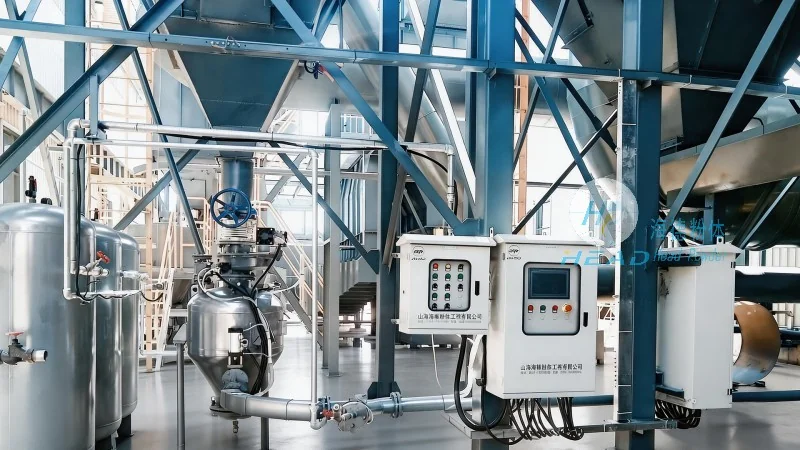
Company Information: Shandong HeadPowder Engineering Co., Ltd.
Shandong HeadPowder Engineering Co., Ltd., commonly known as HeadPowder, is a leading manufacturer of industrial powder handling equipment, including pneumatic conveying systems for alkali powders. The company is headquartered in Shandong, China, and has a strong reputation for providing high-quality, reliable, and efficient equipment to its clients. HeadPowder specializes in designing and manufacturing custom pneumatic conveying systems tailored to the specific needs of each industry, ensuring that the equipment meets the unique requirements of the application. The company's products are known for their durability, safety features, and ease of maintenance, making them a preferred choice for many industrial users.
HeadPowder's team of engineers and technicians has extensive experience in the design and manufacturing of powder handling equipment, with a focus on the chemical and industrial sectors. The company uses advanced technology and materials to ensure that its products meet the highest standards of quality and performance. HeadPowder also provides after-sales support and maintenance services to ensure that its equipment operates at peak efficiency throughout its service life. The company's commitment to customer satisfaction and product excellence has made it a trusted partner for many industrial companies worldwide.