

Lithium Iron Carbonate Powder Pneumatic Conveying System: What It Is and Its Design Principles
Understanding the lithium iron carbonate powder pneumatic conveying system is crucial for industries dealing with high-purity lithium compounds, particularly in the battery manufacturing sector. This system is engineered to efficiently transport fine powders like lithium iron carbonate, ensuring minimal loss and contamination while maintaining operational efficiency. As a key component in material handling, it plays a vital role in the production lines of lithium-based battery materials.
What Is a Lithium Iron Carbonate Powder Pneumatic Conveying System?
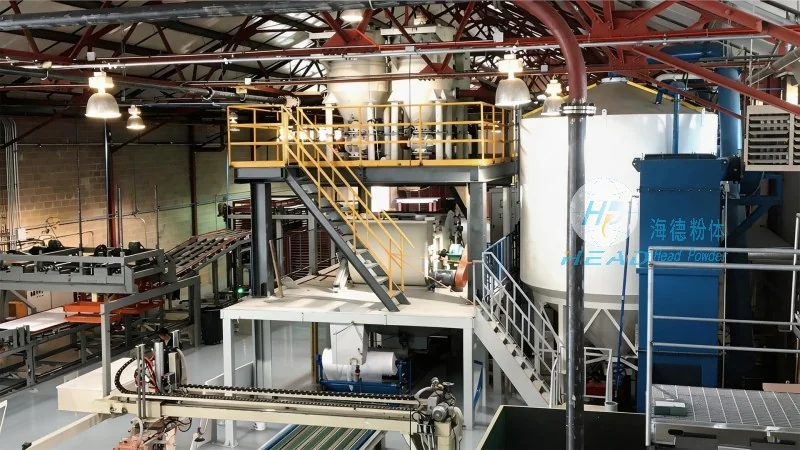
A lithium iron carbonate powder pneumatic conveying system is a specialized equipment setup designed to transport lithium iron carbonate powder through a pressurized or vacuum air stream. This technology eliminates the need for traditional mechanical conveyors, such as screw or belt conveyors, which can cause particle degradation or contamination. The system typically consists of a hopper, a blower or vacuum pump, a pipeline network, and a receiver. The hopper stores the lithium iron carbonate powder, while the blower generates the air pressure needed to move the powder through the pipeline. The pipeline network connects the hopper to the processing equipment or storage area, and the receiver collects the powder at the destination. This setup ensures a clean, dust-free, and efficient transfer of the powder, which is critical for maintaining the quality of lithium iron carbonate, a key raw material in lithium-ion batteries.
Key Components of the System
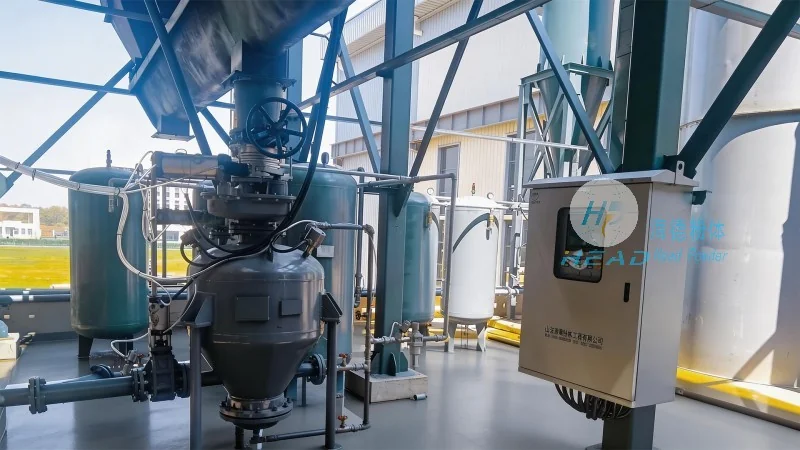
The effectiveness of a lithium iron carbonate powder pneumatic conveying system relies on several key components that work in harmony to achieve efficient material transport. The first component is the material hopper, which is designed to hold the lithium iron carbonate powder. The hopper is equipped with a discharge valve or a rotary valve to control the flow of powder into the system. The second critical component is the air-moving device, which can be either a positive displacement blower or a vacuum pump. The choice between these two depends on the system's requirements, such as the distance of transport and the required air volume. The third component is the pipeline system, which is made of materials resistant to the corrosive properties of lithium iron carbonate, such as stainless steel or PTFE-lined pipes. The pipeline network includes bends, elbows, and straight sections to guide the powder flow. Finally, the receiver or discharge hopper collects the powder at the end of the pipeline, often equipped with a dust collection system to prevent environmental contamination.
Design Principles Behind the System
The design principles of a lithium iron carbonate powder pneumatic conveying system are centered around ensuring efficient, reliable, and safe transport of fine powders. The primary design principle is to maintain the integrity of the lithium iron carbonate particles, preventing agglomeration or breakage during transport. This is achieved by controlling the air velocity within the pipeline to ensure it remains above the minimum fluidization velocity of the powder, which prevents particle settling. Another key principle is to minimize pressure drop along the pipeline to reduce energy consumption and prevent air leakage. The system's design also considers the dust explosion risk, incorporating explosion-proof features in the blower and pipeline components. Additionally, the system is designed for easy maintenance and cleaning to prevent cross-contamination between batches of lithium iron carbonate powder.
Applications in Battery Manufacturing
Lithium iron carbonate powder pneumatic conveying systems are widely used in the battery manufacturing industry, particularly in the production of lithium-ion batteries. These systems are essential for transporting lithium iron carbonate from storage to the mixing and coating stages of battery production. The high-purity nature of lithium iron carbonate requires a clean and controlled environment, which the pneumatic conveying system provides. By eliminating the use of mechanical conveyors, the system reduces the risk of particle contamination and ensures consistent quality of the final battery product. This is critical for meeting the stringent quality standards of modern lithium-ion batteries, which demand high energy density and long cycle life.
Advantages Over Traditional Conveying Methods
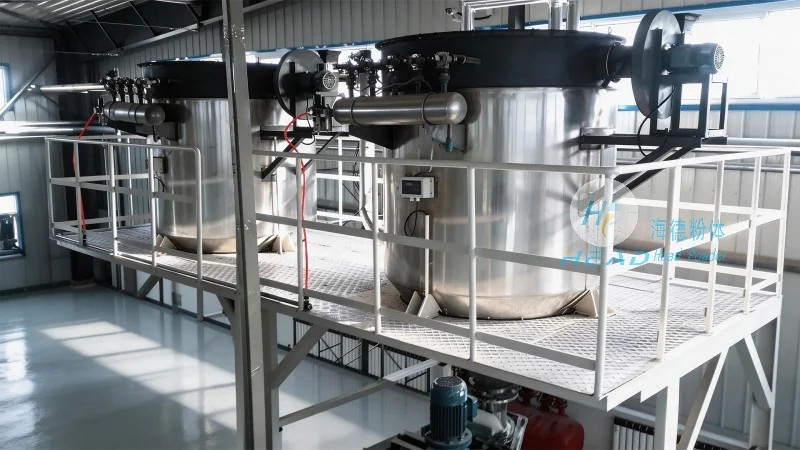
Compared to traditional mechanical conveying methods, such as screw or belt conveyors, the lithium iron carbonate powder pneumatic conveying system offers several advantages. First, it provides a dust-free and enclosed transport environment, which is essential for maintaining the purity of lithium iron carbonate. Mechanical conveyors can cause particle attrition and contamination, which can affect the performance of the final battery. Second, the pneumatic system allows for flexible and scalable transport, as the pipeline network can be easily extended or modified to accommodate changes in production volume. Third, the system is more energy-efficient, as it can transport powder over longer distances with less energy consumption compared to mechanical conveyors. Finally, the pneumatic system is safer, as it eliminates the risk of mechanical failure or material spillage, which can be hazardous in the battery manufacturing process.
Maintenance and Operational Considerations
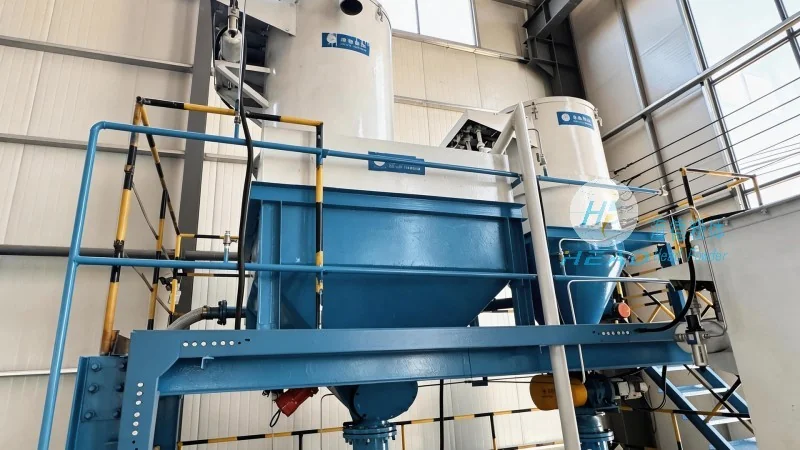
Proper maintenance and operational considerations are essential for ensuring the long-term performance and reliability of a lithium iron carbonate powder pneumatic conveying system. Regular cleaning of the hopper, pipeline, and receiver is necessary to prevent the buildup of powder residue, which can affect the system's efficiency and cause blockages. The air-moving device should be checked regularly for wear and tear, and the air filter should be replaced as needed to prevent dust accumulation. The pipeline system should be inspected for any signs of corrosion or damage, and any leaks should be repaired immediately to maintain system pressure. Additionally, the system should be operated within the recommended air velocity range to prevent particle degradation and ensure efficient transport. By following these maintenance and operational guidelines, the system can operate at peak performance, minimizing downtime and maximizing productivity.
About Shandong HeadPowder Engineering Co., Ltd.
Shandong HeadPowder Engineering Co., Ltd., commonly known as HeadPowder, is a leading manufacturer of specialized powder handling equipment, including pneumatic conveying systems for lithium iron carbonate and other fine powders. HeadPowder is headquartered in Shandong, China, and has a strong reputation for providing high-quality, reliable, and efficient solutions for the battery and chemical industries. The company's expertise lies in designing and manufacturing customized pneumatic conveying systems that meet the specific needs of its clients, ensuring optimal performance and minimal maintenance. HeadPowder's commitment to quality and customer satisfaction has made it a trusted partner for many leading battery manufacturers worldwide.