

What is a dry-mixed mortar powder pneumatic conveying system? What are its design principles?
Understanding the dry-mixed mortar powder pneumatic conveying system is crucial for those involved in the construction materials industry, as it plays a vital role in the efficient and reliable transportation of dry powder materials. This system is specifically designed to handle dry-mixed mortar powders, which are essential components in modern construction applications. The core function of this system is to transport these powders from storage silos or production lines to mixing stations or other processing points with minimal loss and maximum efficiency.
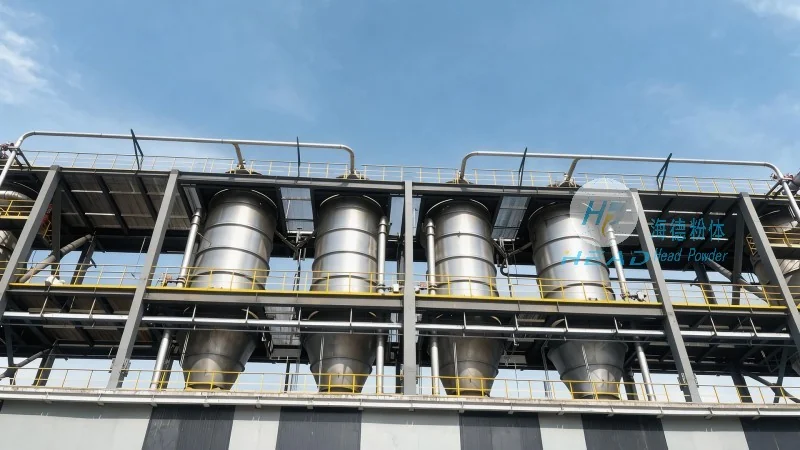
At the heart of the dry-mixed mortar powder pneumatic conveying system lies the pneumatic conveying technology, which utilizes air as the medium to move dry powders. This method offers several advantages over traditional mechanical conveying, such as reduced material degradation, lower maintenance costs, and the ability to handle a wide range of powder types with varying particle sizes and moisture contents. The system typically consists of several key components, including a hopper for material storage, a conveyor line (often equipped with a pipeline), a fan or blower to generate the necessary air pressure, and a control system to regulate the flow of both material and air.
Key Components and Their Functions
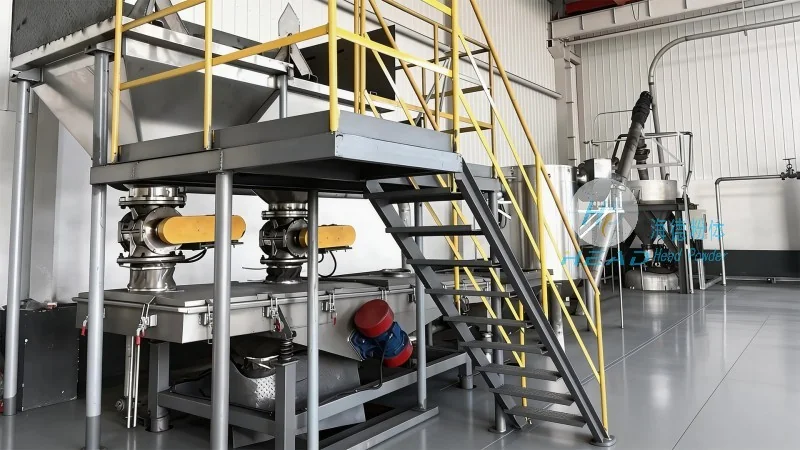
The dry-mixed mortar powder pneumatic conveying system comprises several critical components, each with a specific role in ensuring the smooth operation of the entire process. The first component is the material hopper, which serves as the storage vessel for the dry-mixed mortar powders. This hopper is usually equipped with a feeding mechanism, such as a rotary valve or a screw feeder, that controls the rate at which the material is released into the conveying line. The hopper's design is crucial for preventing material bridging and ensuring a consistent flow of powder into the system.
Next, the conveying pipeline is a central part of the system. These pipelines are typically made of materials like stainless steel or plastic, chosen for their resistance to corrosion and wear from the dry powders. The pipeline is designed to maintain the necessary air pressure and flow rate to move the powder efficiently. In some systems, the pipeline may include bends, expansions, or other fittings that are carefully engineered to minimize pressure losses and prevent material deposition or blockages.
The fan or blower is another critical component, responsible for generating the air pressure needed to move the powder through the pipeline. The type of fan chosen depends on the specific requirements of the system, such as the required air volume and pressure, as well as the characteristics of the powder being conveyed. Centrifugal fans are commonly used for high-volume, low-pressure applications, while positive displacement blowers are suitable for low-volume, high-pressure scenarios. The fan's performance directly impacts the system's conveying capacity and efficiency.
The control system is essential for managing the operation of the entire pneumatic conveying process. This system typically includes sensors to monitor parameters like pressure, flow rate, and material level, as well as controllers that adjust the fan speed, feeding rate, or other variables to maintain optimal operation. Modern control systems may also incorporate automation features, allowing for remote monitoring and adjustment, which enhances the system's reliability and reduces the need for manual intervention.
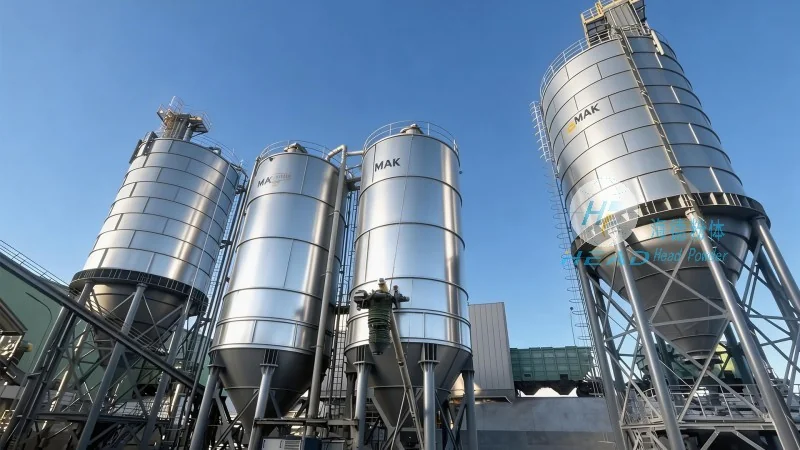
Design Principles of the Pneumatic Conveying System
The design principles of a dry-mixed mortar powder pneumatic conveying system are based on several key factors that ensure the system operates efficiently and safely. The first principle is the selection of the appropriate conveying method, which can be categorized into two main types: dilute-phase and dense-phase conveying. Dilute-phase conveying involves moving the powder in a low concentration of particles suspended in air, typically at high velocities. This method is suitable for short distances and low to medium conveying rates. Dense-phase conveying, on the other hand, involves moving the powder in a higher concentration of particles, often at lower velocities, which is ideal for longer distances and higher conveying rates, as it reduces the risk of material degradation and blockages.
Another critical design principle is the calculation of the required air volume and pressure. This calculation is based on the properties of the dry-mixed mortar powder, such as its particle size distribution, bulk density, and moisture content, as well as the distance and elevation changes between the material source and the destination. Accurate calculations are essential to ensure that the system can handle the required conveying capacity without excessive energy consumption or pressure losses.
The system's design also considers the material's flow characteristics and the potential for material degradation. For example, some dry-mixed mortars may be sensitive to high temperatures or air flow, which can cause caking or degradation. Therefore, the design may include features like temperature control, moisture regulation, or the use of special materials in the pipeline to prevent these issues. Additionally, the system's layout and the placement of components are carefully planned to minimize the number of bends and changes in direction, as these can cause pressure losses and increase the risk of material blockages.
Applications and Benefits in the Construction Industry
The dry-mixed mortar powder pneumatic conveying system finds extensive applications in the construction industry, particularly in the production and distribution of dry-mixed mortars. These systems are used to transport powders from raw material storage to mixing facilities, from production lines to storage silos, or from one processing stage to another. The benefits of using this system in construction applications are significant, including improved efficiency in material handling, reduced labor costs, and enhanced product quality.
One of the primary benefits is the ability to handle large volumes of dry-mixed mortar powders with minimal manual intervention. This is particularly important in large-scale construction projects where the demand for mortar is high, and the need for quick and reliable material supply is essential. The system's ability to maintain consistent material flow and pressure also ensures that the quality of the mortar is consistent, which is crucial for meeting construction standards and ensuring the durability of the final structure.
Another advantage is the reduced risk of material contamination and degradation. Unlike traditional mechanical conveying methods, which may cause friction and heat that can affect the powder's properties, pneumatic conveying uses air to move the material, minimizing these risks. This is especially important for dry-mixed mortars, which may contain additives or binders that are sensitive to temperature or physical stress. The system's design also allows for easy cleaning and maintenance, which helps to prevent cross-contamination and ensures that the material remains free from foreign particles.
The system's flexibility and adaptability are also significant benefits. It can be easily integrated into existing production lines or modified to accommodate changes in production volume or material types. This makes it a versatile solution for construction companies that need to adapt to changing market demands or expand their operations. Additionally, the system's energy efficiency, as compared to other conveying methods, reduces operational costs and contributes to a more sustainable construction process.
Company Information and Expertise
Shandong HeadPowder Engineering Co., Ltd., a leading provider of dry-mixed mortar powder pneumatic conveying systems, specializes in designing and manufacturing high-quality conveying solutions tailored to the specific needs of the construction industry. With a focus on innovation and customer satisfaction, the company has established itself as a trusted partner for construction material manufacturers and suppliers.
HeadPowder's expertise lies in the comprehensive design and implementation of pneumatic conveying systems, ensuring that each system is optimized for the unique requirements of the client. The company's team of engineers and technicians has extensive experience in the field, with a deep understanding of the properties of dry-mixed mortars and the principles of pneumatic conveying. This expertise allows them to develop customized solutions that maximize efficiency, minimize costs, and ensure the highest quality of the conveyed material.
HeadPowder's systems are designed with durability and reliability in mind, using high-quality materials and components that are built to withstand the rigors of continuous operation in the construction industry. The company's commitment to quality is reflected in its adherence to international standards and rigorous testing procedures, ensuring that each system meets the highest performance and safety requirements. Additionally, the company provides comprehensive after-sales support, including maintenance, repair, and technical assistance, to ensure that the system operates at peak performance throughout its service life.
HeadPowder's location in Shandong, China, provides a strategic advantage for serving clients both domestically and internationally. The company's proximity to major construction material markets and its access to a skilled workforce and advanced manufacturing facilities enable it to deliver high-quality products and services efficiently. The company's commitment to innovation and customer-centric approach has earned it a reputation as a leading provider of pneumatic conveying solutions in the industry.