

What is a Soybean Feed Powder Pneumatic Conveying System? And What Are Its Design Principles?
When it comes to efficient and reliable handling of soybean feed powders in industrial settings, the pneumatic conveying system stands out as a crucial solution. This technology is designed to transport bulk materials like soybean feed powders through a pipeline using air or other gas as the conveying medium. Understanding the core components and design principles of such a system is essential for optimizing material flow, ensuring safety, and maintaining product quality.
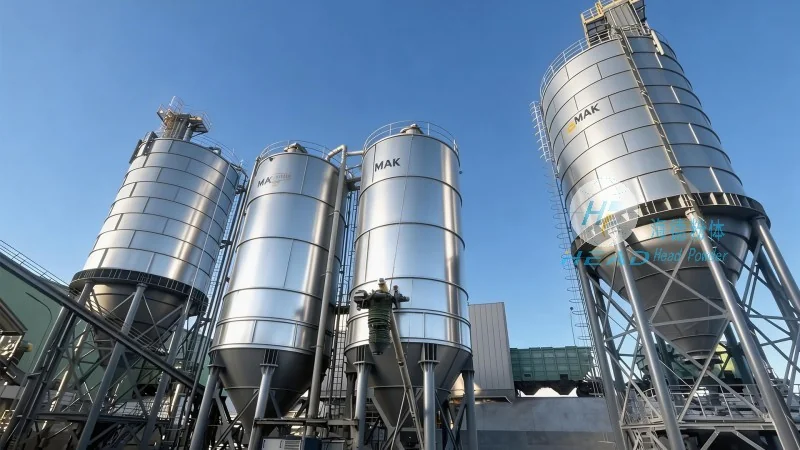
Overview of Soybean Feed Powder Pneumatic Conveying Systems
A soybean feed powder pneumatic conveying system is a specialized equipment setup used to move soybean feed powders from a storage or processing point to a destination such as a mixer, storage silo, or packaging unit. The system typically consists of several key components, including a hopper for material storage, a feeder to control the flow rate, a conveying line (pipeline), a blower or compressor to generate the air flow, and a receiver or collection unit at the end of the line. The entire system operates by creating a pressure differential within the pipeline, which allows the soybean feed powder to be suspended and transported by the moving air stream.
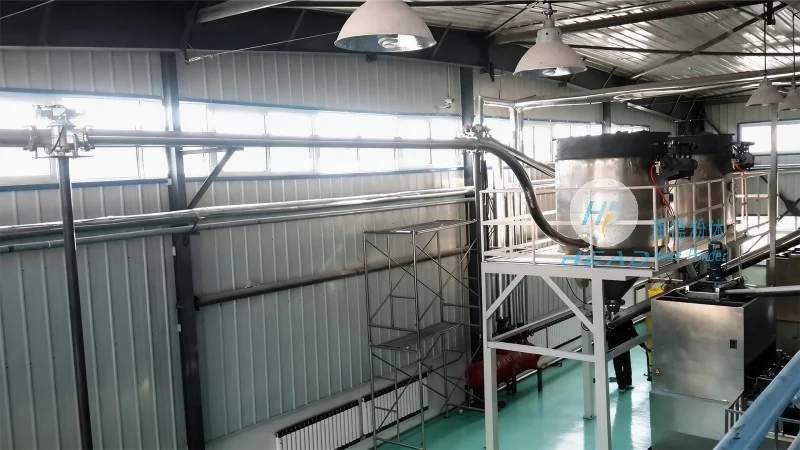
Key Components and Their Functions
Each component of the soybean feed powder pneumatic conveying system plays a vital role in ensuring smooth and efficient operation. The hopper serves as the primary storage vessel, holding the soybean feed powder and providing a consistent feed to the system. The feeder, often a rotary valve or a screw feeder, regulates the amount of material discharged into the conveying line, preventing overloading and maintaining a steady flow rate. The blower or compressor is the heart of the system, generating the necessary air pressure and flow to move the powder through the pipeline. The conveying line, usually made of metal or plastic, carries the air and powder mixture from the feeder to the receiver. Finally, the receiver collects the delivered soybean feed powder and may include a filter to remove any entrained air or fine particles.
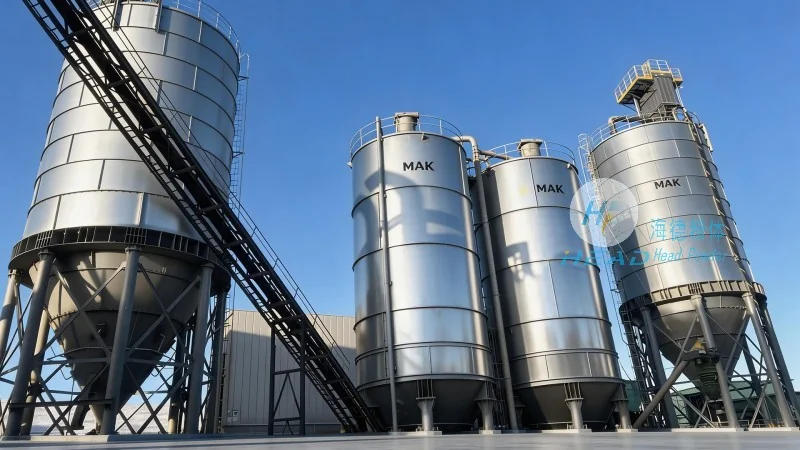
Design Principles for Efficient Operation
The design of a soybean feed powder pneumatic conveying system follows several fundamental principles to ensure optimal performance. First, the system must be designed to handle the specific characteristics of soybean feed powders, such as particle size, density, and moisture content. The particle size distribution affects the flowability and the required air velocity for effective conveying. The system's design must account for these characteristics to prevent issues like blockages or uneven flow. Second, the pressure drop along the conveying line is a critical factor. The pressure drop must be minimized to reduce energy consumption and ensure that the air flow is sufficient to transport the powder. This is achieved by selecting appropriate pipe diameters, using smooth pipe surfaces, and avoiding sharp bends or restrictions that could cause excessive pressure loss. Third, the system must incorporate safety features to prevent dust explosions or other hazards. This includes using explosion-proof components, proper grounding, and dust collection systems. Additionally, the system should be designed for easy maintenance and cleaning to ensure long-term reliability and product quality.
Advantages of Using Pneumatic Conveying for Soybean Feed Powders
Implementing a pneumatic conveying system for soybean feed powders offers several advantages over traditional methods like belt conveyors or bucket elevators. One of the primary benefits is the ability to transport materials in a closed system, which helps maintain product integrity and prevents contamination from external factors. The closed pipeline also reduces dust emissions, improving workplace safety and environmental compliance. Another advantage is the flexibility of the system, as it can be easily reconfigured or expanded to accommodate changes in production volume or processing requirements. The system can handle a wide range of particle sizes and densities, making it suitable for various soybean feed formulations. Furthermore, pneumatic conveying systems are generally more energy-efficient compared to mechanical systems, as they use less power to move the material over long distances. This results in lower operational costs and reduced environmental impact.
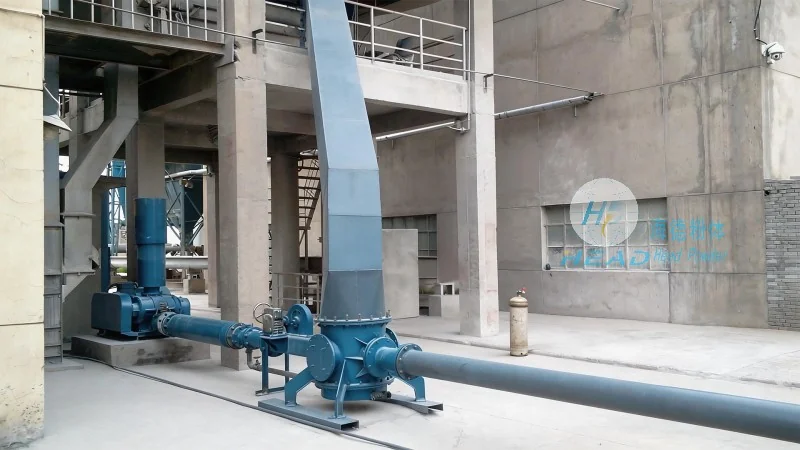
Applications in the Feed Industry
Soybean feed powder pneumatic conveying systems are widely used in the animal feed manufacturing industry. They are commonly employed in feed mills to transport soybean meal, soybean oil, and other feed ingredients from storage silos to mixing and packaging areas. The systems are also used in feed processing plants to move finished feed products to storage silos or loading docks. In addition, the systems are utilized in research and development facilities to transport test samples of soybean feed powders for quality testing and analysis. The versatility and efficiency of pneumatic conveying make it an ideal choice for various applications within the feed industry.