

What is a Silage Powder Pneumatic Conveying System? And What Are Its Design Principles?
Silage powder pneumatic conveying systems are specialized equipment designed to transport silage, a fermented forage used in livestock feed, through a pipeline using air pressure. These systems are crucial in agricultural and feed processing operations, enabling efficient and hygienic movement of silage from storage to processing or feeding areas. The technology behind these systems combines mechanical and pneumatic principles to ensure reliable, low-cost material handling, which is essential for modern farming and animal husbandry.
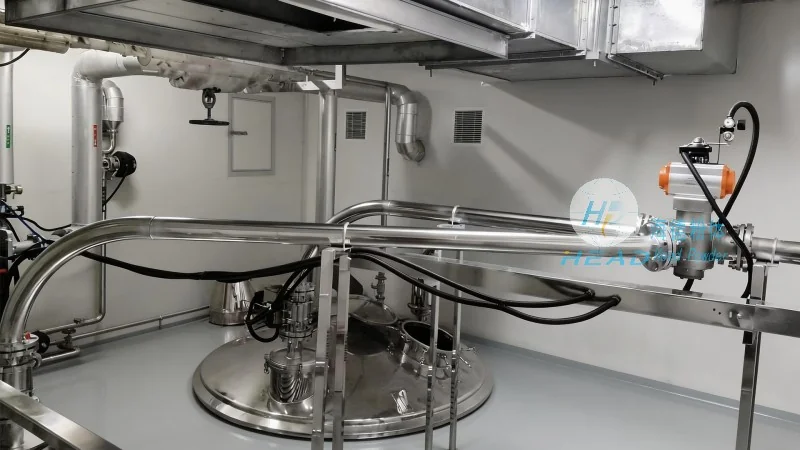
Core Components and Functionality
The primary components of a silage powder pneumatic conveying system include a silo or storage bin, a conveyor line (often a flexible or rigid pipe), a blower or air compressor, a control system, and a discharge unit. The process typically begins with the silage being loaded into the storage bin. The blower generates high-pressure air, which is then introduced into the conveyor line. As air flows through the pipe, it lifts and propels the silage powder particles forward. The control system regulates the air pressure and flow rate to maintain optimal conveying efficiency. The discharge unit at the end of the line collects the silage and delivers it to the intended destination, such as a mixer or feeding station.
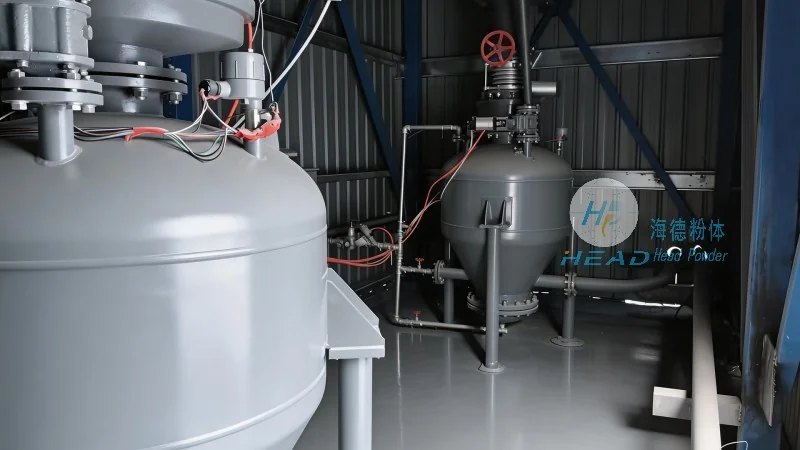
Design Principles and Key Considerations
The design of a silage powder pneumatic conveying system is guided by several critical principles to ensure performance, efficiency, and durability. First, the system must be designed to handle the specific characteristics of silage powder, which can vary in moisture content, particle size, and density. Engineers must consider the material's flowability and potential for caking or blockage, as these factors can impact conveying efficiency. Second, the air pressure and velocity must be optimized to prevent material degradation or damage. Excessive air pressure can cause particle breakage, while insufficient pressure may lead to clogging. Third, the system's hygienic design is paramount, as silage is a feed product that requires strict contamination control. Materials used in the construction of the conveyor line, such as food-grade stainless steel, are essential to prevent bacterial growth and maintain product quality. Additionally, the system's energy efficiency is a key design consideration, as the cost of air compression can represent a significant portion of operational expenses. Engineers often use computational fluid dynamics (CFD) to model airflow and particle movement, allowing for precise optimization of the system's dimensions and pressure settings.
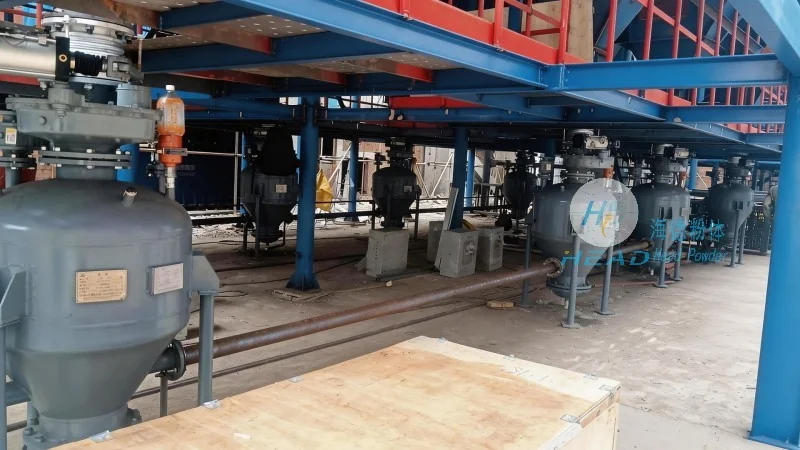
Advantages of Pneumatic Conveying for Silage Handling
Compared to traditional mechanical conveying methods, such as screw conveyors or belt conveyors, silage powder pneumatic conveying systems offer several advantages. One of the most significant benefits is the ability to handle materials in a closed system, which minimizes exposure to contaminants and reduces the risk of cross-contamination between different batches of silage. This is particularly important in feed processing facilities where multiple types of forage are handled. Another advantage is the flexibility of the system, as the conveyor line can be easily reconfigured or extended to accommodate changes in the layout of the farm or processing plant. Pneumatic systems also require less space compared to mechanical conveyors, making them suitable for installations with limited floor area. Furthermore, the hygienic design of these systems contributes to better product quality and compliance with regulatory standards, which is critical for food and feed industries. However, it is important to note that pneumatic conveying systems may have higher initial costs and energy consumption compared to mechanical alternatives, and proper maintenance is required to ensure long-term reliability.
Application Scenarios and Operational Benefits
Silage powder pneumatic conveying systems are widely used in various agricultural and feed processing applications. In dairy farms, for example, these systems are commonly employed to transport silage from the silo to the milking parlor or feed mixer, ensuring a consistent and hygienic supply of feed for the herd. In feed mills, the systems are used to move silage into the mixing process, where it is combined with other ingredients to create balanced animal feed. The systems are also used in large-scale livestock operations, such as feedlots or poultry farms, where the efficient handling of large volumes of silage is essential. The operational benefits of these systems include reduced labor costs, as the automated conveying process minimizes the need for manual handling of heavy or bulky materials. Additionally, the consistent flow of silage improves the efficiency of downstream processes, such as mixing or feeding, leading to better animal performance and overall productivity. The reliability of pneumatic conveying systems also reduces downtime, as they are less prone to mechanical failures compared to traditional conveyors. This reliability is crucial in agricultural operations where feed availability is critical for animal health and productivity.
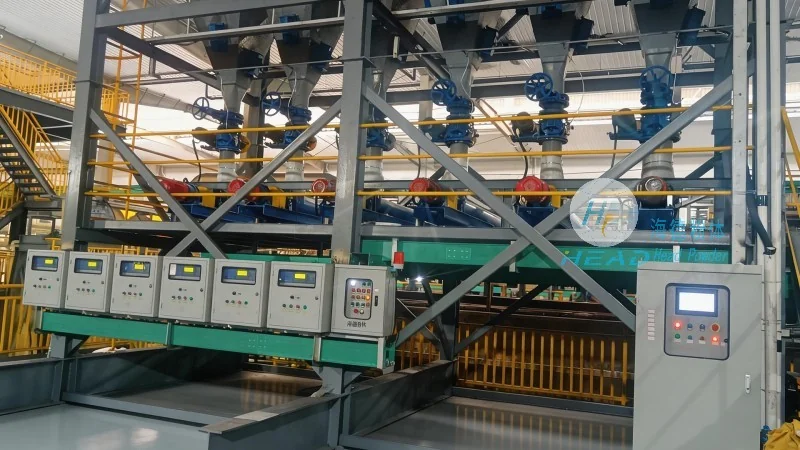
About Shandong HeadPowder Engineering Co., Ltd.
Shandong HeadPowder Engineering Co., Ltd., commonly known as HeadPowder, is a leading manufacturer and supplier of specialized pneumatic conveying systems for the agricultural and feed processing industries. With a focus on innovation and quality, HeadPowder has developed a range of products tailored to the unique needs of silage handling. The company's expertise lies in designing and manufacturing systems that are efficient, hygienic, and durable, ensuring that customers receive reliable equipment that meets their operational requirements. HeadPowder's commitment to customer satisfaction is reflected in its comprehensive after-sales support, including maintenance services and technical assistance. The company's headquarters is located in Shandong, China, where it operates a state-of-the-art manufacturing facility equipped with advanced technology and skilled personnel. HeadPowder's products are widely used in farms and feed mills across China and other countries, contributing to the efficient and sustainable management of agricultural resources.