

What is Wheat Bran Powder Pneumatic Conveying? And What Are Its Design Principles?
Pneumatic conveying is a widely used method for transporting bulk materials like wheat bran powder. This technology involves using air or gas to move powders through a system of pipes and equipment. For industries dealing with wheat bran, understanding the principles behind pneumatic conveying is crucial for efficient material handling and processing. The process typically involves a blower or fan that generates airflow, which then carries the powder particles through the system. This method offers advantages such as reduced contamination, lower maintenance costs compared to mechanical systems, and the ability to handle materials in a closed environment, preventing dust and environmental issues.
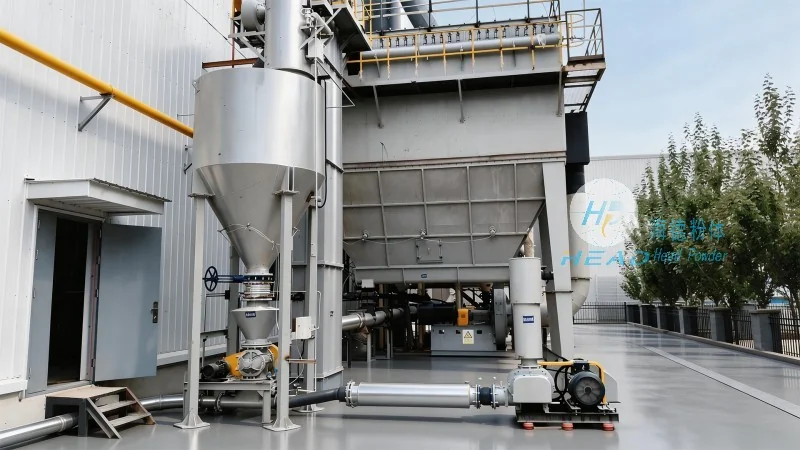
Key Components of Pneumatic Conveying Systems
A typical pneumatic conveying system for wheat bran powder consists of several key components. The primary components include a source of air or gas, a conveying line (usually made of metal or plastic pipes), a material feed device, and a separation or collection system. The air source, often a high-pressure blower or a vacuum pump, provides the necessary force to move the powder. The conveying line is designed to handle the specific characteristics of wheat bran, such as its particle size (typically ranging from 100 to 500 microns), density (around 0.5 to 0.6 g/cm³), and flowability. The pipe diameter and material (e.g., stainless steel or PVC) are selected based on the expected flow rate and pressure drop. The feed device, like a rotary valve or a hopper with a gate valve, controls the flow of the powder into the system, ensuring a consistent and controlled feed rate. The separation system, which may include cyclones or filters, removes the powder from the air stream and collects it in a container. The cyclone separator uses centrifugal force to separate the powder from the air, while filters may use bag or cartridge filters to capture fine particles. Each component plays a vital role in ensuring the efficient and safe operation of the system, and proper selection and maintenance are essential for optimal performance.
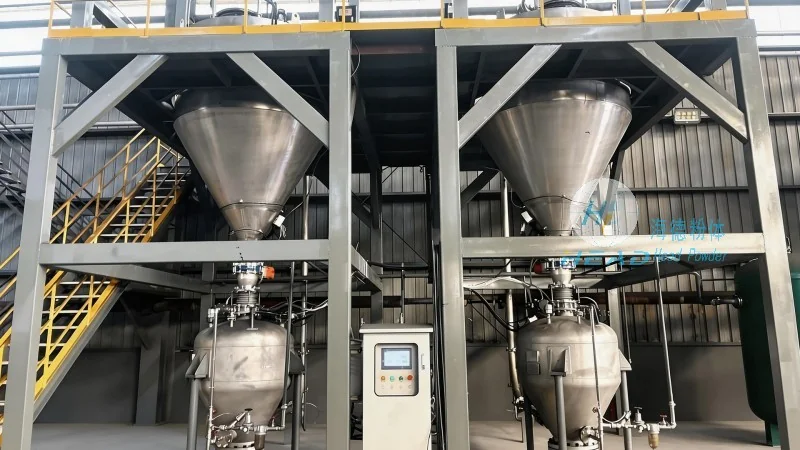
Design Principles for Wheat Bran Powder Pneumatic Conveying
The design of a pneumatic conveying system for wheat bran powder must consider several factors to ensure optimal performance. One of the most critical factors is the selection of the appropriate air velocity. The velocity must be high enough to keep the powder particles suspended in the air stream but not so high as to cause excessive wear on the system components or create excessive pressure drops. The system design also needs to account for the particle size distribution of the wheat bran. Larger particles may require higher air velocities or different pipe diameters to ensure proper flow. Additionally, the system must be designed to handle the moisture content of the wheat bran, as moisture can affect the flowability and cause caking or blockages. The use of appropriate materials for the pipes and components is also essential to prevent corrosion or degradation from the powder and moisture. The system's layout, including the number of bends and the length of the conveying line, also impacts the overall efficiency and pressure requirements. Proper design minimizes energy consumption and maximizes the conveying distance, making the system cost-effective and reliable.
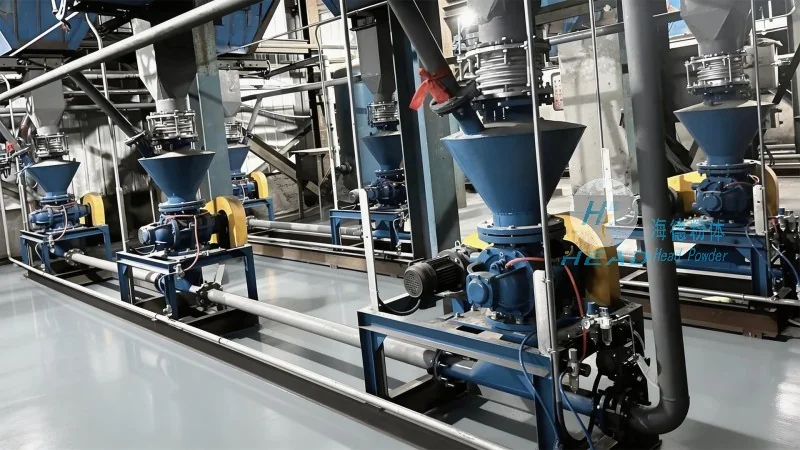
Advantages of Pneumatic Conveying for Wheat Bran Processing
Implementing pneumatic conveying for wheat bran powder offers several advantages over traditional mechanical conveying methods. One of the main benefits is the ability to handle the material in a closed system, which minimizes dust exposure and environmental contamination. This is particularly important for wheat bran, which can be a source of allergens and dust that affects air quality. Another advantage is the reduced risk of product contamination, as the system is enclosed and does not come into direct contact with the environment. Additionally, pneumatic conveying systems are generally more compact and can be integrated into existing processing lines with minimal disruption. The technology also allows for better control over the flow rate and pressure, enabling precise material handling and reducing the risk of overloading or underloading the system. Furthermore, the system can handle materials with varying properties, such as different moisture levels or particle sizes, without significant adjustments. This flexibility makes it suitable for diverse applications in the food, animal feed, and biofuel industries.