

What is Husk Powder Pneumatic Conveying? And What Are Its Design Principles?
Pneumatic conveying is a method of transporting bulk materials like husk powders through a pipeline using a moving air or gas stream. This technology offers several advantages over traditional methods, such as screw conveyors or belt conveyors, including reduced product contamination, lower maintenance requirements, and the ability to handle materials that are difficult to move mechanically. The process works by creating a pressure differential between the inlet and outlet of the conveyor line. In the case of a pressure system (also known as a positive pressure system), air is pumped into the conveyor line, pushing the husk powder forward. In contrast, a vacuum system (negative pressure system) uses a vacuum to draw the material into the line. For husk powders, which are typically dry and lightweight, a positive pressure system is often preferred due to its ability to handle larger quantities and maintain a consistent flow rate.
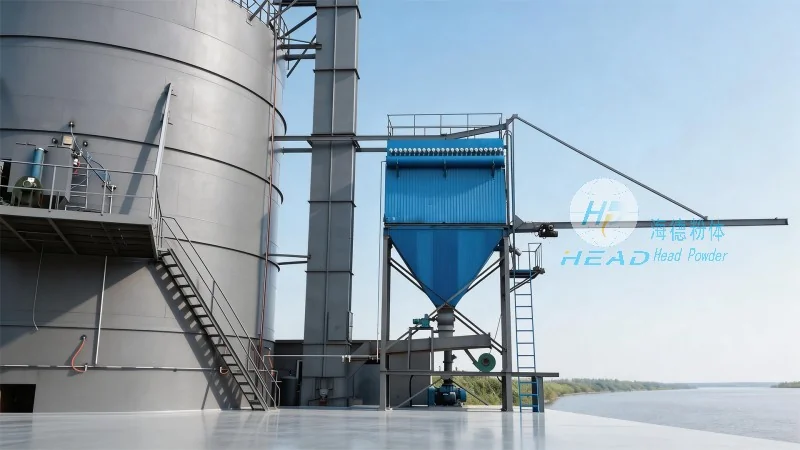
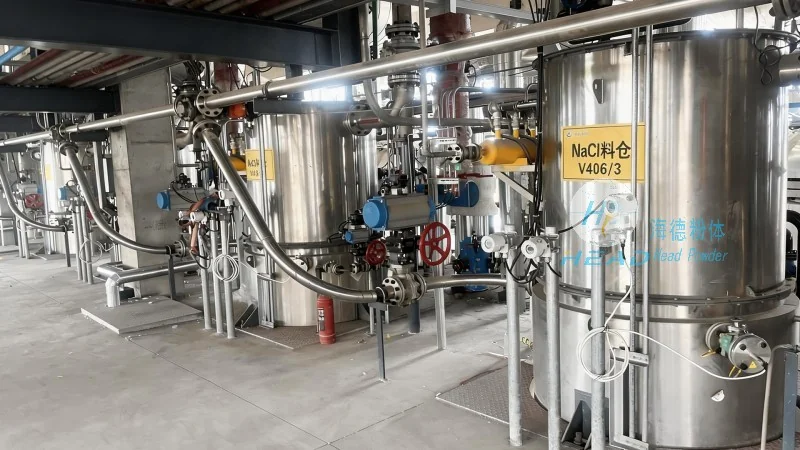
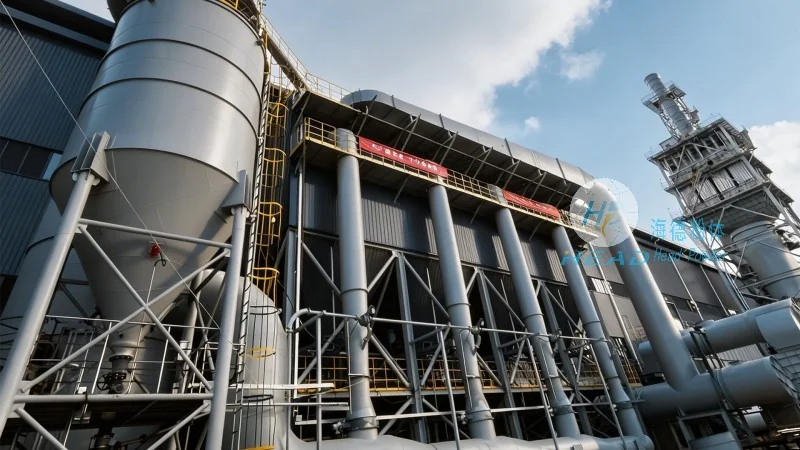
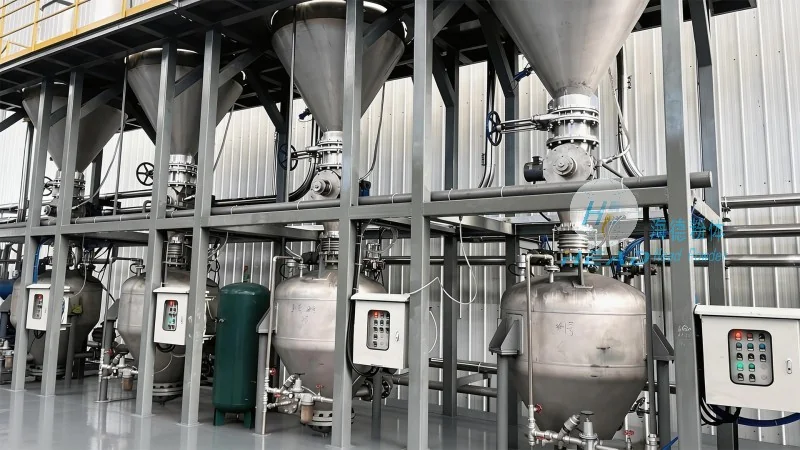
HeadPowder: Pioneering Pneumatic Conveying Solutions
HeadPowder Engineering Co., Ltd. is a reputable company based in Shandong, China, specializing in the design, manufacturing, and installation of pneumatic conveying systems. The company has built a strong reputation for delivering high-quality, reliable equipment tailored to the needs of the agricultural and food processing industries. HeadPowder’s team of experienced engineers and technicians work closely with clients to understand their specific requirements, whether it’s for handling large volumes of husk powders or integrating the system with existing production lines. The company’s commitment to innovation is evident in its use of advanced materials and design techniques, ensuring that its systems are durable, efficient, and cost-effective. With a focus on customer satisfaction and long-term partnerships, HeadPowder provides comprehensive support, including installation, training, and maintenance services, to ensure that clients can maximize the performance of their pneumatic conveying systems.
Design Principles for Efficient Husk Powder Pneumatic Conveying
The design of a pneumatic conveying system for husk powders involves several critical factors that must be carefully considered to ensure optimal performance. The first step is to analyze the physical properties of the husk powder, including its particle size distribution, bulk density, and moisture content. These properties directly impact the system’s design, as they determine the required air velocity, pressure, and pipeline dimensions. For example, smaller particles may require higher air velocities to prevent settling, while larger particles may need a larger pipeline diameter to avoid blockages. The system’s design also considers the flow rate and the distance the material needs to travel. The air supply system must be capable of providing the necessary pressure and volume to move the husk powder through the pipeline without excessive energy consumption. HeadPowder’s engineers use advanced computational fluid dynamics (CFD) simulations to model the flow of air and powder within the system, allowing them to optimize the design for maximum efficiency. This approach ensures that the system operates at the lowest possible pressure drop, reducing energy costs and extending the lifespan of the components. Additionally, the system must be designed with proper cleaning and maintenance in mind. Husk powders can be abrasive, and the system components, such as the hopper and pipeline, may require regular cleaning to prevent clogging and wear. HeadPowder incorporates features such as self-cleaning hoppers and easy-to-access maintenance points into its designs to minimize downtime and operational costs.