

What is White Clay Powder Pneumatic Conveying? And What Are Its Design Principles?
White clay powder pneumatic conveying is a specialized method used to transport white clay powders through a pipeline system using air or other gas as the conveying medium. This technology is widely adopted in industries such as paper manufacturing, chemical processing, and material handling due to its efficiency in handling fine powders like white clay. The process involves creating a pressure or vacuum difference within the pipeline to move the powder particles along with the gas stream, ensuring a reliable and continuous flow of the material. As a key component in material handling systems, understanding the principles and design of white clay powder pneumatic conveying is crucial for optimizing operational efficiency and minimizing downtime.
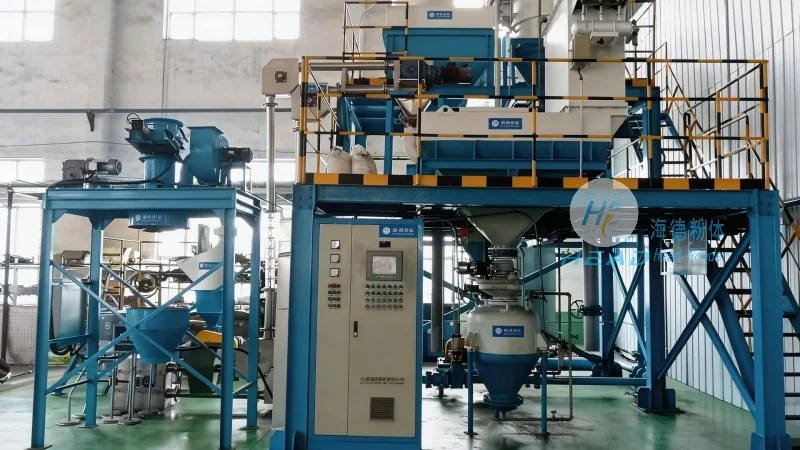
Overview of HeadPowder: Your Expert in Pneumatic Conveying Solutions
At Shandong HeadPowder Engineering Co., Ltd., commonly known as headpowder, we specialize in the design, manufacturing, and implementation of advanced pneumatic conveying systems tailored for various industrial applications. With our headquarters located in Shandong, China, our team of experienced engineers and technicians leverages decades of industry knowledge to deliver customized solutions that meet the unique requirements of our clients. Our commitment to quality, innovation, and customer satisfaction has established us as a trusted partner in the field of powder handling technology. We focus on providing reliable and efficient solutions for transporting white clay powders and other fine materials, ensuring that our systems are robust, durable, and easy to maintain.
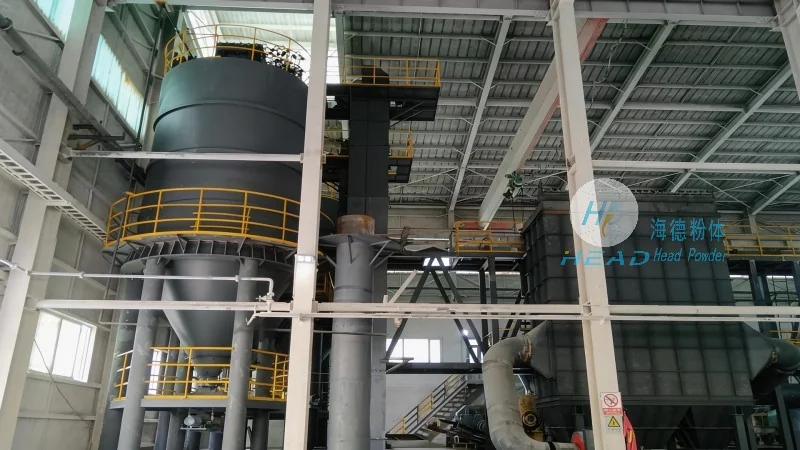
Key Components of a White Clay Powder Pneumatic Conveying System
A typical white clay powder pneumatic conveying system consists of several critical components that work in tandem to ensure effective material transport. The primary components include the material feed hopper, which holds the white clay powder and regulates the flow into the system; the air or gas source, which provides the necessary pressure or vacuum to move the powder; the conveying line, which is the pipeline through which the powder and gas travel; the separation and collection equipment, which separates the powder from the gas at the end of the line; and the control system, which monitors and adjusts the operation of the entire system. Each component plays a vital role in the overall performance and efficiency of the conveying process.
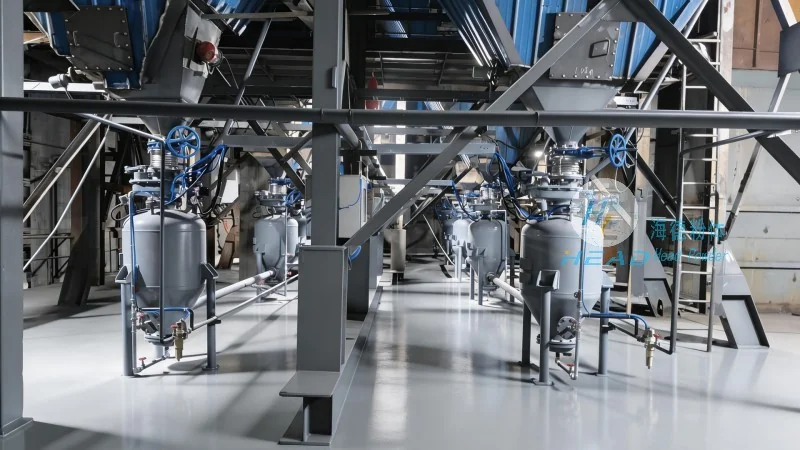
The Working Principle of White Clay Powder Pneumatic Conveying
The core principle of white clay powder pneumatic conveying is the use of air or gas to create a flow that carries the powder particles. In a pressure system, compressed air is introduced into the material feed hopper, creating a pressure higher than the ambient air pressure. This pressure forces the white clay powder into the conveying line, where it is mixed with the air stream and transported to the destination. In a vacuum system, a vacuum pump creates a lower pressure at the receiving end, drawing the powder and air mixture through the pipeline. The design of the system must consider factors such as the particle size, density, and moisture content of the white clay, as these properties affect the conveying velocity and pressure requirements. Additionally, the system must be designed to prevent clogging, which can occur due to the fine nature of white clay particles.
Design Principles for White Clay Powder Pneumatic Conveying Systems
Designing an effective white clay powder pneumatic conveying system involves careful consideration of several key principles to ensure optimal performance and reliability. The first principle is the selection of the appropriate conveying type, either pressure or vacuum, based on the specific application and material characteristics. Pressure systems are generally more suitable for long-distance or high-volume conveying, while vacuum systems are better for short-distance or low-volume applications. The second principle is the determination of the conveying velocity, which is the speed at which the powder and gas mixture travels through the pipeline. The velocity must be high enough to prevent particle settlement but low enough to avoid excessive wear on the pipeline and equipment. The third principle is the consideration of the system's pressure drop, which is the reduction in pressure as the mixture travels through the pipeline. Proper design of the components, such as the feed hopper and conveying line, is essential to minimize pressure drop and ensure efficient operation. Finally, the design must include provisions for material handling and maintenance, such as access points for cleaning and inspection, to ensure the system remains in good working condition over time.
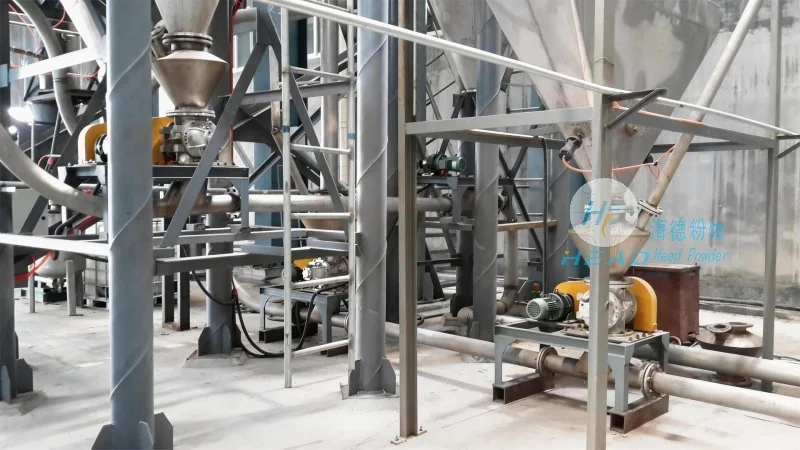
Benefits of Using White Clay Powder Pneumatic Conveying
Implementing a white clay powder pneumatic conveying system offers numerous benefits for industrial operations. One of the primary advantages is the ability to transport fine powders like white clay without the need for mechanical components such as belts or buckets, which can be prone to wear and maintenance issues. This results in lower operational costs and reduced downtime. Additionally, pneumatic conveying systems are highly flexible, allowing for changes in the material flow rate or destination without significant modifications to the system. The technology also provides a closed system, which helps to prevent dust emissions and maintain a clean working environment, which is crucial for industries such as paper manufacturing where dust control is essential. Furthermore, the system can be integrated with other processes, such as drying or mixing, to create a more comprehensive material handling solution. Overall, white clay powder pneumatic conveying is a reliable and efficient method for transporting white clay powders, offering significant advantages over traditional mechanical conveying methods.