

What Are Intelligent Material Handling Equipment? And What Are Their Design Principles?
Intelligent material handling equipment has become a cornerstone in modern industrial operations, streamlining processes and enhancing efficiency across various sectors. These advanced systems are designed to automate the movement, storage, and management of materials, reducing human intervention and minimizing errors. As industries evolve, the demand for such equipment has grown significantly, leading to innovations in design and functionality. The integration of automation, sensors, and software enables these systems to adapt to changing operational demands, providing a comprehensive solution for material flow management.
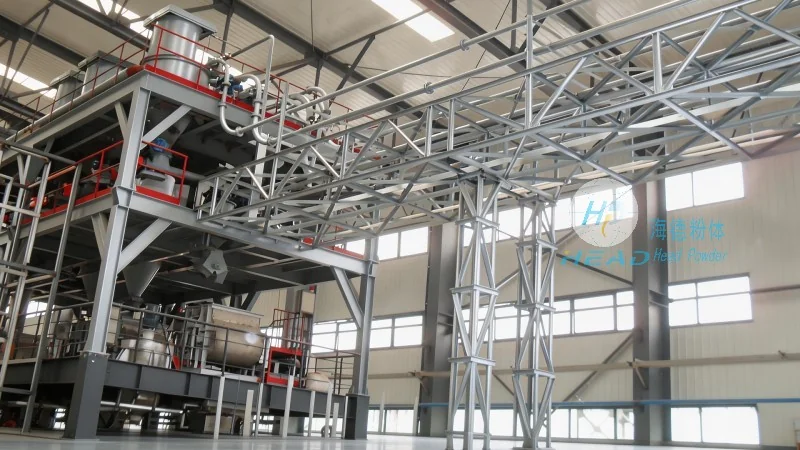
Core Design Principles and Key Components
The design of intelligent material handling equipment is built on a foundation of adaptability, reliability, and energy efficiency. These systems utilize modular components that can be customized to meet specific industrial requirements. Key components typically include conveyor systems, robotic arms, automated storage and retrieval systems (AS/RS), and advanced control software. Sensors such as cameras, laser scanners, and proximity detectors provide real-time data on material position and status. The control system, often based on programmable logic controllers (PLCs) or industrial computers, processes this data to coordinate material movement. Additionally, the incorporation of artificial intelligence and machine learning algorithms allows the equipment to learn from operational patterns, optimizing performance over time. For example, a conveyor system may adjust its speed based on material volume, while an AS/RS can predict maintenance needs from usage data.
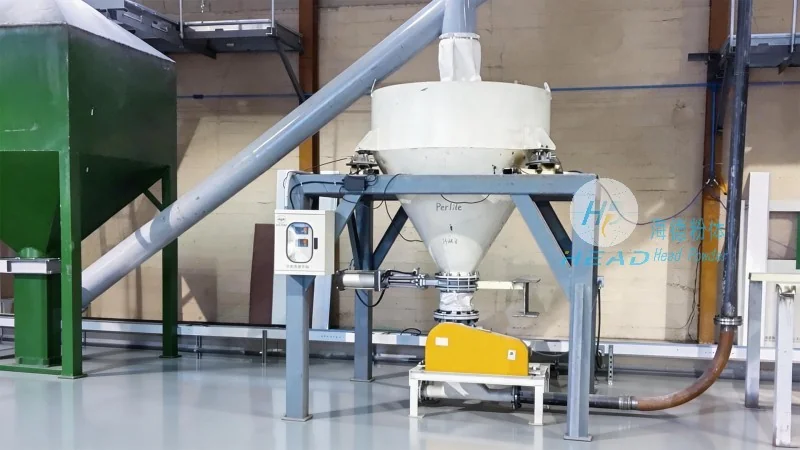
Applications and Benefits in Industrial Settings
Intelligent material handling equipment is widely utilized in manufacturing, logistics, and warehousing environments. In manufacturing plants, these systems facilitate the seamless transfer of raw materials to production lines and the movement of finished products to storage or shipping areas. This automation reduces labor costs and improves production throughput. In logistics and distribution centers, automated conveyor networks and robotic picking systems enhance order fulfillment speed and accuracy. The benefits extend beyond efficiency; these systems also improve workplace safety by minimizing manual handling of heavy or hazardous materials. Furthermore, the integration of IoT (Internet of Things) technologies enables remote monitoring and predictive maintenance, reducing unexpected breakdowns and maintenance costs. For instance, a facility can receive alerts about an impending conveyor belt failure, allowing for proactive maintenance and minimizing production disruptions.
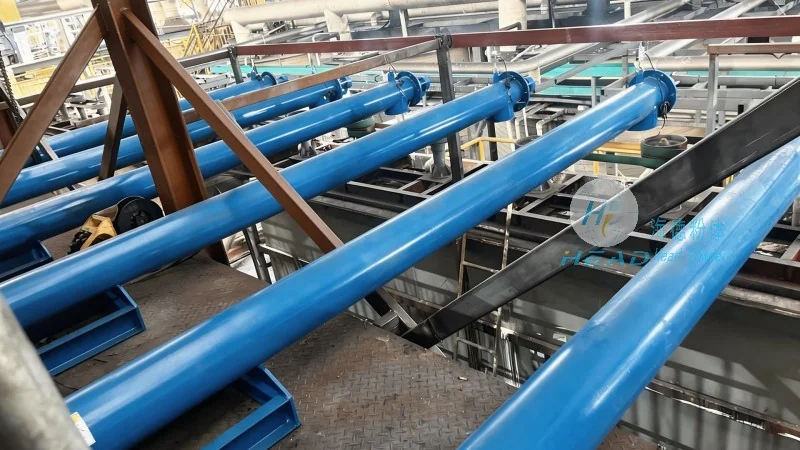
About Shandong HeadPowder Engineering Co., Ltd.
Shandong HeadPowder Engineering Co., Ltd., commonly known as HeadPowder, is a leading provider of intelligent material handling solutions. With a focus on innovation and customer-centric design, the company specializes in developing customized equipment tailored to specific industrial needs. HeadPowder's expertise lies in integrating advanced technologies such as artificial intelligence, machine learning, and IoT to create intelligent systems that adapt to changing operational demands. The company's headquarters is located in Shandong, China, where it leverages local manufacturing capabilities and technical expertise to deliver high-quality products. By prioritizing quality, reliability, and customer satisfaction, HeadPowder has established itself as a trusted partner in the material handling industry. The company's product line includes a range of intelligent material handling systems, from basic conveyor solutions to complex automated storage and retrieval systems, all designed to enhance operational efficiency and support business growth.