

Introduction to Silicate Powder Pneumatic Conveying and the Working Principle of Pneumatic Conveying
HeadPowder, a leading provider in the field of powder handling technology, specializes in the design, manufacturing, and implementation of advanced pneumatic conveying systems. With a strong presence in Shandong, China, the company has established itself as a trusted partner for industries requiring efficient and reliable material transport solutions. This article provides an overview of silicate powder pneumatic conveying systems, detailing their working principles and the key benefits they offer to various sectors.
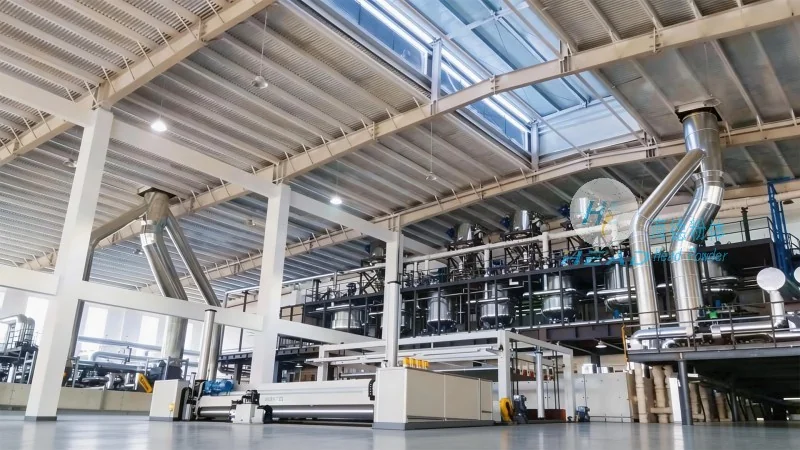
Understanding Pneumatic Conveying Systems
Pneumatic conveying systems are engineered to transport bulk materials, such as powders and granules, using a combination of air and pressure or vacuum. These systems are widely adopted across industries due to their flexibility, efficiency, and ability to handle a broad range of materials, including delicate and abrasive powders like silicates. The core components of a typical pneumatic conveying system include a material feed hopper, a conveying line (often equipped with bends and filters), a control valve, and a discharge point. The system operates by creating a flow of air within the pipeline, which propels the material from the source to the destination.
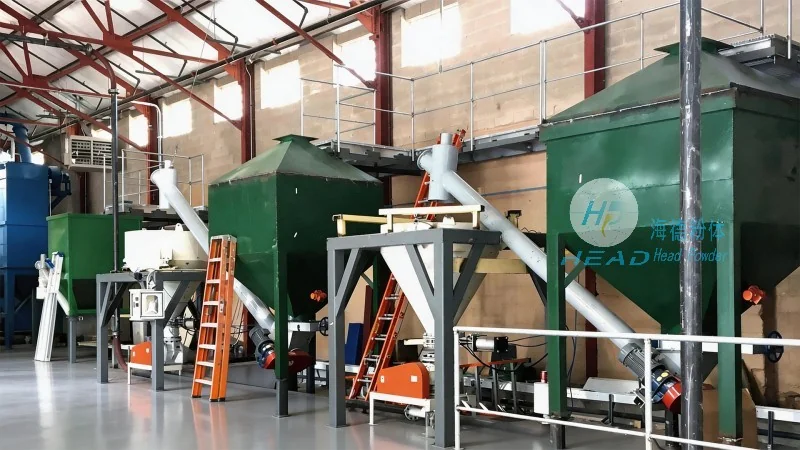
The Working Principle of Silicate Powder Pneumatic Conveying
For silicate powders, which are commonly used in applications like ceramics, glass, and construction materials, the pneumatic conveying process involves several critical steps. First, the silicate powder is fed into the system through a hopper equipped with a feeder, ensuring a consistent and controlled flow. The feeder then transfers the material into the conveying line under controlled pressure or vacuum. As the air moves through the pipeline, it creates a drag force that lifts and transports the powder particles. The system's design, including the choice of air velocity and pipeline diameter, is crucial for maintaining the material's integrity and preventing clogging or degradation. Advanced systems may incorporate features like pulse-jet filters to ensure clean air and prevent dust accumulation, which is essential for maintaining product quality and system efficiency.
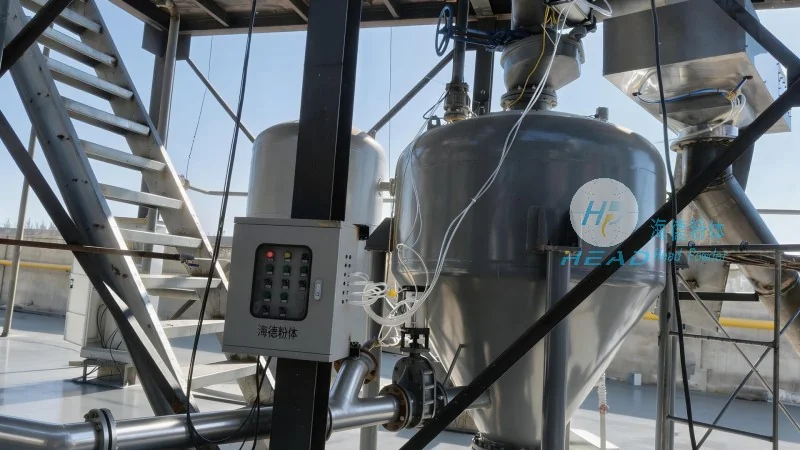
Key Advantages of Pneumatic Conveying for Silicate Powders
Implementing pneumatic conveying systems for silicate powders offers numerous advantages that enhance operational efficiency and product quality. One of the primary benefits is the ability to transport materials over long distances without the need for intermediate storage or handling. This reduces the risk of contamination and minimizes material loss during transfer. Additionally, pneumatic systems provide a closed-loop operation, which is critical for controlling dust emissions and maintaining a safe working environment. The flexibility of these systems allows for easy integration with existing production lines, and they can be adapted to handle varying material flow rates and particle sizes. Another significant advantage is the reduced need for mechanical components like conveyors or elevators, which can be prone to wear and maintenance issues. By leveraging the power of air, pneumatic conveying systems offer a more reliable and cost-effective solution for handling silicate powders, especially in applications where material purity and process consistency are paramount.
Applications and Industry Impact
Silicate powder pneumatic conveying systems are integral to several industries, including the ceramics and glass manufacturing sectors, where high-purity materials are essential for producing quality products. In the construction industry, these systems are used to transport raw materials like silica sand and cement, contributing to efficient production processes. The automotive and aerospace industries also benefit from the precise control and low contamination levels offered by pneumatic conveying, particularly when handling fine powders used in composite materials. By ensuring consistent material flow and maintaining product integrity, these systems help manufacturers achieve higher productivity and meet stringent quality standards. The adoption of advanced pneumatic conveying technology has become a standard practice for companies seeking to optimize their material handling processes and enhance overall operational performance.
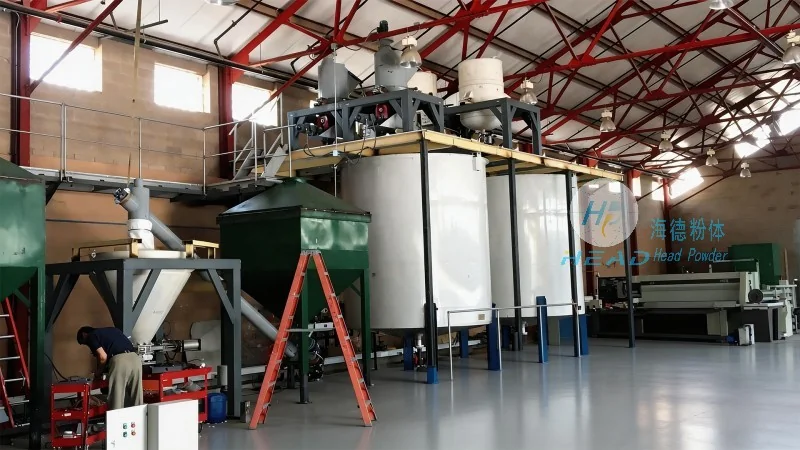
Conclusion and Company Expertise
HeadPowder Engineering Co., Ltd., based in Shandong, China, continues to lead the way in developing innovative pneumatic conveying solutions tailored to the unique needs of silicate powder applications. With a deep understanding of material behavior and system dynamics, the company provides customized solutions that address the specific challenges faced by each client. By combining advanced engineering, rigorous testing, and comprehensive after-sales support, HeadPowder ensures that its pneumatic conveying systems deliver reliable performance and long-term value. As industries increasingly prioritize efficiency, safety, and product quality, the role of advanced material handling technologies like pneumatic conveying becomes more critical. HeadPowder's commitment to excellence and customer satisfaction positions it as a key player in meeting the evolving demands of the powder handling market.