

What is Sugar Bulk Material Pneumatic Conveying? An Introduction to the Working Principle of Powder
For industries dealing with bulk materials like sugar, efficient and reliable material handling is crucial. Pneumatic conveying, also known as air conveying, offers a versatile solution for transporting dry powders and granules, including sugar, from one location to another. This method uses a stream of pressurized or vacuum air to move the material through a pipeline system. The technology is widely adopted in sectors such as food processing, pharmaceuticals, and chemical manufacturing due to its ability to handle delicate materials without damage and maintain hygiene standards.
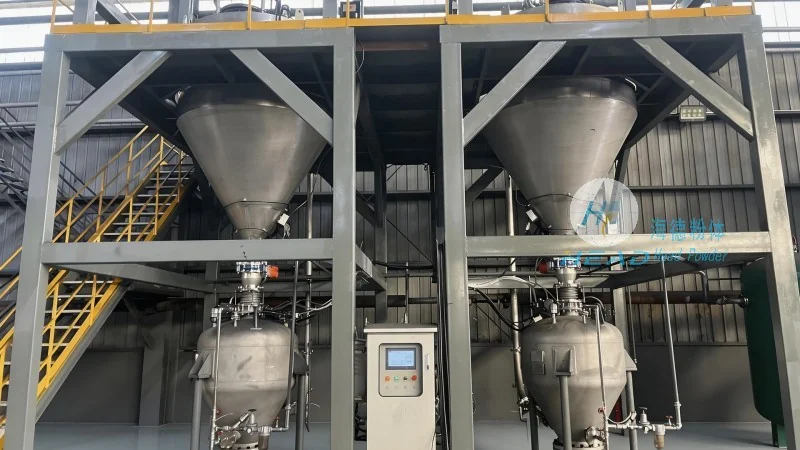
How Pneumatic Conveying Systems Work: A Step-by-Step Overview
The operation of a pneumatic conveying system for sugar involves several key components and processes. At its core, the system consists of a source of air (either a blower or a vacuum pump), a hopper or storage bin where the sugar is loaded, a pipeline network to transport the material, and a discharge point where the sugar is released. The process typically begins with the sugar being fed into the hopper. An air stream is then introduced into the system, either by pressurizing the air to push the material forward or by creating a vacuum to pull it through the pipeline. The air and sugar mixture travels through the pipeline, with the air providing the necessary force to move the material. The system may include components like filters, cyclones, or separators to separate the air from the sugar at the discharge point, ensuring that the material is delivered in a clean and controlled manner.
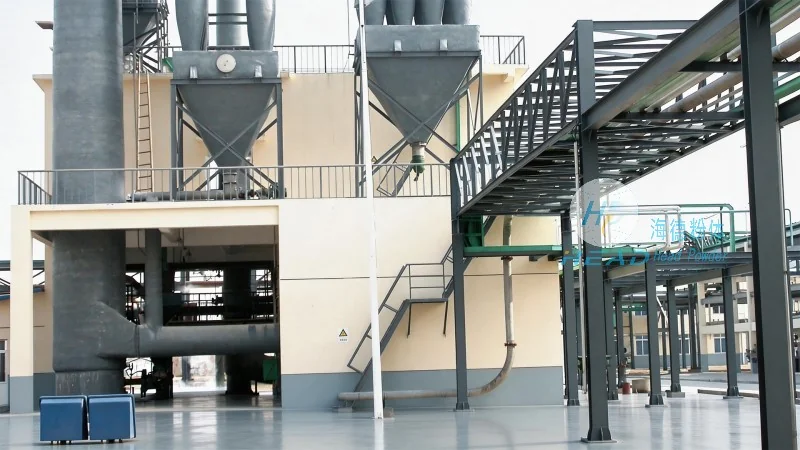
Key Components of a Sugar Pneumatic Conveying System
Several critical components work together to ensure the smooth operation of a pneumatic conveying system for sugar. The first is the air source, which can be a positive displacement blower or a rotary lobe blower, depending on the system's requirements. These devices generate the necessary air pressure or vacuum to move the material. The hopper or storage bin is another essential component, as it holds the sugar and provides a consistent feed to the system. The pipeline network, made of materials like stainless steel or plastic, is designed to withstand the pressure and temperature of the conveying process and prevent material buildup or leakage. Additionally, the system may include a filter or cyclone to separate the air from the sugar, ensuring that the material is delivered in a clean state. The discharge point, such as a silo or a processing unit, is where the sugar is released for further use. Each component plays a vital role in maintaining the efficiency and reliability of the system.
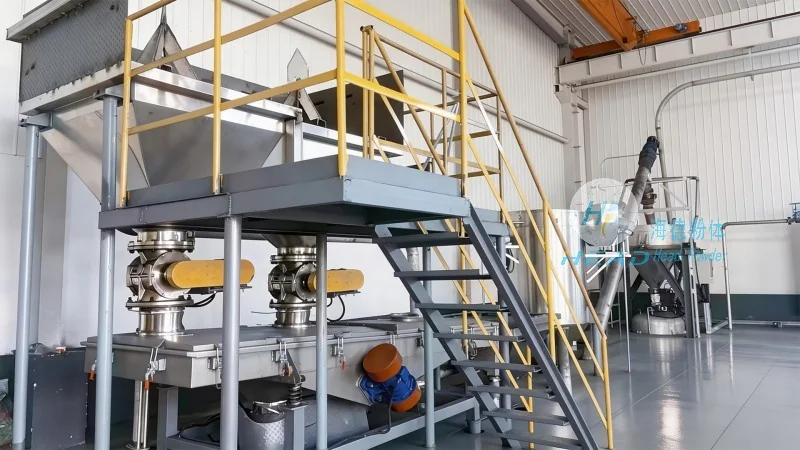
Benefits of Using Pneumatic Conveying for Sugar Transport
Implementing a pneumatic conveying system for sugar offers numerous advantages over traditional methods like belt conveyors or bucket elevators. One of the primary benefits is the ability to handle delicate materials without causing damage or degradation. The air stream in the system minimizes friction and impact, preserving the quality and integrity of the sugar. Another advantage is the hygienic nature of the system, which is particularly important in the food industry. The enclosed pipeline system prevents contamination from external sources and maintains a clean environment. Additionally, pneumatic conveying systems are flexible and can be easily integrated into existing production lines. They can transport sugar over long distances and through multiple points of discharge, providing greater operational flexibility. The system also reduces labor costs and maintenance requirements compared to traditional methods, as it eliminates the need for manual handling and frequent cleaning of equipment. Companies like Shandong HeadPowder Engineering Co., Ltd. specialize in designing and manufacturing customized pneumatic conveying systems tailored to the specific needs of sugar handling operations, ensuring optimal performance and reliability.
Applications of Sugar Pneumatic Conveying Systems
Pneumatic conveying systems are widely used in various applications involving sugar transport. In the food processing industry, these systems are commonly used to move sugar from storage silos to processing lines, such as those used for making confectionery products or beverages. The systems can also be used to transport sugar between different stages of production, such as from a mixing area to a packaging unit. In the pharmaceutical industry, pneumatic conveying is used to transport sugar as an excipient in drug formulations, ensuring that the material is handled in a sterile and controlled environment. Additionally, the systems are used in chemical manufacturing to transport sugar-based products or intermediates, where precise control over the material's movement is critical. The versatility of pneumatic conveying systems makes them suitable for a wide range of applications, from small-scale operations to large industrial facilities.
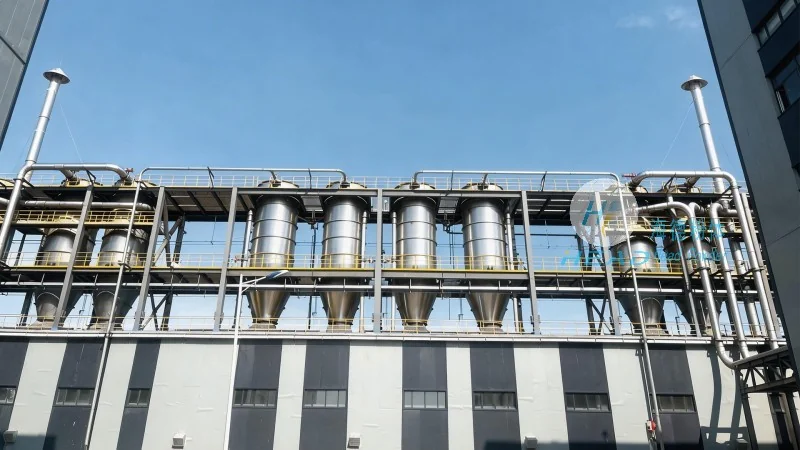
Choosing the Right Pneumatic Conveying System for Sugar Handling
When selecting a pneumatic conveying system for sugar handling, several factors must be considered to ensure optimal performance and efficiency. The first is the type of system, which can be either pressure or vacuum-based. Pressure systems use a blower to push the material forward, while vacuum systems use a vacuum pump to pull the material through the pipeline. The choice between the two depends on the distance and elevation changes involved in the transport. The second factor is the material characteristics of the sugar, such as its particle size, moisture content, and flowability. These factors affect the system's design and components, as different materials may require different air velocities and pipeline diameters. The third factor is the system's capacity and throughput, which must match the production requirements of the facility. Additionally, the system's maintenance requirements and cost must be considered, as these factors impact the long-term operational efficiency. By carefully evaluating these factors, companies can select the most suitable pneumatic conveying system for their sugar handling needs.