Principle and Working Scene Characteristics of Flaky Graphite Powder Material Pneumatic Conveying Sy
Release time:2026-09-19 23:01:34
name of the company:Shandong Headpowder Engineering Co., Ltd.
telephone:156-6277-7102
contacts:Zhang manager
Flaky graphite powder, a key material in various industrial applications, often requires efficient and reliable transportation methods to ensure smooth production processes. The pneumatic conveying system, particularly designed for handling such fine powders, offers a solution that combines efficiency with operational safety. This article delves into the principles and working characteristics of a flaky graphite powder material pneumatic conveying system, highlighting its applications and the technical aspects that make it a preferred choice in the industry.
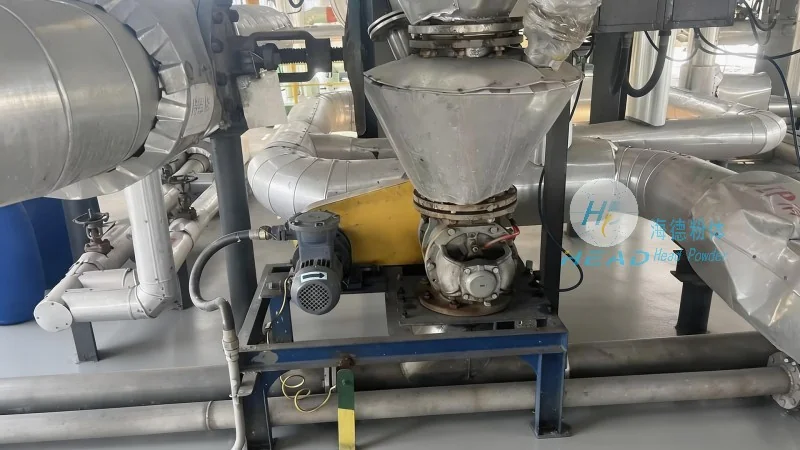
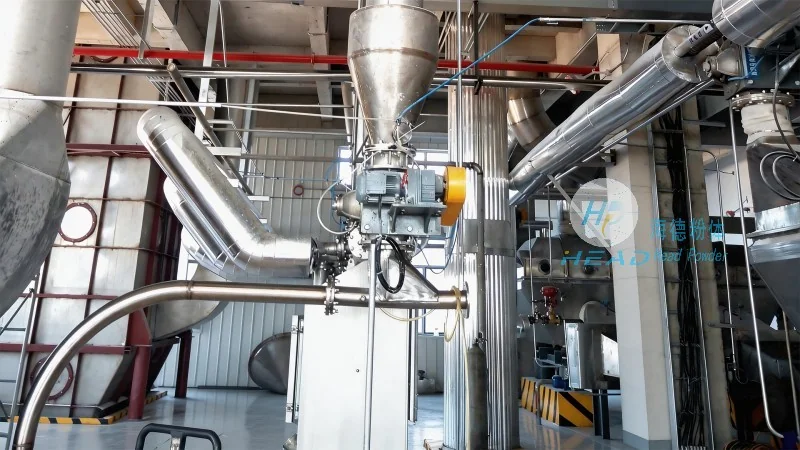
Principle of the Flaky Graphite Powder Pneumatic Conveying System
The core of a pneumatic conveying system lies in the use of air as the conveying medium to transport solid particles. For flaky graphite powder, which is characterized by its fine particle size and high specific surface area, a well-designed system must address challenges such as particle agglomeration, dust generation, and material degradation. The system typically operates on the principle of creating a pressure differential between the conveying line and the ambient environment. By injecting air into the material hopper or feeder, the system generates a flow that lifts and transports the graphite powder through the pipeline to the destination. This process can be categorized into two main types: pressure and vacuum systems. Pressure systems use compressed air to push the material, while vacuum systems use a vacuum to pull the material. For flaky graphite powder, a combination of both or a pressure system is often preferred due to the material's sensitivity to pressure changes and the need for consistent flow rates.
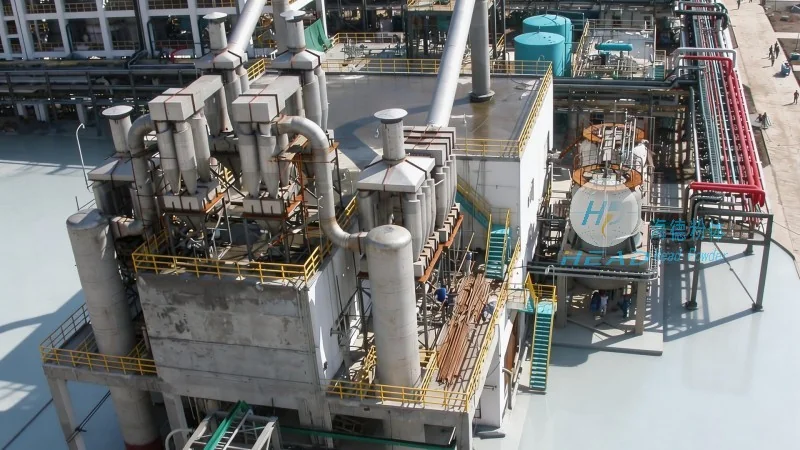
Working Scene Characteristics of the System
The working scene characteristics of a flaky graphite powder pneumatic conveying system are tailored to the specific requirements of industrial environments where such powders are processed. These characteristics include: 1. High Efficiency and Low Maintenance: The system is designed to minimize downtime and maintenance costs, ensuring continuous operation. The use of robust materials for the pipeline and components reduces wear and tear, extending the system's lifespan. 2. Environmental Safety: Pneumatic conveying systems are inherently dust-free compared to traditional methods like bucket elevators or belt conveyors. This reduces the risk of dust explosions and improves workplace safety. The system also helps in controlling dust emissions, complying with environmental regulations. 3. Flexibility in Layout: The system can be configured to fit various plant layouts, allowing for flexible placement of feeders, hoppers, and discharge points. This adaptability is crucial in facilities where space is limited or where the production line needs to be reconfigured. 4. Material Handling Capabilities: The system is capable of handling a wide range of particle sizes and moisture content in flaky graphite powder. It can transport materials over long distances without significant degradation, maintaining the quality of the graphite powder. 5. Energy Efficiency: Modern pneumatic conveying systems are designed to be energy-efficient, using optimized air flow rates and pressure levels to reduce energy consumption. This not only lowers operational costs but also contributes to sustainability goals.
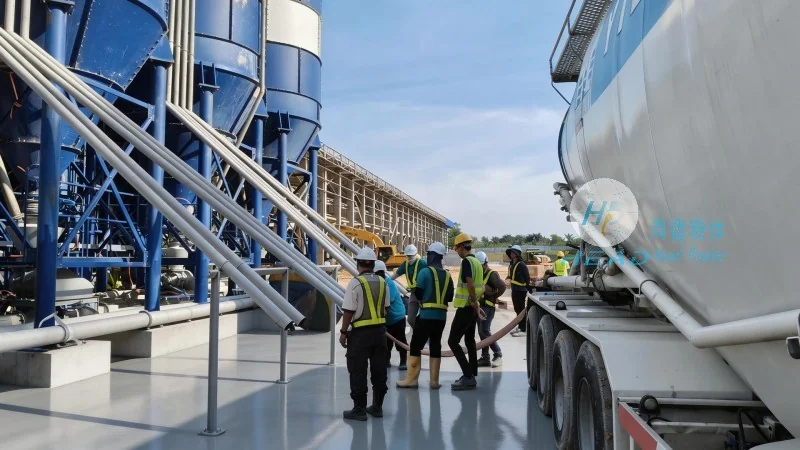
About Shandong HeadPowder Engineering Co., Ltd.
Shandong HeadPowder Engineering Co., Ltd., commonly known as HeadPowder, is a leading provider of specialized engineering solutions for material handling systems, particularly in the processing of fine powders like flaky graphite. With a strong focus on innovation and customer-centric design, HeadPowder has established itself as a trusted partner in the industry. The company's headquarters is located in Shandong, China, where it leverages advanced technology and expertise to develop and manufacture high-quality pneumatic conveying systems tailored to the unique needs of its clients. HeadPowder's commitment to quality, reliability, and sustainability has made it a preferred choice for businesses seeking efficient and safe material handling solutions.




