HeadPowder, a leading engineering company based in Shandong, China, specializes in the design and implementation of advanced material handling solutions. This article focuses on the sodium hypochlorite material pneumatic conveying system, exploring its fundamental principles and the specific operational scenarios where it excels.
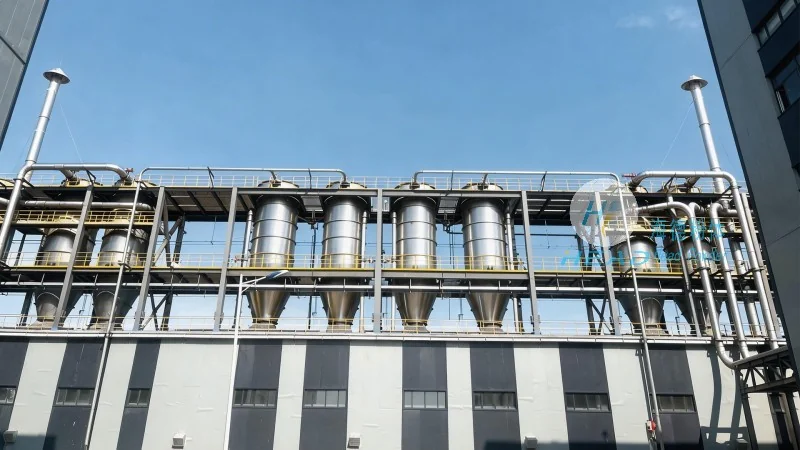
Overview of the Sodium Hypochlorite Pneumatic Conveying System
The sodium hypochlorite material pneumatic conveying system is a sophisticated technology used for the efficient transport of sodium hypochlorite, a widely used chemical in water treatment, disinfection, and industrial processes. This system leverages the principles of pneumatic conveying to move the material from its source to the destination without the need for mechanical components like conveyor belts or buckets, offering a hygienic, low-maintenance, and flexible solution for handling this corrosive and potentially hazardous chemical.
Working Principle of the Pneumatic Conveying System
The core of the system operates on the principle of creating a pressure differential between the material feed point and the discharge point. Air is introduced into the system, typically through a blower or compressor, which generates a flow of air within the conveying pipeline. As the air flows, it entrains the sodium hypochlorite particles, forming a slurry or a dense phase flow that moves through the pipeline. The system can operate in either dilute phase or dense phase modes, depending on the material characteristics and the required conveying distance. In dilute phase conveying, the material is carried as individual particles suspended in the air stream, while in dense phase conveying, the material is transported in a more concentrated form, often with a higher air-to-material ratio, which is suitable for longer distances or more sensitive materials.
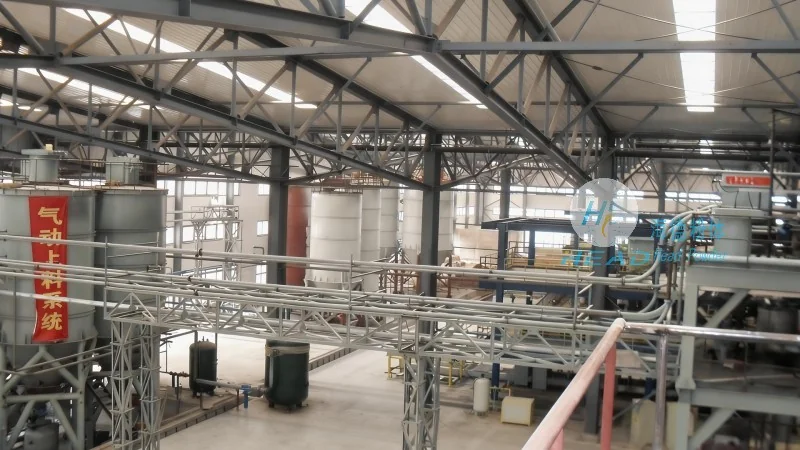
Key Components and Their Functions
The sodium hypochlorite pneumatic conveying system consists of several critical components that work in tandem to ensure efficient operation. These include the material feed hopper, which holds the sodium hypochlorite and allows for controlled discharge; the air supply system, which provides the necessary pressure and volume of air; the conveying pipeline, which transports the material and air mixture; the control valves and regulators, which manage the flow and pressure; and the discharge hopper or tank, where the material is collected. Each component is designed to withstand the corrosive nature of sodium hypochlorite and to maintain the integrity of the material during transport.
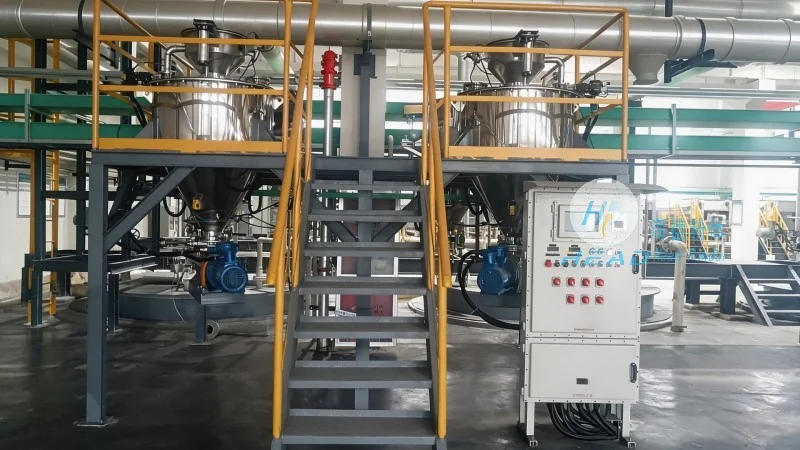
Working Scene Characteristics and Applications
The sodium hypochlorite material pneumatic conveying system is particularly well-suited for industrial and commercial applications where the safe and efficient handling of sodium hypochlorite is essential. Some common working scene characteristics include:
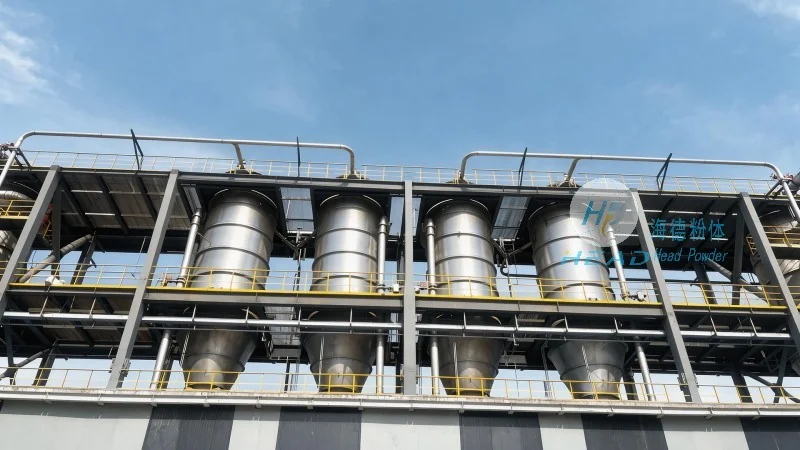
- Water Treatment Facilities: In municipal and industrial water treatment plants, the system is used to transport sodium hypochlorite from storage tanks to dosing points, ensuring a consistent and controlled addition of disinfectant to the water supply.
- Disinfection and Sanitation Industries: For companies involved in the production of disinfectants and sanitizers, the system provides a reliable method for moving sodium hypochlorite between production stages, such as from mixing tanks to packaging lines.
- Industrial Cleaning and Sanitation: In facilities that use sodium hypochlorite for cleaning and sanitizing equipment or surfaces, the pneumatic conveying system allows for the safe and hygienic transport of the chemical from storage to the point of use.
- Chemical Manufacturing Plants: In chemical production facilities, the system can be integrated into the process to transport sodium hypochlorite as an intermediate or final product, ensuring a seamless flow within the manufacturing line.
Advantages of the System in Different Working Scenarios
The sodium hypochlorite material pneumatic conveying system offers several advantages that make it an ideal choice for various working scenarios. These include:
- Hygienic and Clean Operation: The system is designed to minimize contamination and maintain the purity of the sodium hypochlorite, which is crucial in applications like water treatment and food processing.
- Low Maintenance and Long Lifespan: By eliminating mechanical components like belts and rollers, the system reduces the need for frequent maintenance and extends the operational life of the equipment.
- Flexibility and Scalability: The system can be easily adapted to different conveying distances and material flow rates, making it suitable for both small-scale and large-scale operations.
- Energy Efficiency: Compared to traditional mechanical conveying systems, the pneumatic system can be more energy-efficient, especially for longer distances or when transporting materials with high moisture content.
- Safety and Reliability: The system is equipped with safety features such as pressure relief valves and air filtration systems to prevent leaks and ensure the safe handling of the chemical.
Conclusion
HeadPowder Engineering Co., Ltd., with its headquarters in Shandong, China, provides comprehensive solutions for sodium hypochlorite material pneumatic conveying systems. By understanding the fundamental principles and working scene characteristics of this technology, industries can enhance their operational efficiency, ensure the safety of their personnel, and maintain the quality of their products. The system's adaptability and reliability make it a valuable asset in various industrial applications, contributing to the sustainable and effective handling of sodium hypochlorite.




