

Role of Pneumatic Conveying in Sulfur Powder Handling
Efficient and reliable material handling is a critical concern for industries dealing with bulk powders, particularly those with unique physical properties like sulfur powder. Sulfur powder, known for its fine texture and potential for agglomeration, requires specialized transport methods to ensure safety, efficiency, and minimal product degradation. This is where pneumatic conveying systems emerge as a highly effective solution, offering a range of benefits tailored to the challenges of sulfur powder handling.
Understanding the Challenges of Sulfur Powder Handling
Sulfur powder, often used in industrial applications such as chemical processing, fertilizer production, and pharmaceuticals, presents specific handling challenges. Its fine particle size can lead to dust generation, which poses health and safety risks. Additionally, sulfur powder may tend to stick to surfaces or form lumps, complicating storage and transportation. Traditional methods like belt conveyors or bucket elevators may struggle with these issues, leading to inefficiencies and increased operational costs. Pneumatic conveying addresses these challenges by using air to transport the material, reducing direct contact and minimizing the risk of contamination or degradation.
Pneumatic Conveying Systems: How They Work
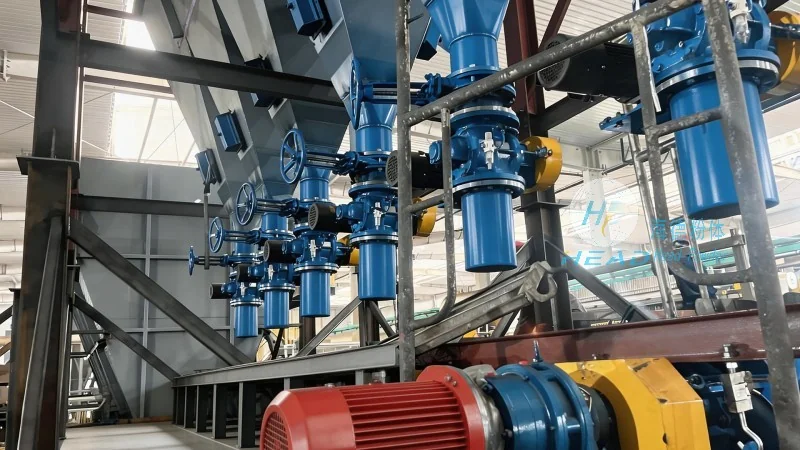
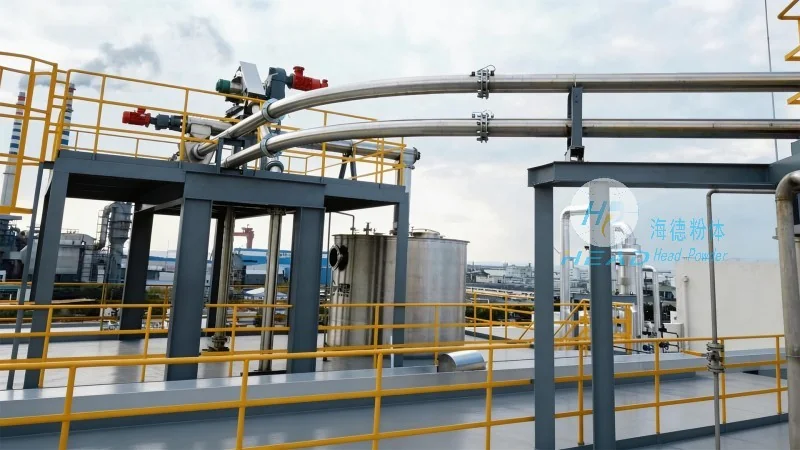
Pneumatic conveying systems operate by transporting bulk materials through a pipeline using air pressure. There are two primary types: pressure and vacuum systems. Pressure systems use compressed air to push the material forward, while vacuum systems use a vacuum to draw the material into the pipeline. For sulfur powder, a pressure system is often preferred due to its ability to handle higher material loads and maintain consistent flow rates. The system typically includes a hopper for material storage, a conveyor line, and a control system to regulate air pressure and flow. The air is introduced at the inlet, creating a flow that carries the sulfur powder through the pipeline to the discharge point. This method ensures that the material is transported smoothly without the need for mechanical components that could cause wear or contamination.
Benefits of Pneumatic Conveying for Sulfur Powder
Implementing pneumatic conveying for sulfur powder handling offers numerous advantages. First, it significantly reduces the risk of dust exposure, improving workplace safety and compliance with environmental regulations. The enclosed system prevents dust from escaping into the environment, protecting both personnel and the surrounding area. Second, pneumatic conveying minimizes product degradation by reducing friction and mechanical stress on the particles. Unlike mechanical conveyors that may cause abrasion or breakage, the air flow in a pneumatic system is gentle, preserving the integrity of the sulfur powder. Third, the system enhances operational efficiency by allowing for continuous, unattended operation. Once set up, the pneumatic conveyor can run for extended periods without the need for frequent maintenance or adjustments, leading to lower labor costs and higher throughput. Additionally, the flexibility of pneumatic systems allows for easy integration with existing production lines, enabling seamless material transfer from storage to processing or packaging areas.
HeadPowder's Expertise in Pneumatic Conveying Solutions
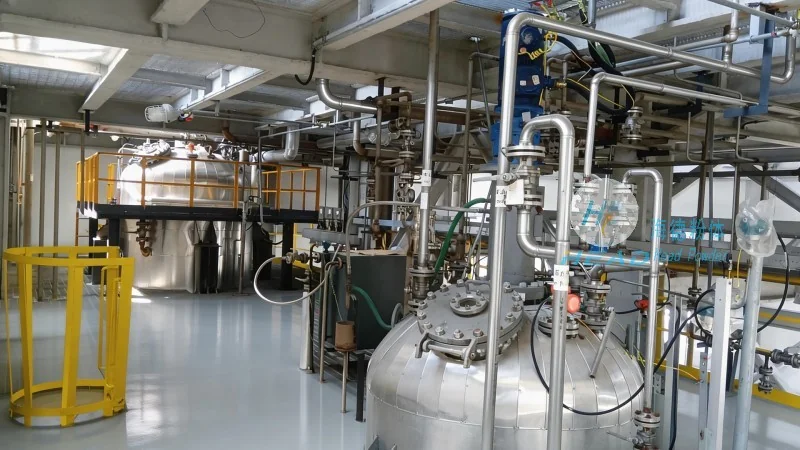
Shandong HeadPowder Engineering Co., Ltd., commonly known as HeadPowder, is a leading provider of customized pneumatic conveying solutions tailored to the specific needs of industries handling sulfur powder and other bulk materials. With a focus on innovation and customer satisfaction, HeadPowder leverages advanced engineering and manufacturing capabilities to design and implement efficient systems that meet the unique challenges of each application. The company's expertise lies in understanding the material properties of sulfur powder and selecting the most appropriate pneumatic conveying technology to ensure optimal performance. HeadPowder's team of engineers works closely with clients to assess their operational requirements, material characteristics, and space constraints, developing customized solutions that enhance productivity and reduce costs. The company's commitment to quality and reliability is reflected in its use of high-grade materials and rigorous testing protocols, ensuring that each pneumatic conveying system meets the highest standards of performance and safety.
Applications and Case Studies
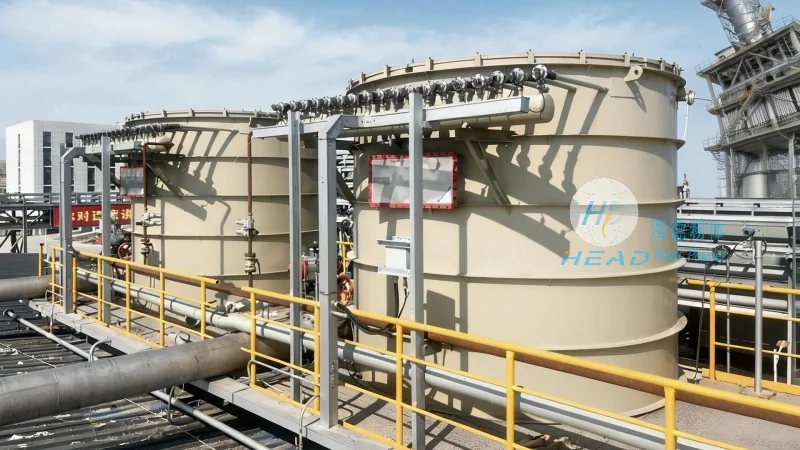
Pneumatic conveying systems developed by HeadPowder have been successfully implemented in various industrial applications involving sulfur powder. For example, in a chemical processing plant, the company designed a pressure pneumatic system to transport sulfur powder from storage silos to a reaction vessel. The system was engineered to handle high volumes of material while maintaining a consistent flow rate, ensuring smooth operation of the production line. The enclosed design of the system effectively controlled dust emissions, meeting the plant's environmental compliance requirements. Another application involved a fertilizer manufacturer who needed to transport sulfur powder to a blending facility. HeadPowder's solution included a combination of pressure and vacuum conveying to handle both the initial transport from storage and the final transfer to the blending equipment. The system's flexibility allowed for efficient material handling across different stages of the production process, resulting in improved overall efficiency and reduced downtime.
Conclusion: The Future of Sulfur Powder Handling
As industries continue to seek more efficient and sustainable methods for handling bulk materials, pneumatic conveying remains a top choice for sulfur powder transportation. The technology's ability to address the unique challenges of sulfur powder, such as dust control and product integrity, makes it an indispensable solution for modern industrial operations. With companies like Shandong HeadPowder Engineering Co., Ltd. leading the way in developing advanced pneumatic conveying systems, the future of sulfur powder handling looks promising. By leveraging the expertise and innovation of such companies, industries can enhance their operational efficiency, improve workplace safety, and reduce costs, ensuring long-term success in their respective fields.