

Role of Pneumatic Conveying in Rubber Powder Handling
For industrial applications involving rubber powder, the selection of an efficient material handling system is critical to ensure product integrity, operational efficiency, and safety. Pneumatic conveying stands out as a versatile and effective method for transporting rubber powder, offering advantages that traditional mechanical systems may not provide. This article explores the role of pneumatic conveying in rubber powder handling, highlighting its benefits, technical considerations, and practical applications.
Understanding Rubber Powder and Its Handling Challenges
Rubber powder, derived from waste rubber or virgin rubber through grinding processes, is a fine, granular material with unique properties. Its handling requires special attention due to factors such as dust generation, static electricity, and the potential for agglomeration. Traditional methods like belt conveyors or screw conveyors may struggle with these challenges, leading to material loss, equipment wear, and operational inefficiencies. Pneumatic conveying addresses these issues by using air to transport the material, minimizing direct contact and reducing the risk of contamination or degradation.
Pneumatic Conveying Systems for Rubber Powder
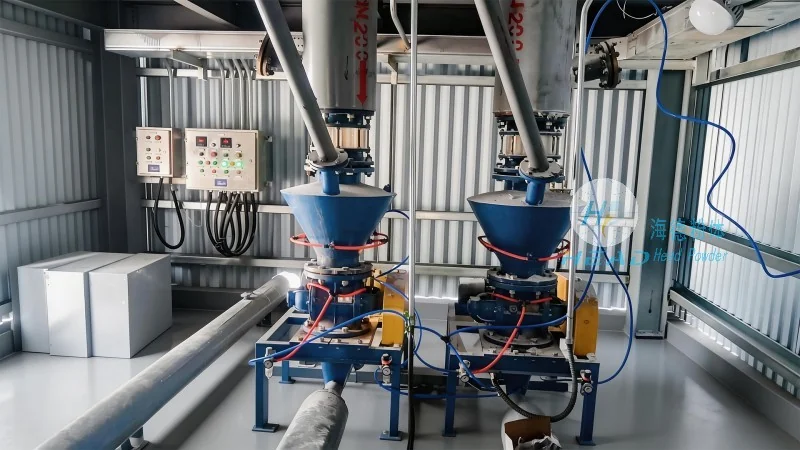
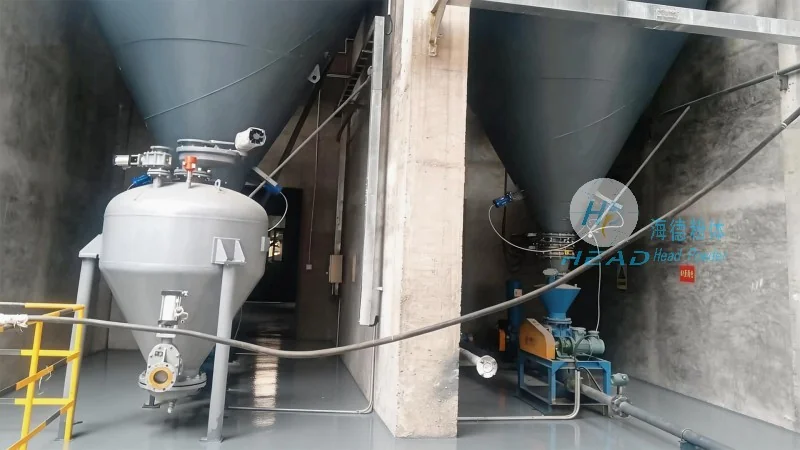
Shandong HeadPowder Engineering Co., Ltd. specializes in designing and manufacturing pneumatic conveying systems tailored for rubber powder applications. The company's expertise lies in understanding the specific characteristics of rubber powder and adapting the conveying technology to meet the unique demands of each client. A typical pneumatic conveying system for rubber powder includes components such as a hopper, a feeder, a pipeline, and a receiver. The system operates by introducing air into the hopper, which lifts the rubber powder particles and transports them through the pipeline to the destination. This process can be either positive pressure (where air is forced into the system) or negative pressure (where air is drawn out), depending on the application requirements.
Key Advantages of Pneumatic Conveying in Rubber Powder Handling
One of the primary benefits of pneumatic conveying for rubber powder is the reduction in dust and static electricity. Unlike mechanical systems that can generate significant dust, pneumatic systems enclose the material, preventing it from escaping into the environment. This not only improves workplace safety but also reduces the need for additional dust control measures. Additionally, pneumatic conveying minimizes material degradation by avoiding direct impact or friction, which can occur with mechanical conveyors. The enclosed environment also helps maintain the quality of the rubber powder, ensuring it remains consistent for downstream processes such as compounding or recycling.
Technical Considerations for Rubber Powder Pneumatic Conveying
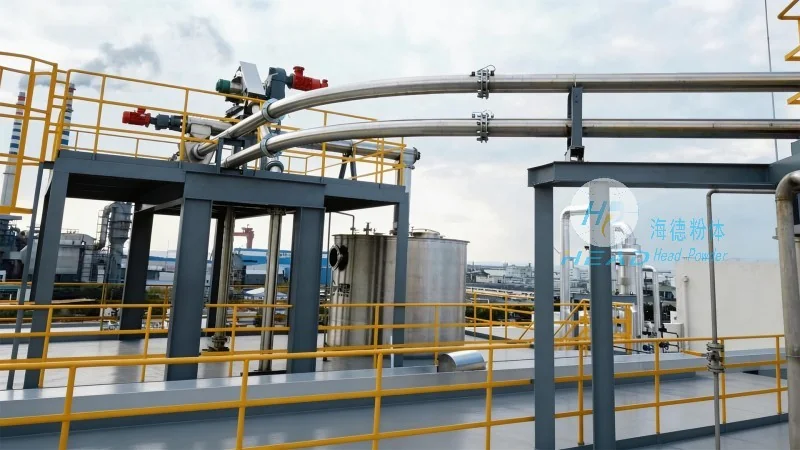
Implementing a successful pneumatic conveying system for rubber powder involves several technical considerations. The first is the selection of the appropriate air velocity, which must be high enough to lift the powder particles but not so high as to cause excessive wear on the system components. The company considers factors such as particle size, density, and moisture content when determining the optimal air velocity. Another critical consideration is the design of the pipeline, which must be smooth and free of sharp edges to prevent material buildup or blockages. HeadPowder uses high-quality materials like stainless steel or special alloys to construct the pipelines, ensuring durability and resistance to corrosion from the rubber powder.
Applications and Case Studies
Pneumatic conveying systems from Shandong HeadPowder Engineering Co., Ltd. have been successfully implemented in various industries, including tire manufacturing, rubber recycling, and industrial compounding. For example, a tire manufacturer in China used a positive pressure pneumatic system to transport rubber powder from storage silos to the mixing plant. The system improved material flow and reduced downtime caused by material blockages. In another case, a rubber recycling facility implemented a negative pressure system to handle fine rubber powder from shredded tires. The system effectively collected the powder and delivered it to the processing equipment, enhancing overall operational efficiency.
Conclusion
Pneumatic conveying plays a vital role in the efficient and safe handling of rubber powder. By leveraging the technology, companies can improve product quality, reduce operational costs, and enhance workplace safety. Shandong HeadPowder Engineering Co., Ltd. continues to innovate in the field of pneumatic conveying, providing customized solutions that meet the specific needs of its clients. With its expertise and commitment to quality, the company remains a leader in the industry, helping businesses optimize their rubber powder handling processes and achieve their operational goals.