

Pearl Salt Granules Technical Parameters and Conveying System Process
Shandong HeadPowder Engineering Co., Ltd., commonly known as headpowder, is a professional manufacturer and supplier specializing in the production of advanced conveying systems and processing technologies for various industrial materials. With a focus on precision engineering and efficient material handling solutions, the company has established itself as a reliable partner in the chemical and food processing industries. Headquartered in Shandong, China, the company leverages its extensive experience and cutting-edge technology to deliver high-quality products tailored to meet the diverse needs of global clients.
Pearl Salt Granules Technical Parameters
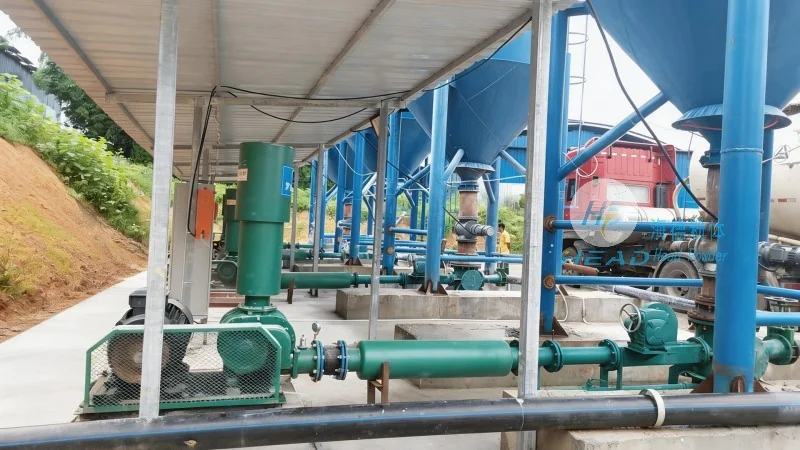
The technical parameters of pearl salt granules are meticulously designed to ensure optimal performance and consistency in industrial applications. Key specifications include granule size distribution, moisture content, bulk density, and chemical composition. For instance, the granule size typically ranges from 1mm to 5mm, with a uniform distribution that minimizes segregation during handling. Moisture content is strictly controlled to below 0.5% to prevent caking and maintain product stability. Bulk density is optimized to facilitate efficient storage and transportation, while chemical analysis ensures compliance with industry standards for purity and safety. These parameters are critical for downstream processes such as blending, packaging, and end-use applications in food and pharmaceutical industries.
Conveying System Process
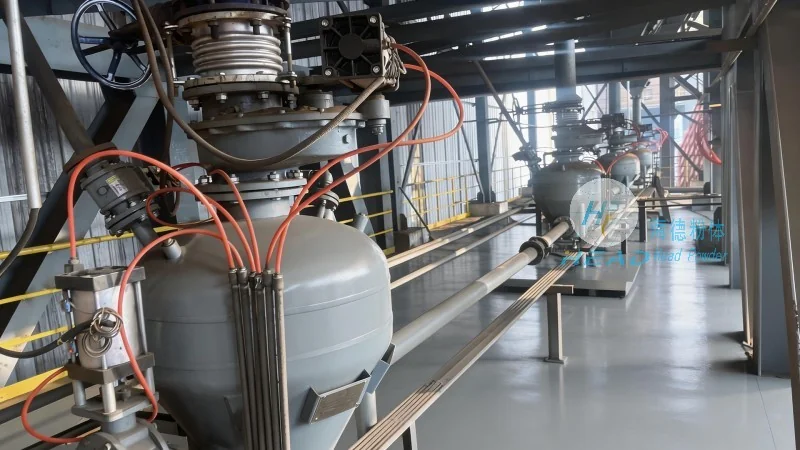
The conveying system for pearl salt granules employs a combination of advanced technologies to ensure seamless material transfer from storage to processing units. The process begins with bulk storage in silos or hoppers, where the granules are stored under controlled conditions to maintain quality. From the storage silos, the material is transferred to a feeding system, which uses rotary valves or screw feeders to regulate the flow rate. The feeding equipment is designed to handle the specific characteristics of pearl salt granules, such as their density and flowability, to prevent blockages and ensure consistent feeding. The conveyed material then moves through a series of pipelines, often equipped with pneumatic or mechanical conveyors, to reach the processing or packaging stations. The system incorporates sensors and control mechanisms to monitor flow rates, pressure, and temperature, ensuring real-time adjustments and maintaining operational efficiency. This integrated approach minimizes downtime and maximizes throughput, making it suitable for high-volume production environments.
Technical Advantages
HeadPowder's conveying system for pearl salt granules offers several technical advantages that enhance operational efficiency and product quality. One key advantage is the use of specialized equipment designed to handle the unique properties of granular materials, such as reduced friction and improved flow characteristics. The system's modular design allows for easy integration with existing production lines, reducing installation time and costs. Additionally, the use of automated control systems enables precise regulation of material flow, minimizing waste and ensuring consistent product output. The company's expertise in material handling ensures that the conveying process is optimized for energy efficiency, with minimal power consumption compared to traditional methods. Furthermore, the system's robust construction and durability ensure long-term reliability, even in harsh industrial environments. These advantages make the system a cost-effective and reliable solution for businesses seeking to improve their material handling processes.
Application Scenarios
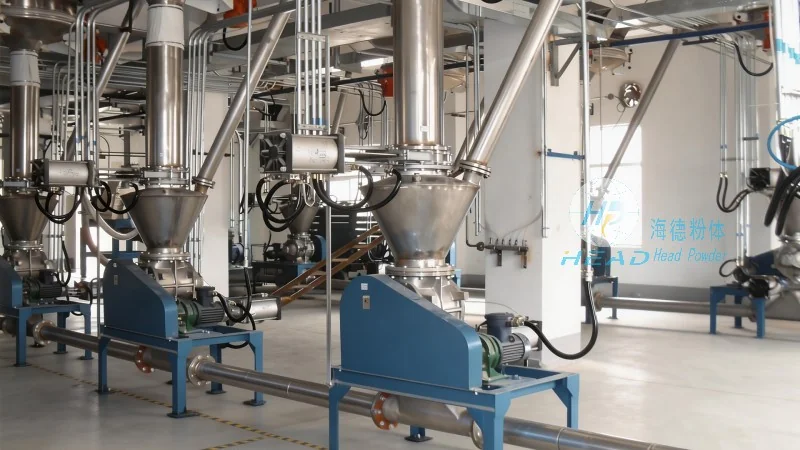
The conveying system for pearl salt granules is widely used in various industrial applications, particularly in the food and chemical industries. In the food industry, it is commonly employed in the production of salted snacks, seasonings, and other processed foods, where consistent granule size and quality are essential for product uniformity. The system's ability to handle large volumes of material efficiently supports high-speed production lines, meeting the demands of modern food processing. In the chemical industry, the system is used for the transfer of salt-based chemicals in manufacturing processes, such as water treatment and industrial cleaning. The system's precision and reliability ensure that the chemical composition of the material is maintained throughout the conveying process, preventing contamination and ensuring product safety. Additionally, the system is suitable for applications in pharmaceuticals, where the handling of granular raw materials requires strict adherence to quality and hygiene standards. Overall, the system's versatility and adaptability make it a valuable asset for businesses operating in diverse industrial sectors.