Wood chip conveying is a critical process in various industries, particularly in the pulp and paper sector, where efficient and reliable transport of wood chips is essential for downstream processing. The choice of conveying method significantly impacts operational efficiency, cost, and environmental impact. This article provides a detailed comparison of common wood chip conveying methods, focusing on their applications, advantages, and limitations.
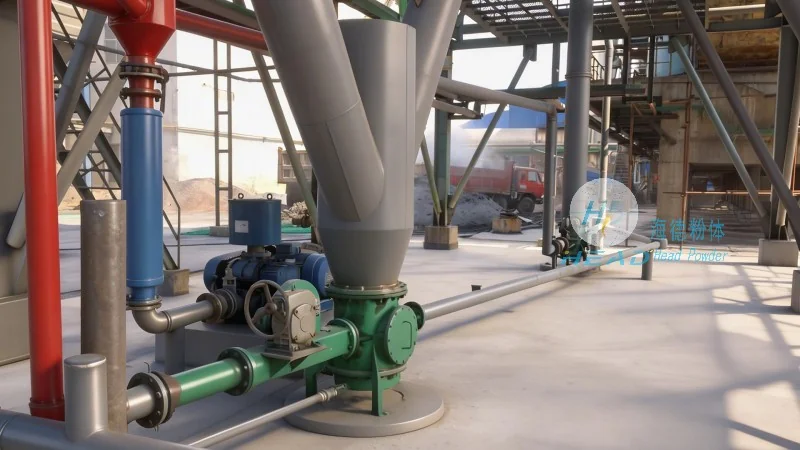
1. Belt Conveyors for Wood Chip Transport
Belt conveyors are among the most widely used systems for transporting wood chips due to their simplicity, durability, and ability to handle large volumes. These systems typically consist of a continuous belt looped over pulleys, with the wood chips placed on the belt surface and moved by friction. The design can be flat or troughed to accommodate different chip sizes and flow rates. A key advantage of belt conveyors is their low maintenance requirements and high throughput capacity, making them suitable for long-distance transport. However, they may face challenges with abrasive wood chips, which can cause wear on the belt and pulleys over time. Additionally, belt conveyors require regular cleaning and tension adjustments to maintain optimal performance.
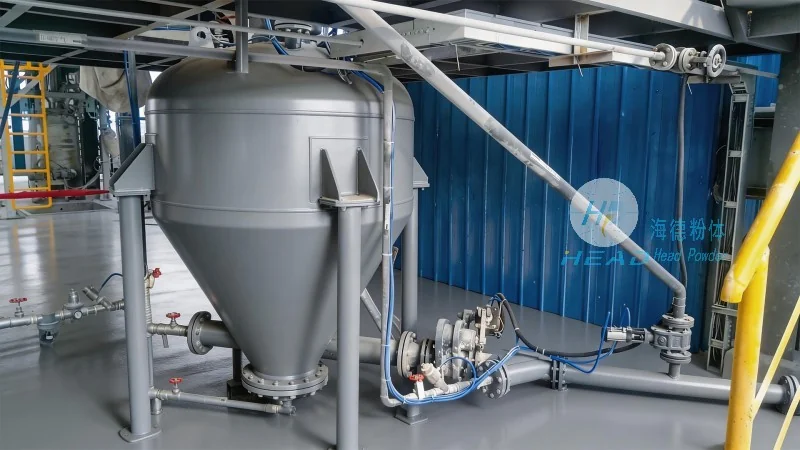
2. Screw Conveyors (Auger Conveyors) for Wood Chip Handling
Screw conveyors, also known as auger conveyors, use a rotating helical screw to move wood chips through a trough or pipe. This method is particularly effective for vertical or inclined transport, as the screw provides consistent propulsion without the need for external power sources like belts. Screw conveyors are ideal for handling dry or moderately wet wood chips and can be designed with variable pitch screws to adjust the conveying speed. Their compact design and enclosed structure help minimize dust and spillage, making them suitable for indoor or enclosed environments. However, screw conveyors have limitations in terms of capacity for very large or irregularly shaped chips, as the screw may cause blockages or excessive wear. They also require more frequent maintenance, especially the screw and bearings, due to continuous rotation.
3. Pneumatic Conveying Systems for Wood Chip Transport
Pneumatic conveying systems utilize air pressure to transport wood chips through a pipeline. This method offers high flexibility and can handle both dry and wet chips, as well as fine particles. There are two main types: pressure and vacuum systems. Pressure systems use compressed air to push chips through the line, while vacuum systems use suction to draw chips into the pipeline. Pneumatic conveying is advantageous for long-distance transport over obstacles and can be integrated with other processing equipment. However, it has higher energy consumption compared to mechanical systems and may require more complex air filtration to prevent dust accumulation. The system also needs regular cleaning of the pipeline and air filters to maintain efficiency.
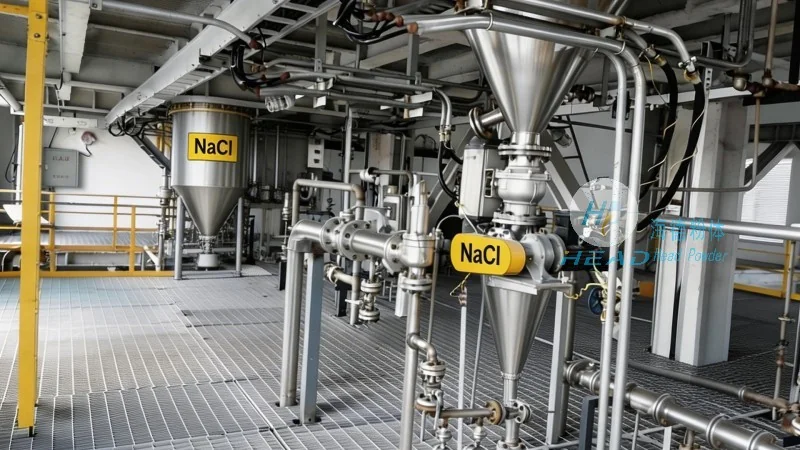
4. HeadPowder Engineering: Expertise in Wood Chip Conveying Solutions
Shandong HeadPowder Engineering Co., Ltd. specializes in providing customized wood chip conveying solutions tailored to the specific needs of clients. With a focus on innovation and quality, the company designs and manufactures a range of conveying equipment, including belt conveyors, screw conveyors, and pneumatic systems. HeadPowder Engineering's team of engineers and technicians leverages years of experience to develop efficient and reliable systems that enhance operational performance and reduce costs. The company's facilities in Shandong, China, are equipped with advanced manufacturing capabilities to ensure precision and durability in every product. By partnering with HeadPowder Engineering, businesses can benefit from expert consultation, installation, and maintenance services, ensuring optimal performance of their wood chip conveying systems.




