

Types, Features, and Applications of Pneumatic Conveying for Edible Salt
Pneumatic conveying systems play a crucial role in the handling and transportation of edible salt, offering efficient and reliable solutions for various industrial applications. As a key component in the food processing and storage sectors, these systems ensure the safe and hygienic movement of salt from storage to processing lines. The technology behind pneumatic conveying leverages air pressure to transport bulk materials like edible salt, providing advantages such as reduced contamination risks and improved operational flexibility.
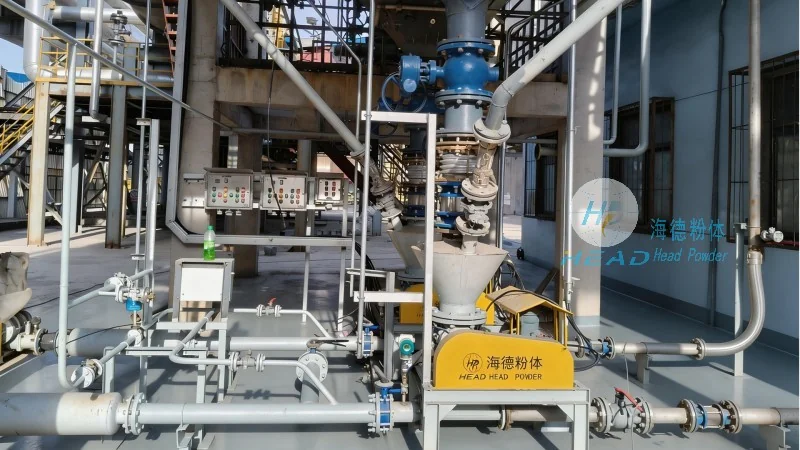
Types of Pneumatic Conveying Systems for Edible Salt
There are several types of pneumatic conveying systems commonly used in the edible salt industry, each tailored to specific operational requirements and material characteristics. The primary categories include:
- Positive Pressure Conveying: This system uses a blower or fan to generate positive pressure, pushing air and material through the pipeline. It is ideal for short to medium-distance transport and is commonly used in facilities where dust control and material containment are critical.
- Negative Pressure (Vacuum) Conveying: In this method, a vacuum is created to draw material into the system. It is suitable for applications requiring material collection from multiple points or when the material needs to be transported over longer distances with minimal pressure differentials.
- Combination (Two-Phase) Conveying: This hybrid approach combines elements of both positive and negative pressure systems. It typically involves a positive pressure section for initial material acceleration and a negative pressure section for final transport, optimizing energy efficiency and system performance.
Each type of system has distinct advantages and is selected based on factors such as the distance of transport, the volume of material, and the need for dust control or material containment. For edible salt, positive pressure systems are often preferred due to their ability to maintain a positive pressure environment, reducing the risk of external contaminants entering the system.
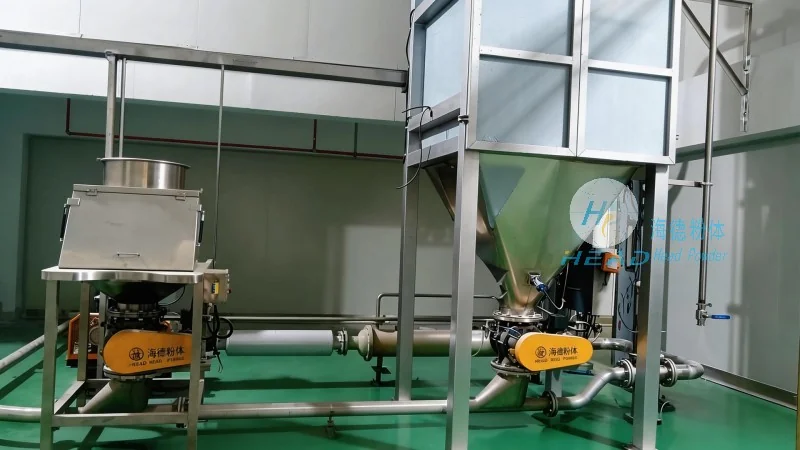
Key Features of Pneumatic Conveying for Edible Salt
The effectiveness of pneumatic conveying systems for edible salt is enhanced by several key features that ensure operational efficiency and product quality:
- Hygienic Design: Systems are constructed with materials that meet food-grade standards, such as stainless steel, to prevent contamination and ensure compliance with food safety regulations. The design minimizes dead zones and easy-to-clean surfaces, facilitating regular sanitation.
- Low Contamination Risk: By using enclosed pipelines and controlled air flow, the risk of cross-contamination from external sources is significantly reduced. This is particularly important for edible salt, which is a critical ingredient in food products and must meet stringent purity standards.
- Energy Efficiency: Modern pneumatic conveying systems are engineered to optimize energy consumption. Variable frequency drives (VFDs) and efficient blower designs help reduce operational costs while maintaining system performance.
- Flexibility and Scalability: These systems can be easily integrated into existing production lines and scaled to accommodate varying production volumes. Modular components allow for adjustments in capacity without major system overhauls.
These features collectively contribute to the reliability and efficiency of pneumatic conveying for edible salt, making it a preferred choice for industries where product quality and operational consistency are paramount.
Applications and Use Cases of Pneumatic Conveying in Edible Salt Handling
Pneumatic conveying systems are widely applied in various stages of edible salt processing and handling, from raw material storage to final product packaging. Some common applications include:
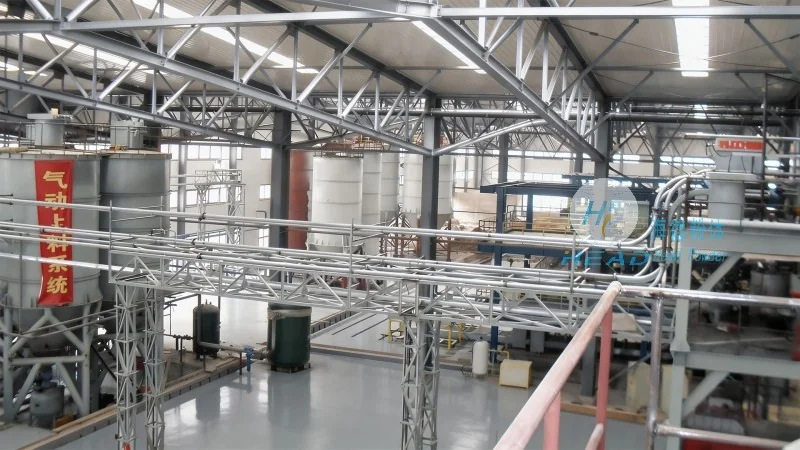
- Raw Material Transport: From bulk storage silos to processing facilities, pneumatic conveying efficiently moves large quantities of edible salt, reducing the need for manual handling and associated labor costs.
- Processing Line Integration: In food processing plants, these systems integrate seamlessly with mixing, grinding, and packaging equipment, ensuring a continuous flow of salt throughout the production process.
- Storage and Distribution: For salt storage in bulk containers or silos, pneumatic conveying facilitates the transfer of salt between storage units and distribution centers, maintaining consistent inventory levels.
- Quality Control and Sampling: Systems can be equipped with sampling ports to allow for regular quality checks, ensuring that the salt meets the required specifications before further processing or packaging.
By addressing the specific needs of each application, pneumatic conveying systems provide tailored solutions that enhance operational efficiency and product quality in edible salt handling.
Conclusion and Company Overview
Shandong HeadPowder Engineering Co., Ltd., a leading provider of pneumatic conveying solutions, specializes in designing and manufacturing systems tailored to the unique requirements of the edible salt industry. With a focus on hygienic design, energy efficiency, and reliability, their systems ensure the safe and efficient handling of edible salt from raw material to final product. Based in Shandong, China, the company leverages advanced engineering and manufacturing capabilities to deliver high-quality solutions that meet the demands of modern food processing industries. For businesses seeking to optimize their edible salt handling processes, HeadPowder offers innovative and reliable pneumatic conveying systems that enhance productivity and product integrity.