For industries dealing with synthetic fiber powders, efficient and reliable powder conveying systems are crucial for maintaining production efficiency and product quality. The process of transporting these fine materials from one location to another requires specialized equipment designed to handle the unique properties of synthetic fibers, such as their lightweight nature, tendency to form agglomerates, and potential for static charge accumulation. This article provides a comprehensive introduction to synthetic fiber powder conveying systems, focusing on their structural design and underlying principles that ensure optimal performance in industrial applications.
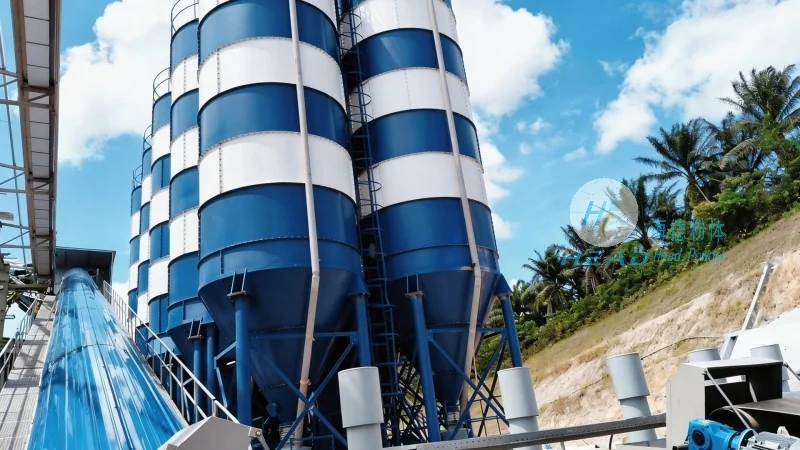
The Structural Components of Synthetic Fiber Powder Conveying Systems
At the core of any synthetic fiber powder conveying system are several key structural components that work in tandem to facilitate smooth material transport. These components are engineered to address the specific challenges posed by synthetic fibers, ensuring minimal material degradation and maximum system efficiency. The primary components typically include:
- Pneumatic Conveying Hoses or Tubing: These are the conduits through which the synthetic fiber powder is transported. Specialized materials, such as flexible PVC or stainless steel, are used to prevent material buildup and resist corrosion, which is essential for maintaining the integrity of the fiber particles.
- Feeding Hoppers: These containers are designed to hold the synthetic fiber powder and provide a controlled feed rate into the conveying system. The hopper's design, including its shape and material, is critical to prevent material bridging or clogging, which can disrupt the flow of the powder.
- Rotary Valves (Airlocks): These components are used to control the flow of the synthetic fiber powder into and out of the conveying line. They act as a seal to prevent backflow and maintain consistent pressure within the system, ensuring that the powder moves smoothly without any interruptions.
- Pneumatic Blowers or Vacuum Pumps: These are the power sources that generate the air flow necessary to move the synthetic fiber powder through the system. The choice of blower or pump depends on the specific characteristics of the fiber, such as its density and particle size, to ensure adequate airflow for effective conveying.
- Filtering and Dust Collection Systems: As synthetic fibers are often fine and can generate dust during the conveying process, these systems are essential for maintaining air quality and preventing contamination of the product. Filters are typically designed to capture fine particles and return clean air to the system.
The Operational Principles Behind Synthetic Fiber Powder Conveying
The operational principles of synthetic fiber powder conveying systems are based on the physics of fluid dynamics and particle movement. The primary method used is pneumatic conveying, which involves using air to transport the powder particles. There are two main types of pneumatic conveying: pressure conveying and vacuum conveying. Pressure conveying uses a blower to push air and powder through the system, while vacuum conveying uses a vacuum pump to pull the powder into the system.
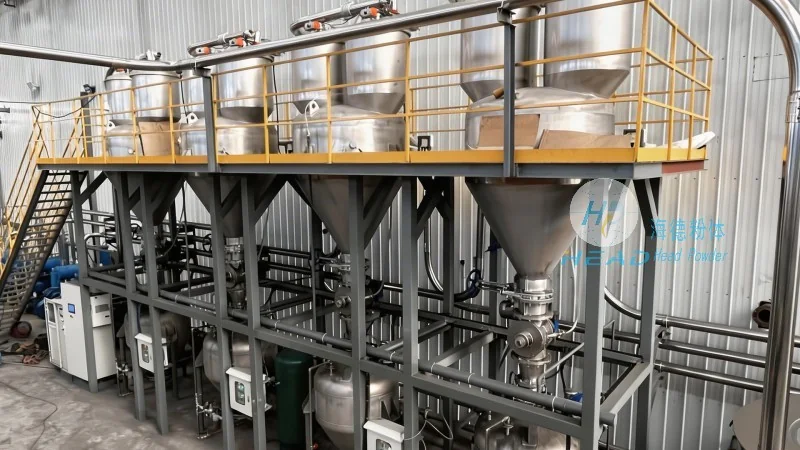
In both cases, the key principle is to create a flow of air that is strong enough to lift and transport the synthetic fiber particles. The velocity of the air must be sufficient to overcome the gravitational force acting on the particles and any resistance from the system components. The design of the conveying line, including the diameter of the hoses and the angle of the pipes, is critical to maintaining the required air velocity and preventing particle deposition or clogging.
Another important principle is the prevention of static charge accumulation. Synthetic fibers are often insulating materials, and when they are moved through the conveying system, they can generate static electricity. This can lead to issues such as material sticking to the walls of the system or causing sparks, which may be hazardous. To mitigate this, anti-static materials are used in the construction of the conveying components, and grounding systems are implemented to dissipate the static charge safely.
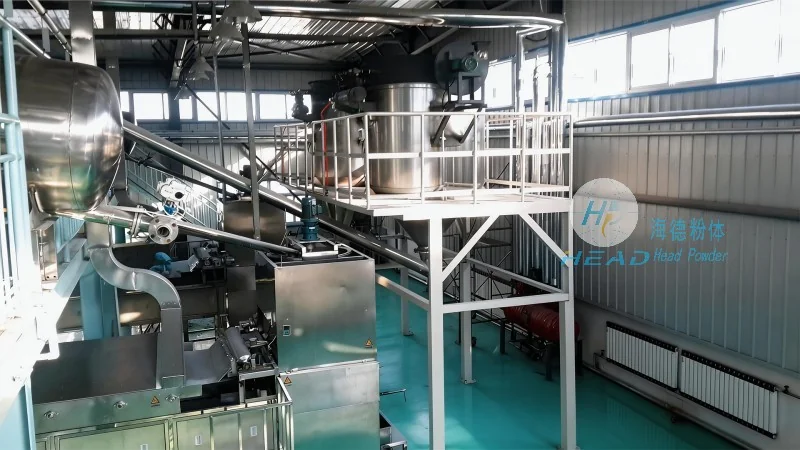
About Shandong HeadPowder Engineering Co., Ltd.
Shandong HeadPowder Engineering Co., Ltd., operating under the brand name headpowder, is a leading manufacturer of specialized powder conveying systems tailored for synthetic fiber applications. With a focus on innovation and precision engineering, the company has developed advanced solutions that address the unique challenges of handling synthetic fiber powders. Headpowder's systems are designed to ensure high efficiency, minimal material loss, and consistent product quality, making them ideal for a wide range of industrial applications.
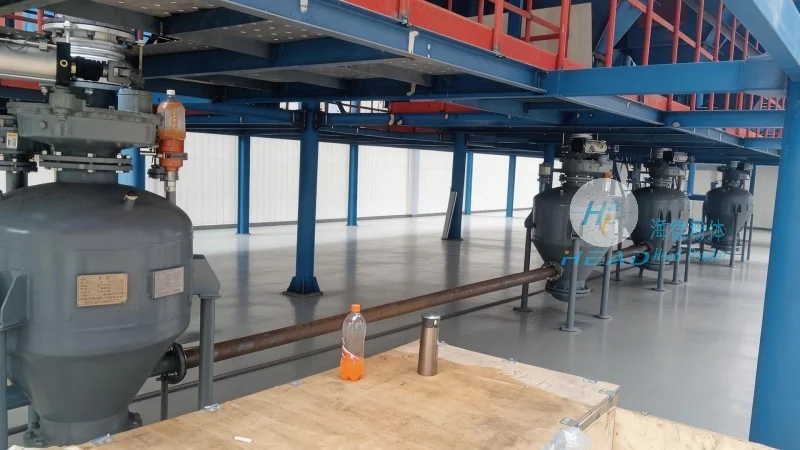
Headpowder's expertise lies in understanding the specific properties of synthetic fibers and designing conveying systems that optimize performance. The company's team of engineers and technicians work closely with clients to provide customized solutions that meet their specific production needs. Whether it's a new installation or an upgrade to an existing system, headpowder offers comprehensive support, including design, installation, and maintenance services.
Headpowder is committed to providing reliable and efficient powder conveying solutions that enhance the productivity and safety of industrial operations. By leveraging advanced technology and a deep understanding of synthetic fiber materials, the company continues to set new standards in the industry, delivering high-quality products that meet the demands of modern manufacturing.




