HeadPowder, a leading manufacturer in the field of material handling and processing equipment, specializes in providing advanced solutions for the efficient transport of fine powders. Among their product lineup, the nanoparticle calcium carbonate pneumatic conveying system stands out as a critical piece of machinery for industries dealing with calcium carbonate, a widely used filler and reinforcement material in various applications such as plastics, paper, and coatings. This article provides an overview of the equipment, its structural design, and the underlying principles of its operation, highlighting how it enhances productivity and ensures reliable material transport.
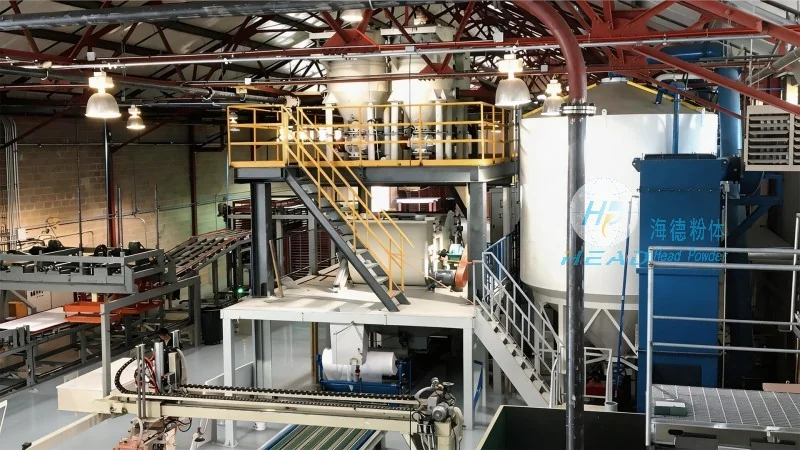
Company Overview: Shandong HeadPowder Engineering Co., Ltd.
HeadPowder, formally known as Shandong HeadPowder Engineering Co., Ltd., is headquartered in Shandong, China. With a strong commitment to innovation and quality, the company has established itself as a trusted provider of pneumatic conveying systems and related engineering solutions. Their expertise lies in designing equipment that meets the specific demands of modern industrial processes, ensuring durability, efficiency, and compliance with industry standards. By leveraging advanced technology and a deep understanding of material behavior, HeadPowder delivers solutions that optimize material handling operations for clients worldwide.
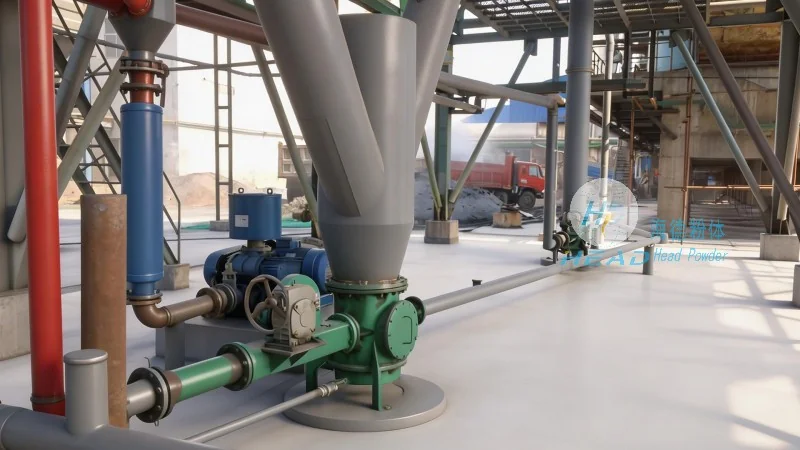
Structural Components of the Pneumatic Conveying System
The nanoparticle calcium carbonate pneumatic conveying equipment is engineered with precision to handle the unique characteristics of calcium carbonate powders, particularly their fine particle size and tendency to agglomerate. The system typically consists of several key components that work in tandem to achieve efficient transport. These include a hopper for material storage, a feeder to control the flow rate, a venturi or pipeline system for air and material transport, and a receiver for the discharged material. Each component is designed to minimize material degradation and ensure consistent performance.
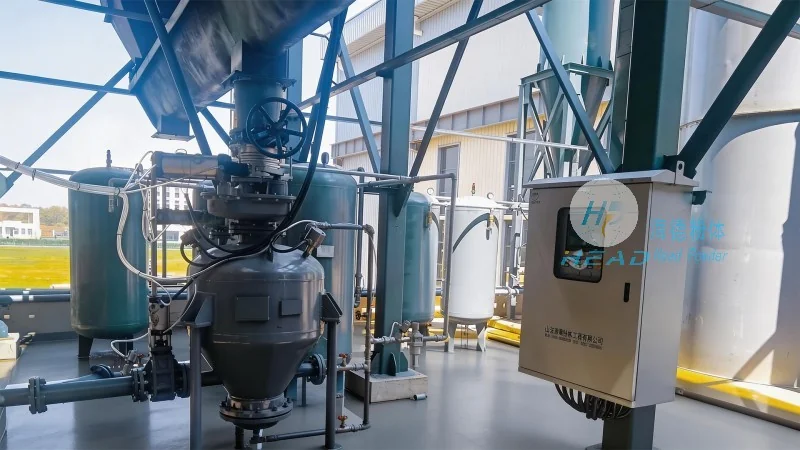
The Working Principle: How the System Transports Materials
The core of the pneumatic conveying system is the principle of fluidization and air movement. The process begins with the material being fed from the hopper into the conveying line. Simultaneously, compressed air is introduced into the system, creating a flow that lifts and transports the calcium carbonate particles through the pipeline. The venturi or pipeline design ensures that the air velocity is sufficient to keep the particles suspended, preventing blockages and ensuring smooth transport. The receiver at the end of the line collects the material as it is deposited, completing the cycle. This method of transport is particularly effective for fine powders like calcium carbonate, as it avoids the need for mechanical components that could cause wear or contamination.
Advantages of Using Pneumatic Conveying for Calcium Carbonate
Implementing a pneumatic conveying system for nanoparticle calcium carbonate offers several advantages over traditional methods such as belt conveyors or screw conveyors. Firstly, it eliminates the risk of material contamination, as the system is enclosed and operates under controlled conditions. Secondly, it reduces the need for manual handling, enhancing workplace safety and reducing labor costs. Thirdly, the system can handle high volumes of material with minimal maintenance, leading to increased operational efficiency. Additionally, the ability to transport materials over longer distances without the need for intermediate storage points makes it ideal for large-scale industrial applications. By leveraging the pneumatic conveying technology, industries can achieve higher throughput rates and maintain product quality throughout the transport process.
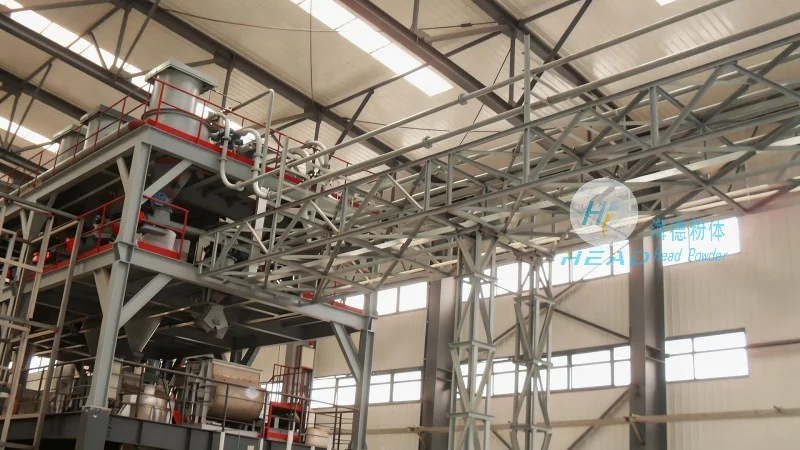
Application Scenarios and Industry Impact
The nanoparticle calcium carbonate pneumatic conveying equipment is widely used in various industries where calcium carbonate is a key raw material. In the plastics industry, it is used to add calcium carbonate to polymer blends, improving the mechanical properties and reducing production costs. In the paper industry, it serves as a filler to enhance the strength and whiteness of paper products. Similarly, in the coatings and adhesives industry, it is used to improve the durability and performance of the final products. By ensuring consistent and efficient transport of calcium carbonate, the equipment supports the production of high-quality end products, contributing to the overall efficiency and profitability of manufacturing processes.




