HeadPowder, a leading enterprise in the field of material handling and processing, specializes in the design and implementation of advanced pneumatic conveying systems for silica fume. This article provides a comprehensive overview of the structural principles and operational mechanisms of silica fume pneumatic conveying systems, highlighting the technical advancements and practical applications that define modern material transport solutions.
Company Profile and Expertise
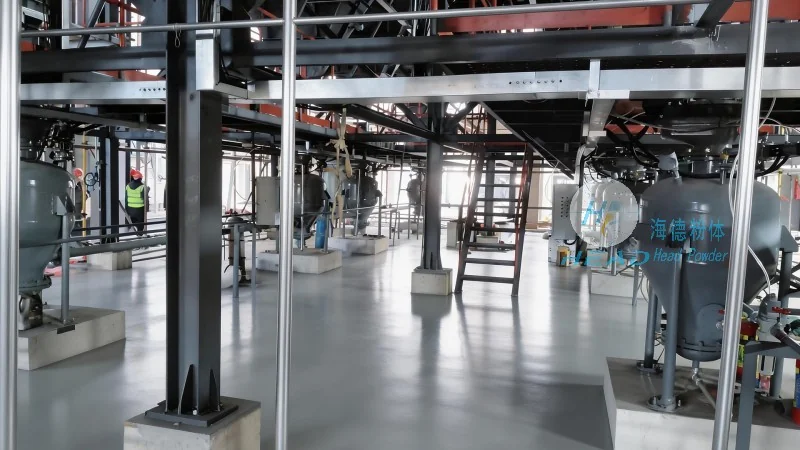
Shandong HeadPowder Engineering Co., Ltd., commonly known as HeadPowder, is a professional manufacturer and supplier of pneumatic conveying equipment. With a strong focus on innovation and customer-centric solutions, the company has established itself as a trusted partner in the construction and industrial sectors. HeadPowder's expertise lies in the development of customized pneumatic conveying systems tailored to the unique requirements of silica fume handling, ensuring efficient, reliable, and cost-effective material transport. The company's operational base is located in Shandong, China, where it leverages local resources and industry knowledge to deliver high-quality products and services.
Understanding Silica Fume Pneumatic Conveying
Silica fume, also known as microsilica, is a byproduct of silicon metal production and is widely used as a supplementary cementitious material in concrete and other construction applications. The efficient transport of silica fume from storage silos to processing facilities is critical for maintaining production efficiency and product quality. Pneumatic conveying offers a non-contact, low-maintenance method for transporting fine powders like silica fume, eliminating the need for mechanical components that can cause material degradation or contamination. This section explores the fundamental concepts and structural components of silica fume pneumatic conveying systems.
Structural Components of Pneumatic Conveying Systems
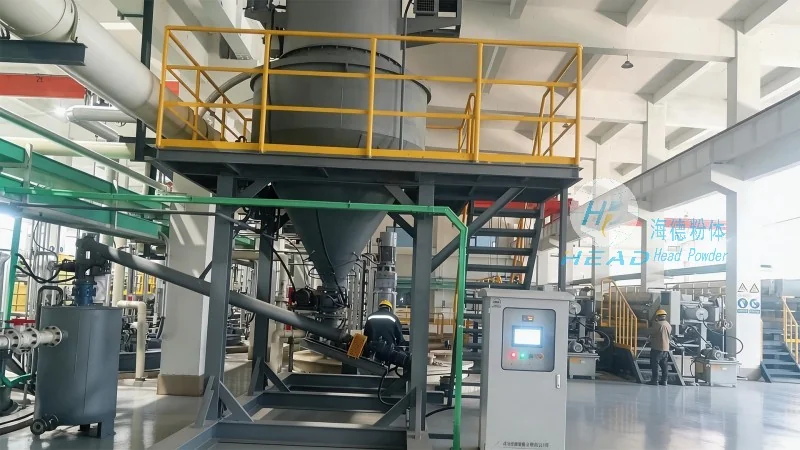
A typical silica fume pneumatic conveying system consists of several key components that work in tandem to ensure smooth material transport. The primary components include a storage silo, a conveying line (either positive or negative pressure), a dust collector, and a discharge hopper. The storage silo is designed to hold large quantities of silica fume, with a discharge valve that controls the flow of material into the conveying line. The conveying line is the central pathway for transporting silica fume, and it can be configured as either a positive pressure system, where air is forced through the line to push the material, or a negative pressure system, where air is drawn through the line to pull the material. The dust collector is an essential component that captures any airborne particles, ensuring compliance with environmental regulations and maintaining a clean working environment. The discharge hopper is used to collect the conveyed silica fume at the destination point, allowing for easy transfer to the next processing stage.
Working Principles of Pneumatic Conveying
The operation of a silica fume pneumatic conveying system is based on the principles of fluid dynamics and particle transport. In a positive pressure system, a blower or compressor generates high-pressure air that is introduced into the conveying line. The air flows through the line, carrying the silica fume particles along with it. The velocity of the air is carefully controlled to ensure that the particles remain suspended and do not settle out of the stream. The conveying line is typically equipped with bends and fittings that are designed to minimize pressure loss and maintain the flow of material. In a negative pressure system, a vacuum pump creates a low-pressure environment at the discharge end of the line, drawing the silica fume particles into the line. The air flow in this system is also regulated to maintain the proper velocity for particle suspension. The choice between positive and negative pressure systems depends on factors such as the distance to be covered, the quantity of material to be conveyed, and the specific characteristics of the silica fume being handled.
Advantages of Silica Fume Pneumatic Conveying
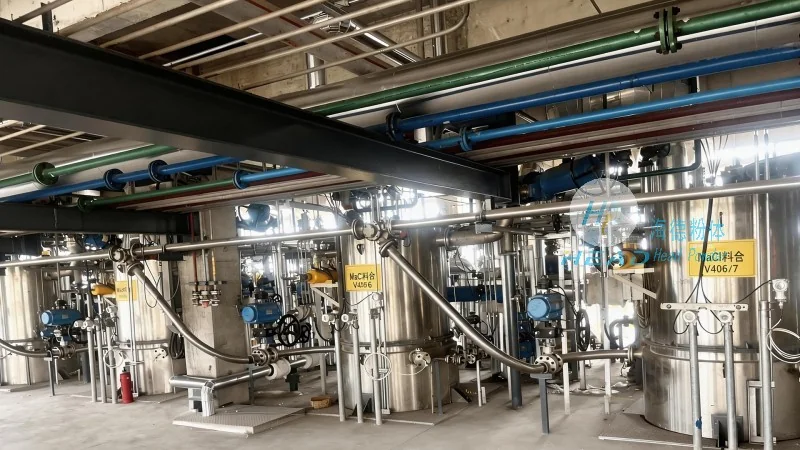
Pneumatic conveying offers several advantages over traditional mechanical conveying methods for silica fume. One of the key benefits is the elimination of mechanical components, which reduces the risk of material degradation and contamination. This is particularly important for fine powders like silica fume, which can be easily damaged by friction or impact. Additionally, pneumatic conveying systems are highly flexible and can be easily adapted to changing production requirements. They can be configured to handle varying material volumes and can be integrated with other processing equipment without significant modifications. The systems also provide better control over the material flow, allowing for precise dosing and dosing rates. Furthermore, pneumatic conveying is more energy-efficient compared to mechanical systems, as the air flow can be optimized to minimize energy consumption while maintaining the required conveying capacity.
Applications and Industry Impact
Silica fume pneumatic conveying systems are widely used in the construction industry, particularly in the production of high-performance concrete. The efficient transport of silica fume ensures that the material is delivered to the mixing plant in a consistent and controlled manner, which is critical for achieving the desired concrete properties. The systems are also used in other industries, such as chemical manufacturing and pharmaceuticals, where fine powders need to be transported without contamination. The adoption of pneumatic conveying technology has significantly improved the efficiency and reliability of material handling processes, leading to reduced downtime and increased productivity. As the demand for high-quality construction materials continues to grow, the importance of efficient silica fume handling systems will only increase, making pneumatic conveying an essential component of modern industrial operations.




