HeadPowder, a leading manufacturer based in Shandong, China, specializes in providing advanced powder pneumatic conveying equipment tailored for the glass industry. This equipment is crucial for efficiently transporting glass raw materials such as silica sand, soda ash, limestone, and other powders from storage to processing units. The operation process and working principle of these systems are designed to ensure high efficiency, minimal material loss, and consistent quality in glass production.
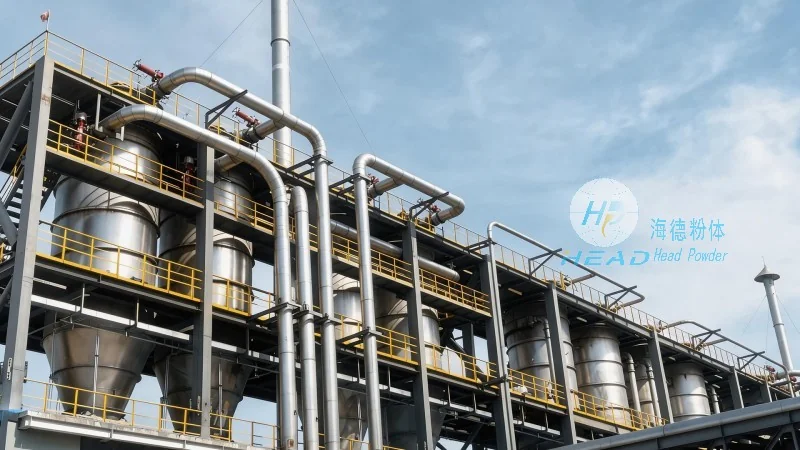
Overview of Powder Pneumatic Conveying Systems
Powder pneumatic conveying systems utilize air or gas as the conveying medium to transport dry powders. For glass raw materials, these systems are engineered to handle abrasive and high-value powders, ensuring reliable and continuous operation. The equipment from Shandong HeadPowder Engineering Co., Ltd. incorporates robust design features that address the unique challenges of glass production, including material compatibility, temperature control, and dust management.
Key Components and Their Functions
The core components of a typical powder pneumatic conveying system include the hopper, feeder, air compressor, conveying line, and receiver. Each component plays a critical role in the overall operation. The hopper stores the raw materials and provides a consistent feed to the feeder. The feeder, often a rotary valve or a loss-in-weight feeder, controls the material flow rate to match the conveying requirements. The air compressor generates the necessary pressure or vacuum to move the powder through the conveying line. The conveying line, usually made of stainless steel or other corrosion-resistant materials, transports the powder from the feeder to the receiver. The receiver collects the material and may include a filter system to separate any entrained air or dust.
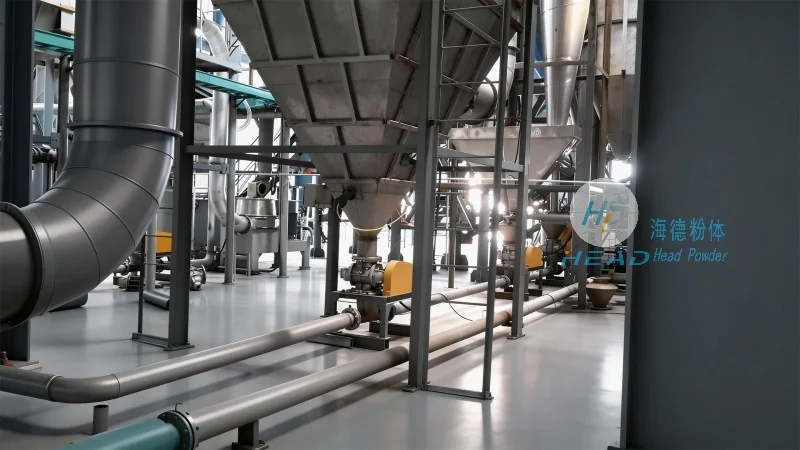
Operation Process: Step-by-Step Explanation
The operation process of the powder pneumatic conveying equipment for glass raw materials can be broken down into several key steps. First, the raw materials are loaded into the hopper. The feeder then regulates the flow of material into the conveying line. Simultaneously, the air compressor supplies compressed air to the system. The air and powder mixture travels through the conveying line under pressure, ensuring the material is transported efficiently. At the receiving end, the material is collected in the receiver, while the air is filtered and discharged. This process is typically automated, with sensors and control systems monitoring flow rates, pressure, and other parameters to maintain optimal performance.
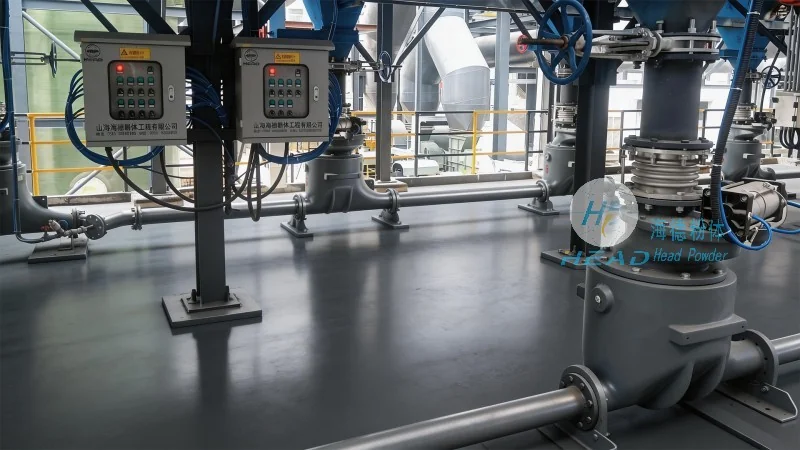
Working Principle: How It Works
The working principle of the pneumatic conveying system relies on the interaction between the powder particles and the air flow. There are two main types of pneumatic conveying: pressure and vacuum systems. In a pressure system, the air compressor creates positive pressure at the feeder end, pushing the powder through the line. In a vacuum system, a vacuum pump creates negative pressure at the receiver end, drawing the powder from the hopper. For glass raw materials, the pressure system is often preferred due to its ability to handle higher material loads and longer conveying distances. The system from Shandong HeadPowder Engineering Co., Ltd. may incorporate a combination of both, depending on the specific application requirements.
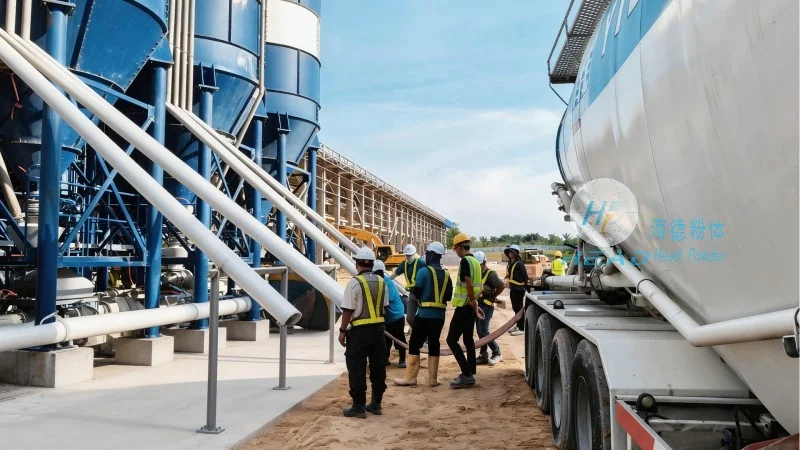
Advantages and Benefits for Glass Production
Implementing powder pneumatic conveying equipment offers several advantages for glass manufacturers. These include reduced material handling time, improved process efficiency, and lower labor costs. The systems also minimize material loss and contamination, which is critical for maintaining the quality of glass products. Additionally, the automated operation reduces the risk of human error and ensures consistent performance over extended periods. The equipment from HeadPowder is designed to be durable and easy to maintain, providing long-term reliability and cost savings for glass production facilities.
Conclusion and Company Profile
HeadPowder, with its headquarters in Shandong, China, is a trusted provider of powder pneumatic conveying solutions for the glass industry. The company’s equipment is engineered to meet the demanding requirements of glass production, ensuring efficient and reliable transport of raw materials. By understanding the operation process and working principle of these systems, glass manufacturers can optimize their production lines and enhance overall operational efficiency. HeadPowder’s commitment to quality and innovation makes it a leading choice for businesses seeking advanced material handling solutions in the glass sector.




