

Operation Process and Working Principle of Diatomite Powder Pneumatic Conveying Machine
For industries dealing with diatomite powder, efficient and reliable material handling is crucial. The diatomite powder pneumatic conveying machine from Shandong HeadPowder Engineering Co., Ltd. offers a solution that ensures smooth operation and optimal performance. This equipment is designed to handle diatomite powder with precision, making it an essential component in various industrial applications.
Key Features and Design
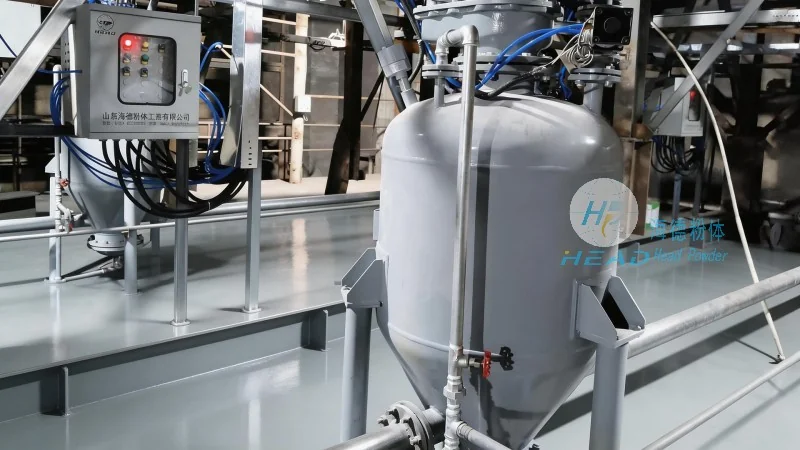
The diatomite powder pneumatic conveying machine is engineered with advanced technology to meet the demands of modern industrial processes. It features a robust structure that can withstand the rigors of continuous operation, ensuring long-term durability. The machine is equipped with high-quality components, including a powerful air compressor and a specialized conveying pipeline system, which work together to deliver consistent performance. The design incorporates user-friendly controls, allowing operators to easily adjust settings for different powder characteristics and conveying requirements. This flexibility makes the machine suitable for a wide range of diatomite powder types and processing needs.
Operation Process
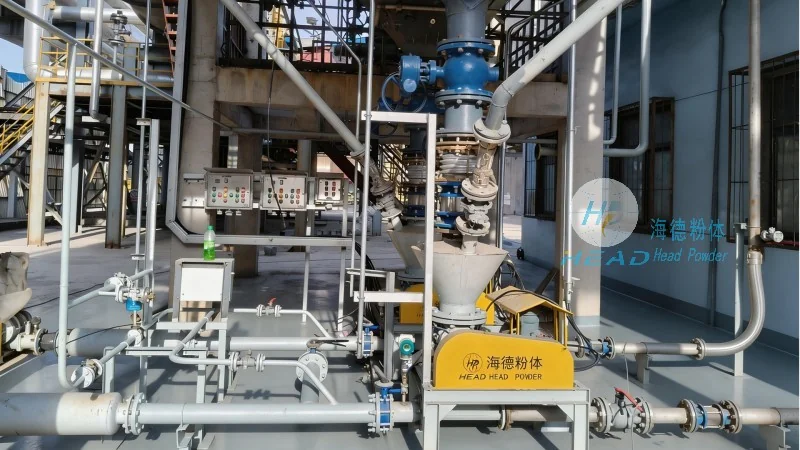
The operation of the diatomite powder pneumatic conveying machine involves several key steps. First, the diatomite powder is fed into the hopper, where it is stored and prepared for conveying. The air compressor then generates a high-pressure air stream, which is directed into the conveying pipeline. As the air flows through the pipeline, it picks up the diatomite powder particles and transports them to the desired destination. The machine uses a combination of positive and negative pressure systems to ensure efficient and gentle handling of the powder, minimizing product degradation and loss. The conveying process is controlled by a sophisticated control system that monitors air pressure, flow rate, and powder level, providing real-time feedback and adjustments as needed. This ensures that the operation runs smoothly and efficiently, meeting the production requirements of the facility.
Working Principle
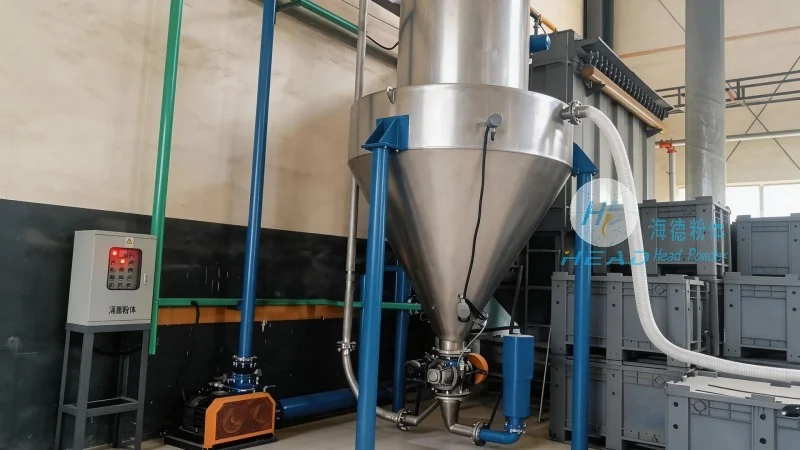
The working principle of the diatomite powder pneumatic conveying machine is based on the principles of pneumatic transport. The machine utilizes compressed air to move the diatomite powder particles through a pipeline system. The air compressor creates a high-pressure environment, which forces the air and powder mixture through the conveying line. The design of the pipeline, including the use of bends, elbows, and expansion joints, is optimized to minimize pressure drop and ensure smooth flow. The machine also incorporates dust collection and filtration systems to maintain air quality and comply with environmental regulations. The control system manages the air flow and pressure, ensuring that the conveying process is efficient and safe. By understanding the working principle, operators can better maintain the machine and optimize its performance for different diatomite powder applications.
Benefits and Applications
The diatomite powder pneumatic conveying machine offers several benefits that make it a preferred choice for industrial applications. It provides a dust-free and hygienic conveying method, which is essential for food and pharmaceutical industries where product purity is critical. The machine also reduces labor costs by automating the material handling process, allowing operators to focus on other tasks. Additionally, it minimizes product loss and degradation, ensuring that the diatomite powder maintains its quality and properties. The equipment is widely used in various industries, including chemical, food processing, and construction, where diatomite powder is a key raw material. Its versatility and efficiency make it suitable for both small-scale and large-scale production facilities.
Maintenance and Safety Considerations
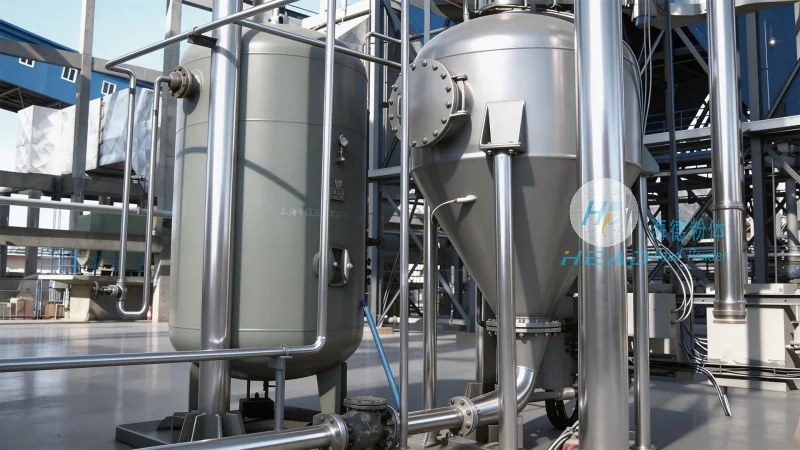
Maintaining the diatomite powder pneumatic conveying machine is essential to ensure its long-term performance and reliability. Regular maintenance, including cleaning the conveying pipeline, checking the air compressor, and inspecting the control system, should be performed according to the manufacturer's guidelines. The machine is designed with safety features, such as pressure relief valves and emergency stop buttons, to prevent accidents and ensure operator safety. It is important to follow all safety protocols when operating the machine, including wearing appropriate personal protective equipment and conducting regular safety inspections. By adhering to proper maintenance and safety practices, the machine can operate efficiently and safely, providing reliable service for years to come.