Shandong HeadPowder Engineering Co., Ltd., commonly known as headpowder, specializes in the design, manufacturing, and installation of advanced air-flow conveying systems tailored for the salt industry. Based in Shandong, China, the company leverages decades of expertise to deliver efficient and reliable solutions for salt transportation, ensuring optimal performance in various industrial applications.
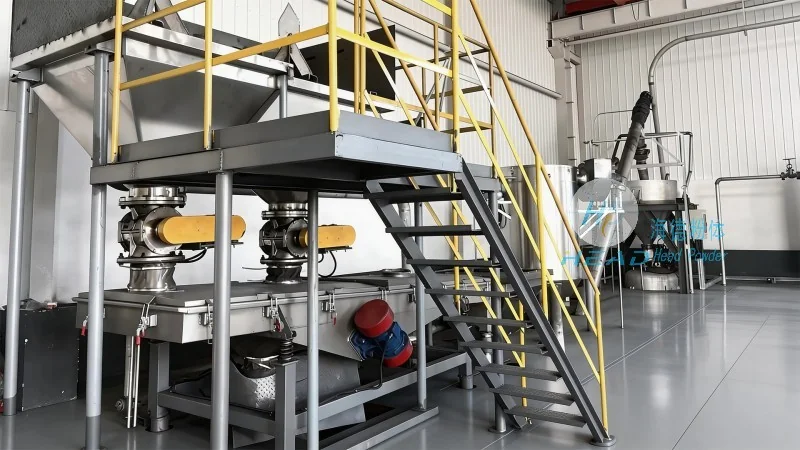
Overview of the Air-Flow Conveying System for Salt
The salt air-flow conveying system is a sophisticated piece of equipment engineered to transport bulk salt from storage silos or production sites to processing facilities or storage areas. This system operates by utilizing a high-pressure air stream to move granular salt particles through a pipeline network. The design incorporates components such as a blower, air ducts, and a hopper, all working in harmony to achieve seamless material transfer with minimal energy consumption.
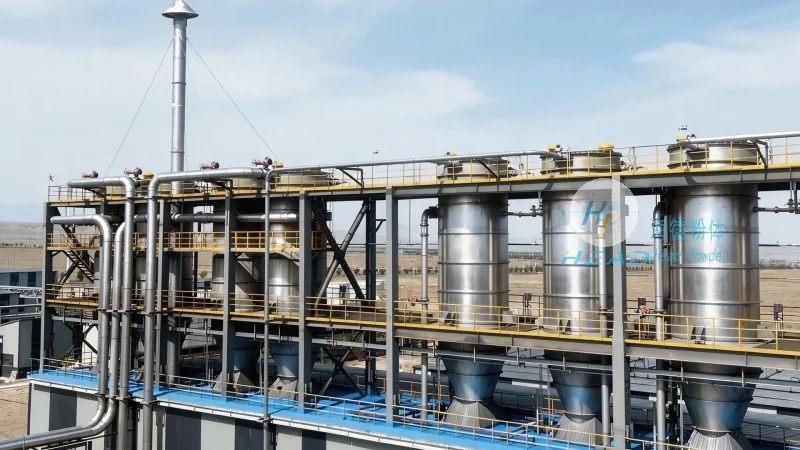
Key Components and Their Functions
At the core of the system are several critical components that ensure smooth operation. The blower, typically a centrifugal or positive displacement type, generates the necessary air pressure to propel the salt particles. Air ducts, made from durable materials like stainless steel or high-density polyethylene, channel the air and salt mixture through the system. The hopper, or feed hopper, is where the salt is introduced into the system, and it is equipped with a valve to control the flow rate. Additionally, a filter system is integrated to remove any dust or debris from the air stream, maintaining air quality and preventing equipment damage.
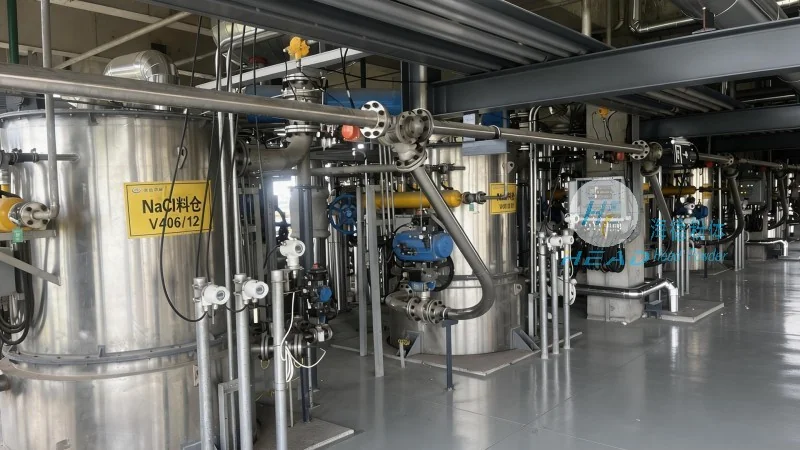
Operation Process: Step-by-Step Guide
The operation of the salt air-flow conveying system follows a systematic process to ensure efficient and safe material handling. The sequence begins with the preparation of the system, which includes checking the blower for proper operation and ensuring all air ducts are clear of obstructions. Next, the salt is fed into the hopper at a controlled rate, typically regulated by a variable speed drive. As the blower starts, it generates a high-pressure air stream that draws the salt particles into the ducts. The air and salt mixture travels through the pipeline network, with the velocity of the air sufficient to keep the salt in suspension. Upon reaching the destination, the mixture is deposited into a receiving hopper or storage silo, where the air is separated from the salt through a cyclone or filter system. The purified air is then discharged back into the environment, while the salt is collected for further processing.
Working Principle: How the System Transfers Salt
The working principle of the salt air-flow conveying system is based on the concept of pneumatic conveying, where the salt particles are suspended and transported by the air stream. The system operates under positive pressure, meaning the air pressure inside the ducts is higher than the ambient air pressure. This pressure differential creates a force that propels the salt particles forward. The velocity of the air is a critical factor; it must be high enough to overcome the gravitational force acting on the salt particles and maintain them in suspension. The system’s efficiency is influenced by several variables, including the air pressure, flow rate, and particle size of the salt. Proper design and maintenance of the components are essential to ensure consistent performance and minimize operational issues.
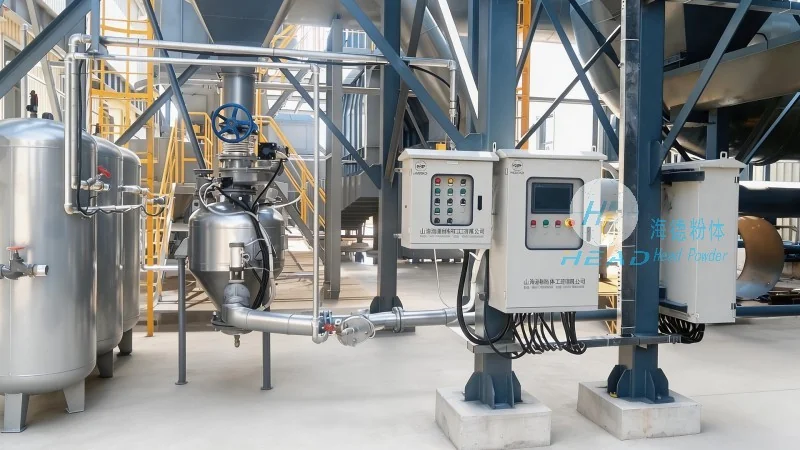
Benefits and Applications in the Salt Industry
The salt air-flow conveying system offers numerous advantages for industrial salt handling. It provides a dust-free and hygienic method of transporting salt, which is crucial for maintaining product quality and compliance with industry standards. The system is also highly flexible, allowing for the transportation of salt over long distances or through complex layouts without the need for multiple transfer points. Additionally, it reduces labor costs by automating the material handling process and minimizes the risk of accidents associated with manual handling. These benefits make the system ideal for applications in salt production, processing, and storage, where reliable and efficient transportation is essential.




