

Operation Process and Working Principle of Fine Sand Pneumatic Conveying System Equipment
Headpowder, a leading manufacturer based in Shandong, China, specializes in the design, development, and supply of advanced pneumatic conveying equipment tailored for handling fine sand and similar materials. The company's expertise lies in creating efficient systems that ensure reliable material transport while maintaining product integrity. This article delves into the operational process and underlying principles of fine sand pneumatic conveying systems, highlighting key components and their functions.
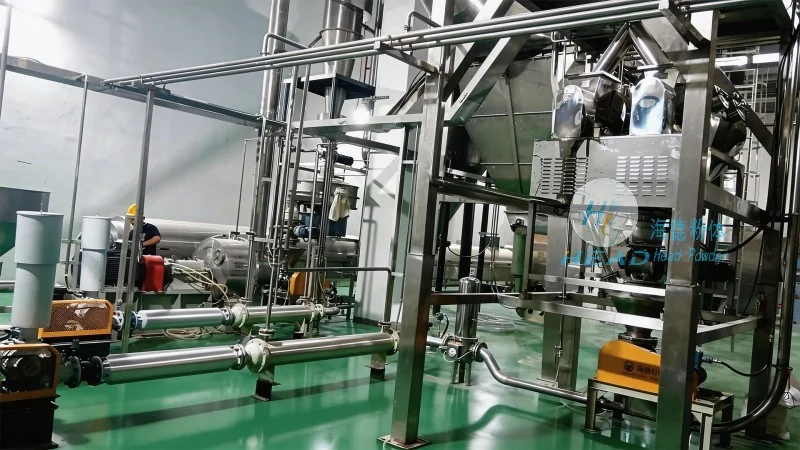
Key Components of a Fine Sand Pneumatic Conveying System
A typical fine sand pneumatic conveying system consists of several critical components that work in tandem to achieve effective material transport. The primary elements include a material hopper, a conveying pipeline, a blower or air compressor, a control valve, and a discharge outlet. Each component plays a vital role in the overall operation, ensuring smooth and continuous material flow. The material hopper is designed to store the fine sand, providing a consistent feed to the system. It is equipped with a feeding mechanism, such as a rotary valve or a screw feeder, which regulates the flow of material into the pipeline. The conveying pipeline, usually made of stainless steel or other corrosion-resistant materials, is responsible for transporting the sand particles through the system. The blower or air compressor generates the necessary air pressure to move the material, while the control valve adjusts the air flow and pressure to maintain optimal conveying conditions. The discharge outlet is where the material is released from the system, typically into a storage bin or processing unit.
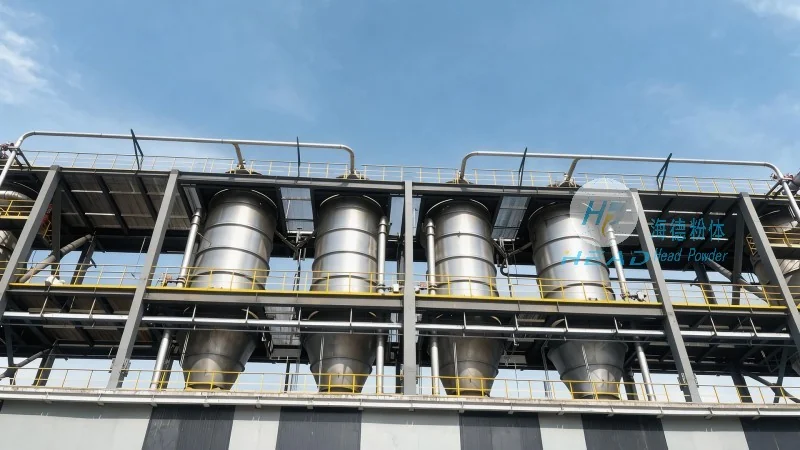
Operation Process of the Fine Sand Pneumatic Conveying System
The operation of a fine sand pneumatic conveying system follows a systematic sequence to ensure efficient material transport. The process begins with the loading of fine sand into the material hopper. The feeding mechanism then starts, gradually releasing the sand into the conveying pipeline. Simultaneously, the blower or air compressor activates, generating a stream of air that flows through the pipeline. As the air moves, it picks up the fine sand particles, creating a slurry-like mixture known as a "pneumatic stream." This mixture travels through the pipeline under the pressure of the air, moving towards the discharge outlet. The control valve monitors the air pressure and flow rate, adjusting them as needed to maintain a stable conveying rate. Once the mixture reaches the discharge outlet, the air and sand separate, with the air being released back into the system or exhausted, and the fine sand collected in the discharge bin. The entire process is automated, with sensors and controls ensuring consistent performance and preventing issues such as blockages or pressure fluctuations.
Working Principle of Pneumatic Conveying for Fine Sand
The working principle of a fine sand pneumatic conveying system is based on the fundamental concept of fluidization and air movement. The system utilizes compressed air to create a flow that transports the fine sand particles. The key principle is that the air pressure in the pipeline is sufficient to overcome the gravitational force acting on the sand particles, allowing them to be carried along with the air stream. The velocity of the air is critical; it must be high enough to keep the sand particles suspended but not so high as to cause excessive wear on the pipeline or components. The system operates under either positive pressure or negative pressure (suction) depending on the application. Positive pressure systems are commonly used for long-distance or high-capacity conveying, as they provide a consistent flow and are easier to maintain. Negative pressure systems, on the other hand, are suitable for applications where dust control is a priority, as they draw material from the source and exhaust air through a filter. The efficiency of the system depends on several factors, including the particle size and density of the fine sand, the air velocity, and the pipeline diameter. Proper design and maintenance are essential to ensure optimal performance and minimize energy consumption.
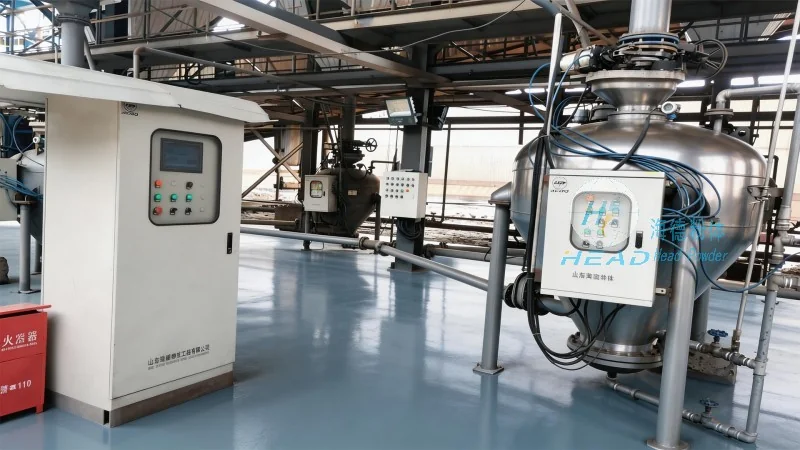
Advantages of Headpowder's Fine Sand Pneumatic Conveying Systems
Headpowder's fine sand pneumatic conveying systems offer several advantages that make them ideal for industrial applications. The systems are designed to handle fine sand with high efficiency, ensuring minimal loss and maximum throughput. The use of corrosion-resistant materials, such as stainless steel, ensures durability and longevity, even in harsh environments. The automated control systems provide consistent performance and reduce the need for manual intervention, improving operational efficiency. Additionally, the systems are equipped with safety features, such as pressure relief valves and dust filters, to ensure safe operation and compliance with environmental regulations. Headpowder's expertise in customizing systems to meet specific customer requirements ensures that clients receive tailored solutions that address their unique needs. The company's commitment to quality and innovation has made it a trusted partner in the industry, providing reliable and efficient pneumatic conveying solutions for various applications.