For agricultural operations that require efficient and reliable transport of potash fertilizer, pneumatic conveying machines offer a robust solution. These systems are designed to handle the bulk material with precision, ensuring minimal loss and optimal performance. As a leading manufacturer in the field, Shandong HeadPowder Engineering Co., Ltd. specializes in developing advanced pneumatic conveying equipment tailored to the specific needs of fertilizer handling.
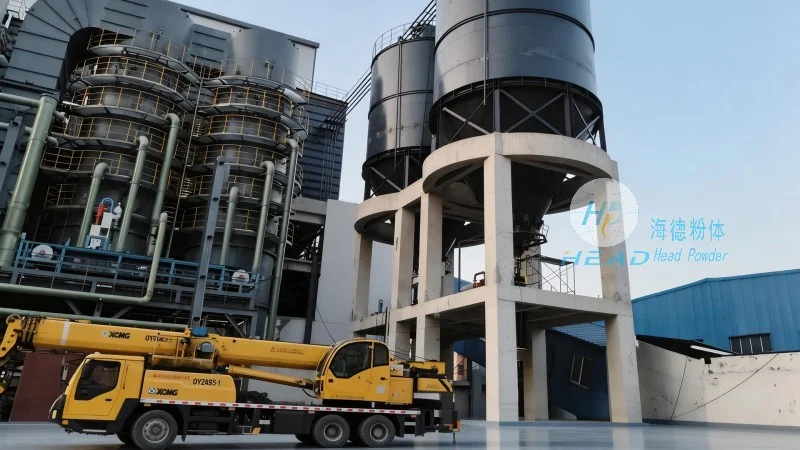
Key Components and Structure of the Pneumatic Conveying Machine
The potash fertilizer pneumatic conveying machine consists of several critical components that work in harmony to facilitate material transport. The system typically includes a hopper for material storage, a rotary valve or feeder to control the flow rate, a conveying pipeline, a blower or air compressor to generate the necessary air pressure, and a receiver or discharge unit. Each component is engineered to withstand the abrasive nature of potash fertilizer, ensuring long-term durability and low maintenance costs. The design incorporates features such as wear-resistant liners and adjustable air flow controls to enhance operational efficiency.
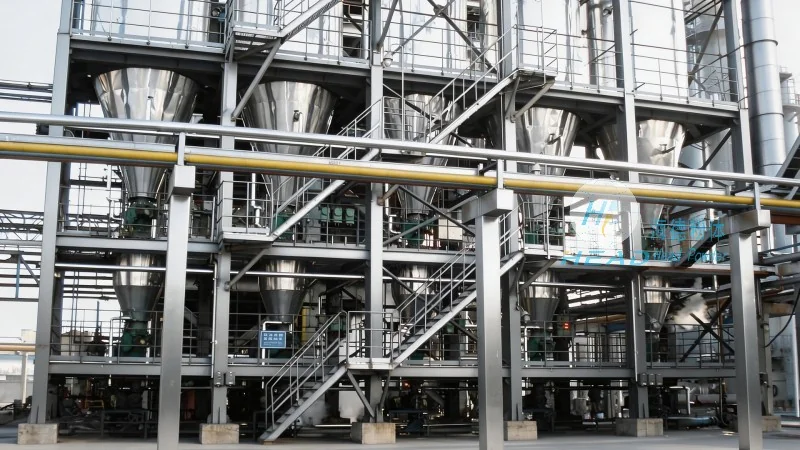
Working Principle of the Pneumatic Conveying Process
The operation of the potash fertilizer pneumatic conveying machine is based on the principle of air suspension. When the material is fed into the system, the blower generates a high-pressure air stream that lifts the potash particles and propels them through the pipeline. The air flow is carefully regulated to maintain a consistent velocity, preventing material settling or blockages. The conveying process is continuous, allowing for steady and controlled movement of the fertilizer from the storage area to the application point. The system can operate in both positive and negative pressure modes, providing flexibility for different application scenarios. The receiver at the end of the pipeline collects the potash fertilizer, ready for further processing or distribution.
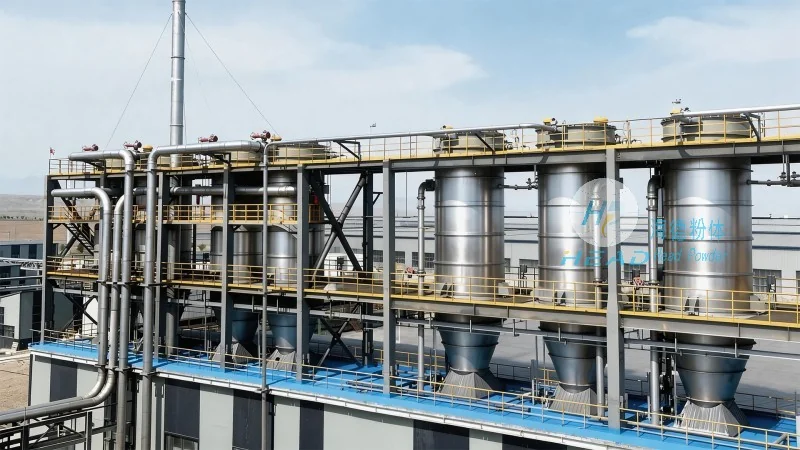
Step-by-Step Operation Process
The operation of the potash fertilizer pneumatic conveying machine follows a systematic sequence to ensure smooth and efficient material transport. First, the hopper is filled with potash fertilizer, and the rotary valve is activated to control the feed rate. Simultaneously, the blower is started, generating the required air pressure. The air stream then lifts the fertilizer particles from the hopper and transports them through the pipeline to the receiver. During the process, the system continuously monitors air pressure and flow rates to maintain optimal performance. If any blockage occurs, the machine’s safety features activate, automatically adjusting the air flow or stopping the feed to prevent damage. The receiver collects the fertilizer, and the cycle repeats as needed. This step-by-step process ensures consistent and reliable operation, minimizing downtime and maximizing productivity.
Advantages of Using Pneumatic Conveying for Potash Fertilizer
Implementing a pneumatic conveying system for potash fertilizer offers several advantages over traditional methods. The primary benefit is the reduction in material handling costs, as the system eliminates the need for manual loading and unloading. Additionally, the enclosed pipeline design prevents dust contamination and environmental pollution, ensuring compliance with safety and regulatory standards. The system also provides better control over material flow, reducing the risk of overloading or underloading. Furthermore, the compact design of the equipment saves space in storage facilities, making it suitable for both large-scale and small-scale agricultural operations. The low maintenance requirements and long service life of the components contribute to overall cost savings and operational efficiency.
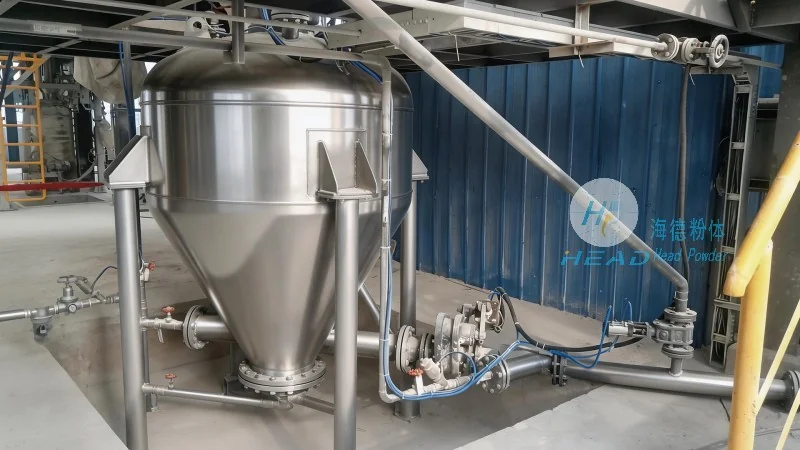
Customization and Application Flexibility
Shandong HeadPowder Engineering Co., Ltd. offers customized solutions for potash fertilizer pneumatic conveying machines to meet the diverse needs of agricultural clients. The company’s engineers work closely with customers to design systems that match specific production capacities, material characteristics, and operational requirements. Whether for bulk storage, transportation, or distribution, the equipment can be tailored to handle varying potash fertilizer types, including muriate of potash (MOP) and potassium chloride (KCl). The flexibility of the system allows for integration with existing agricultural infrastructure, minimizing installation time and costs. Additionally, the company provides technical support and maintenance services to ensure the long-term performance of the equipment, providing peace of mind to clients.




