

Operation Process and Working Principle of Heavy Calcium Pneumatic Conveying Equipment
Heavy calcium powder is a widely used industrial material in various sectors such as construction, plastics, and coatings. The efficient and reliable transportation of heavy calcium powder from storage to processing units is crucial for maintaining production efficiency and product quality. Pneumatic conveying systems, particularly those designed for heavy calcium powder, offer a solution that minimizes dust generation and ensures safe material handling. This article provides an in-depth look at the operation process and working principle of a heavy calcium pneumatic conveying machine, highlighting its key components, operational steps, and the benefits it offers to industrial applications.
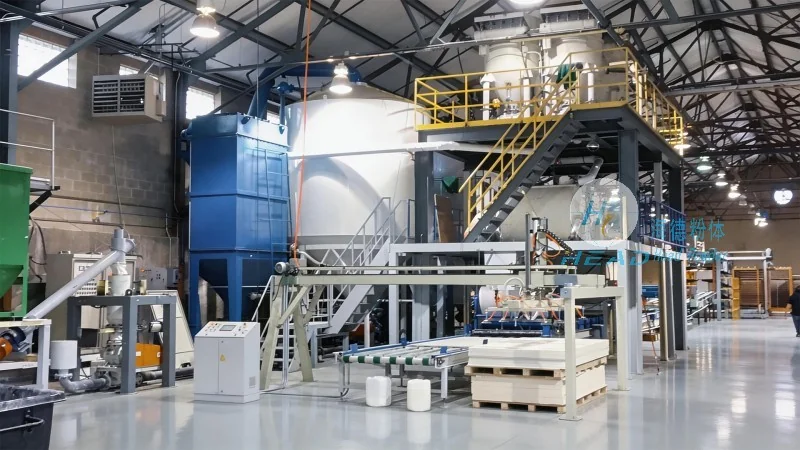
Key Components of the Heavy Calcium Pneumatic Conveying System
The heavy calcium pneumatic conveying system typically consists of several critical components that work in tandem to achieve effective material transport. The main components include a hopper for material storage, a feeder to control the flow rate, a conveying line (usually made of stainless steel or other corrosion-resistant materials to handle the abrasive nature of heavy calcium powder), a dust collector to capture and filter airborne particles, and a control system to manage the entire operation. Each component plays a vital role in ensuring the smooth and safe operation of the system.
Working Principle of the Pneumatic Conveying Process
The operation of a heavy calcium pneumatic conveying machine is based on the principle of air movement to transport bulk materials. The process begins with the material being fed from the hopper into the conveying line. A fan or blower generates a high-velocity airflow within the line, which creates a negative pressure that pulls the heavy calcium powder particles into the air stream. The powder is then carried through the conveying line to the destination point, such as a silo or processing equipment. The dust collector at the end of the line captures any residual particles, ensuring that the environment remains clean and safe. The control system monitors the pressure, flow rate, and other parameters to maintain optimal performance and prevent system failures.
Operation Process Step-by-Step
The operation of the heavy calcium pneumatic conveying system follows a systematic process that ensures consistent and efficient material transport. Here are the key steps involved:
1. Material Loading: The heavy calcium powder is loaded into the hopper from a bulk storage container. The hopper is designed with a sloped bottom to facilitate smooth material flow.
2. Feeder Activation: The feeder, usually a rotary valve or a screw feeder, is activated to control the flow rate of the material into the conveying line. This step ensures that the material is fed at a consistent rate, preventing overloading or underloading of the system.
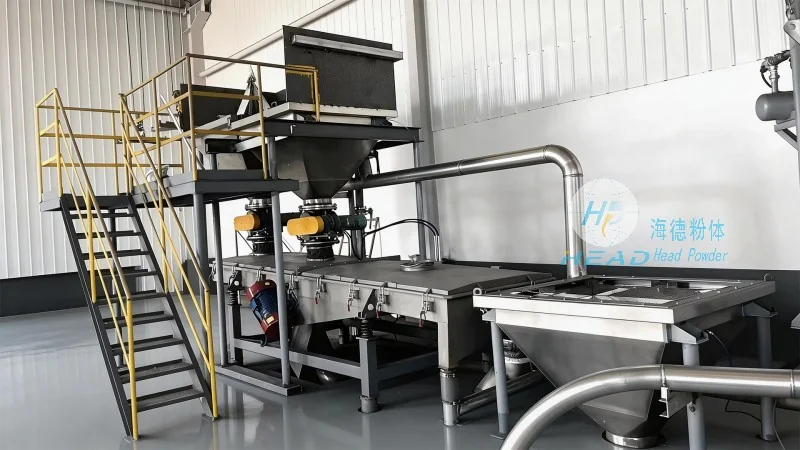
3. Airflow Generation: The fan or blower is started, generating a high-velocity airflow within the conveying line. The airflow creates a pressure differential that draws the material particles into the air stream.
4. Material Transport: The heavy calcium powder particles are carried by the airflow through the conveying line to the receiving hopper or processing unit. The length and diameter of the conveying line are carefully designed to ensure that the material reaches the destination without excessive pressure loss or particle degradation.
5. Dust Collection: At the end of the conveying line, the dust collector captures any residual particles that may have escaped the air stream. The collected dust is then discharged into a waste container or recycled back into the system.
6. System Monitoring and Control: The control system continuously monitors the pressure, flow rate, and other parameters to ensure that the system operates within optimal conditions. Any deviations are immediately detected and corrected to prevent system downtime or material loss.
Benefits and Advantages of Heavy Calcium Pneumatic Conveying
Implementing a heavy calcium pneumatic conveying system offers several advantages over traditional methods such as belt conveyors or manual handling. These benefits include:
1. Reduced Dust and Environmental Impact: The enclosed system minimizes dust generation, improving workplace safety and reducing environmental pollution.
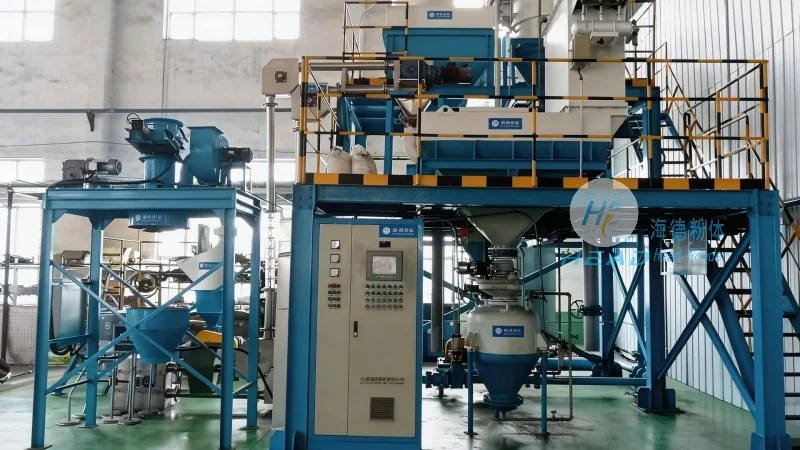
2. Increased Efficiency and Productivity: The automated process allows for continuous material transport, reducing downtime and increasing overall production efficiency.
3. Improved Material Quality: The enclosed system prevents contamination from external sources, ensuring that the heavy calcium powder remains pure and consistent in quality.
4. Space Efficiency: The pneumatic conveying system can be installed in a compact space, making it suitable for facilities with limited floor area.
5. Low Maintenance Requirements: With fewer moving parts compared to traditional conveyors, the system requires less maintenance, reducing operational costs.
Company Profile: Shandong HeadPowder Engineering Co., Ltd.
Shandong HeadPowder Engineering Co., Ltd., operating under the brand name headpowder, is a leading manufacturer of industrial conveying equipment specializing in heavy calcium powder handling solutions. With years of experience in the industry, the company has developed advanced pneumatic conveying systems that meet the highest standards of efficiency, reliability, and safety. Headpowder's products are designed to handle the unique challenges of heavy calcium powder, including its abrasive nature and tendency to generate dust. The company's commitment to quality and customer satisfaction has made it a trusted partner for businesses in various industries.