Shandong HeadPowder Engineering Co., Ltd., a leading manufacturer based in Shandong, China, specializes in the design, production, and supply of advanced PTFE pneumatic conveying systems. The company's expertise lies in delivering high-performance solutions tailored to various industrial applications, ensuring efficient material handling and reliable operation. HeadPowder Engineering is committed to quality and innovation, offering equipment that meets stringent industry standards and customer requirements.
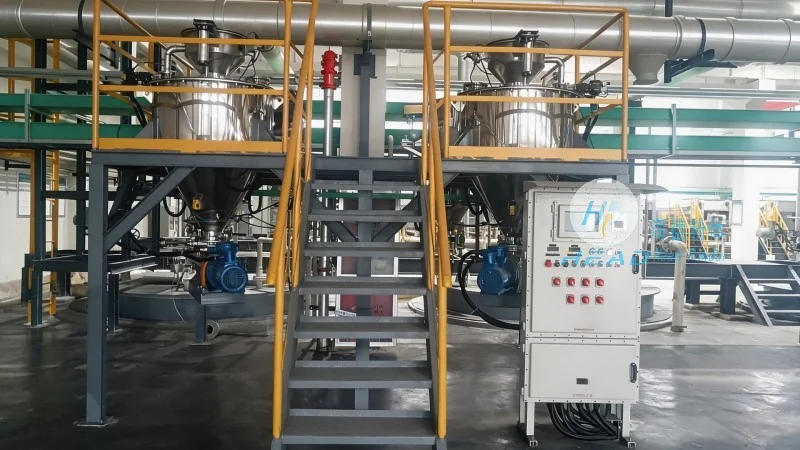
Overview of PTFE Pneumatic Conveying Machines
PTFE pneumatic conveying machines are engineered to transport dry bulk materials through an air stream. These systems are widely utilized in industries such as food processing, pharmaceuticals, chemicals, and mining due to their ability to handle diverse materials, including powders, granules, and fine particles. The PTFE material used in the construction of these machines offers exceptional chemical resistance, low friction, and thermal stability, making it ideal for conveying materials that are abrasive or sensitive to contamination. The equipment is designed to minimize material degradation and ensure consistent flow rates, which is crucial for maintaining product quality and process efficiency.
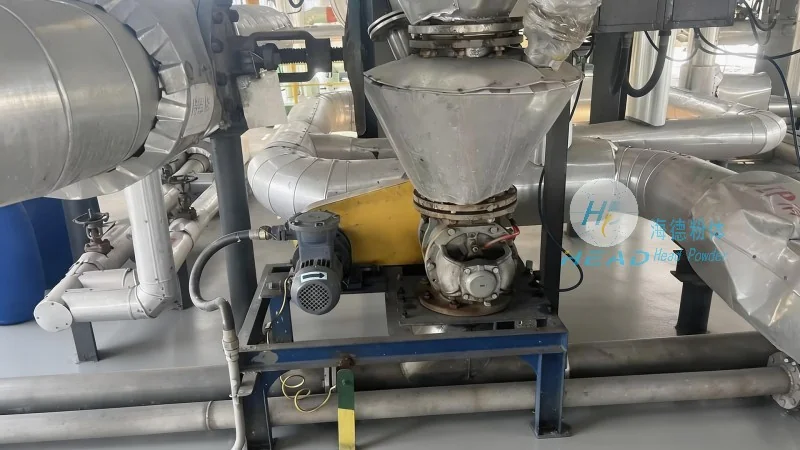
Working Principle of PTFE Pneumatic Conveying Machines
The operation of a PTFE pneumatic conveying machine is based on the principle of air pressure to move material. The system typically includes a hopper for material storage, a pneumatic conveying line, and a discharge outlet. When the material is fed into the hopper, an air compressor generates a high-pressure air stream. This air stream, combined with the material, is then propelled through the conveying line under controlled pressure and flow rates. The PTFE components, such as hoses, pipes, and valves, are chosen for their ability to withstand the abrasive nature of the conveyed materials, ensuring smooth material movement and reducing wear and tear. The conveying process can be either positive pressure or negative pressure. Positive pressure systems use compressed air to push the material, while negative pressure systems use suction to draw the material. The choice between the two depends on the application, material characteristics, and system layout. The PTFE material's low coefficient of friction and chemical inertness prevent material buildup and ensure that the system operates without clogging or blockages.
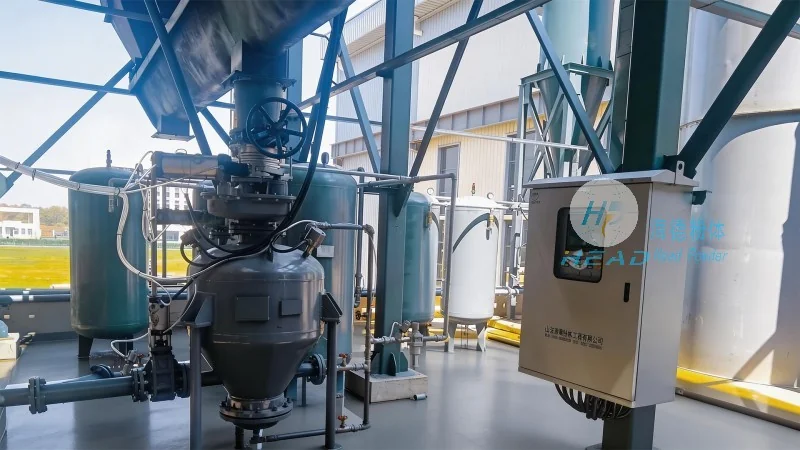
Operation Process of PTFE Pneumatic Conveying Equipment
The operation of a PTFE pneumatic conveying machine involves several sequential steps. First, the bulk material is loaded into the hopper. The hopper is equipped with a feeding mechanism, such as a screw feeder or a rotary valve, which regulates the material flow into the conveying line. Simultaneously, the air compressor starts and generates the necessary air pressure. The compressed air is then introduced into the conveying line, creating a flow that carries the material from the hopper to the discharge point. The system's control panel monitors and adjusts the air pressure and flow rate to maintain optimal conveying efficiency. During operation, the PTFE components ensure that the material moves smoothly without clogging or blockages. The discharge outlet is positioned at the desired location, and the material is released into a storage or processing unit. The entire process is automated, allowing for continuous and unattended operation, which enhances productivity and reduces labor costs. Regular maintenance, including checking air pressure, cleaning PTFE components, and inspecting for wear, is essential to ensure the system operates efficiently and reliably over time.
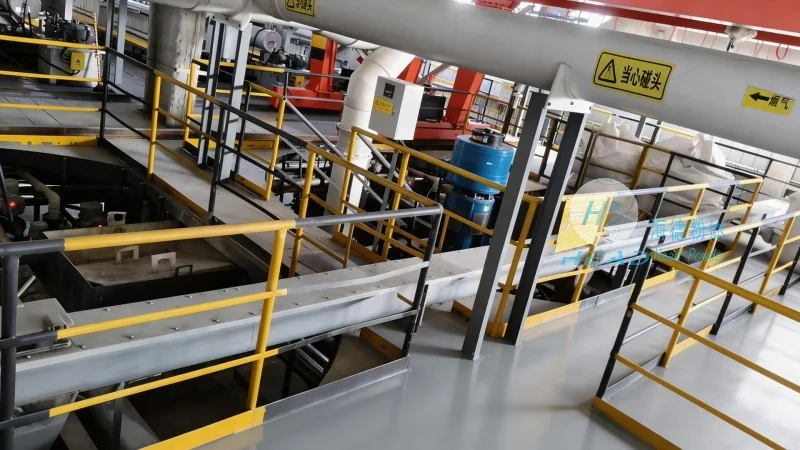
Key Features and Benefits of PTFE Pneumatic Conveying Machines
PTFE pneumatic conveying machines from Shandong HeadPowder Engineering Co., Ltd. offer several key features that enhance their performance and reliability. The use of PTFE material provides excellent chemical resistance, ensuring that the equipment can handle corrosive or aggressive materials without degradation. The low friction properties of PTFE reduce wear on system components, extending the equipment's service life. Additionally, the PTFE components are non-stick, preventing material buildup and clogging, which is critical for maintaining consistent flow rates. The machines are also designed for easy maintenance, with accessible components that can be cleaned or replaced quickly. The positive pressure and negative pressure options provide flexibility in system design, allowing for adaptation to different application requirements. The automated control systems ensure precise operation, minimizing human error and maximizing efficiency. Overall, these features make PTFE pneumatic conveying machines a cost-effective and reliable solution for bulk material handling.




