Positive pressure blown material pneumatic conveying equipment is a critical industrial solution for efficient material transport across diverse applications. This technology leverages compressed air to move bulk materials through a pipeline system, offering advantages such as high transport efficiency, low maintenance requirements, and the ability to handle a wide range of materials—including powders, granules, and small solid particles. The equipment operates by generating a positive pressure within the conveying line, propelling material from the source to the destination. This method is particularly effective where traditional mechanical conveyors may be impractical due to space constraints, material characteristics, or the need for enclosed transport to prevent dust emissions. Developed by Shandong HeadPowder Engineering Co., Ltd. (headpowder), this equipment exemplifies modern industrial solutions for material handling challenges.
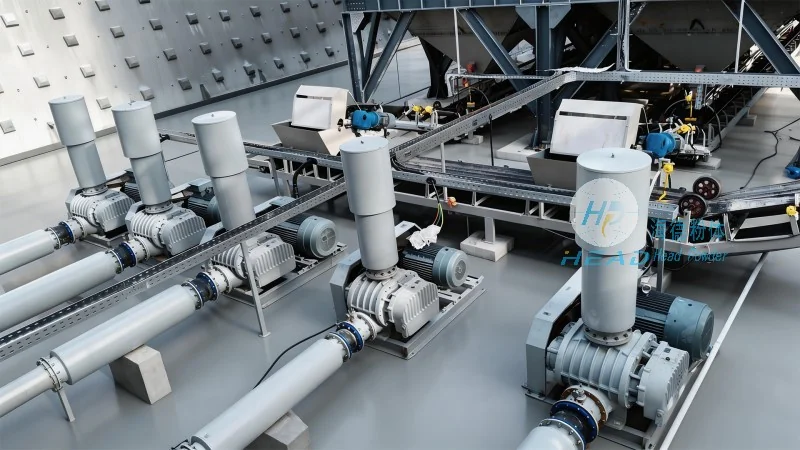
Working Principle of Positive Pressure Pneumatic Conveying Systems
The core principle of positive pressure pneumatic conveying involves the use of a blower or compressor to generate high-pressure air. This air is then introduced into the conveying line at the material source, where the material is introduced into the stream. The compressed air creates a flow that carries the material particles along the pipeline. The system typically includes components such as a hopper for material storage, a feeder to control the material flow rate, a blower or compressor to provide the necessary pressure, and a receiver at the destination to collect the conveyed material. The pressure differential between the source and destination drives the material movement, ensuring consistent and reliable transport. The design of the system is tailored to the specific material properties—such as particle size, density, and moisture content—to optimize performance and prevent blockages or system inefficiencies. This principle is fundamental to the operation of positive pressure systems, enabling them to deliver consistent material flow and high throughput.
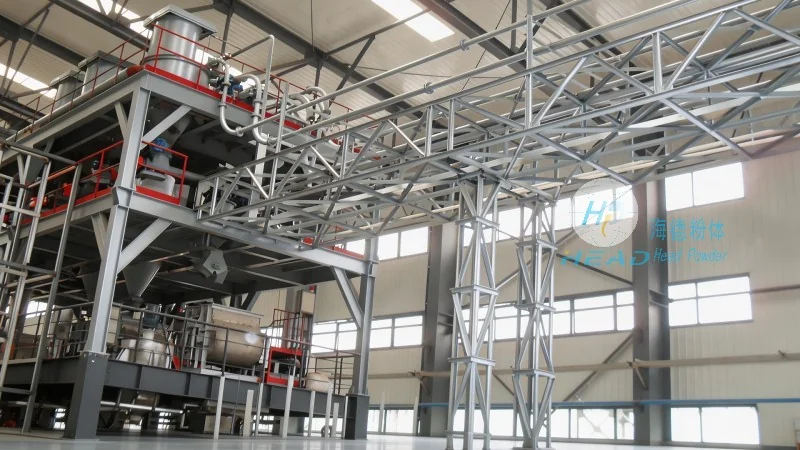
Key Working Scene Characteristics
The working scene characteristics of positive pressure pneumatic conveying equipment are defined by several critical factors that influence its application and effectiveness. One of the primary characteristics is the ability to handle diverse material types, from fine powders like cement or flour to bulk granules like grains or chemicals. This versatility makes the equipment suitable for a wide range of industries, including food processing, pharmaceuticals, chemicals, and mining. Another key characteristic is the enclosed transport system, which helps to contain dust and prevent environmental contamination, making it ideal for applications where dust control is a regulatory or operational requirement. The system also offers flexibility in terms of layout, as the conveying line can be arranged in various configurations—including vertical, horizontal, or a combination of both—to accommodate different facility layouts and material transport needs. Additionally, the positive pressure operation ensures that the material is transported under controlled conditions, reducing the risk of material degradation or loss during transit. The efficiency of the system is further enhanced by the ability to maintain consistent pressure and flow rates, which minimizes energy consumption and operational costs. These characteristics make positive pressure pneumatic conveying a preferred choice for industries seeking reliable, dust-free material transport solutions.
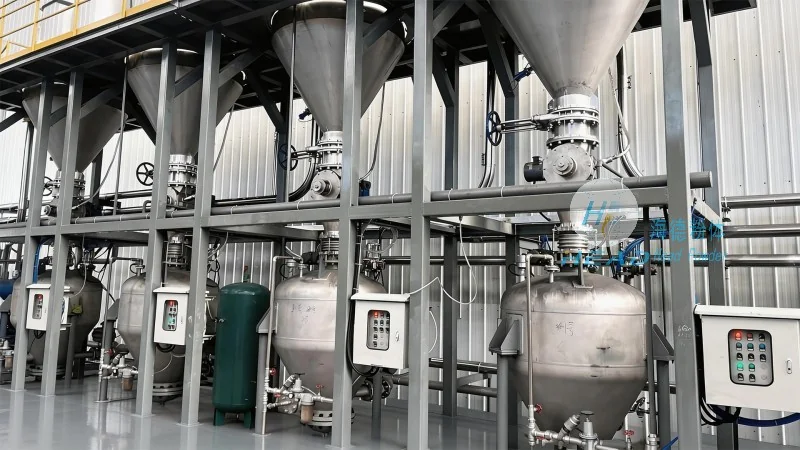
Applications and Industry Integration
Positive pressure pneumatic conveying equipment is widely used in various industrial sectors due to its adaptability and efficiency. In the food industry, for example, it is used to transport ingredients such as flour, sugar, and spices while maintaining hygiene standards and preventing cross-contamination. The pharmaceutical industry benefits from the enclosed system, which ensures that materials are handled in a sterile environment, meeting regulatory requirements for product quality and safety. In the chemical industry, the equipment is used to transport powders and granules, such as fertilizers or pigments, where dust control and material integrity are crucial. The mining sector also utilizes this technology for transporting ore and other minerals from processing plants to storage or processing facilities. The equipment's ability to handle abrasive materials and its low maintenance requirements make it a preferred choice in these applications. Furthermore, the system's flexibility allows it to be integrated into existing production lines with minimal disruption, enhancing overall operational efficiency. Shandong HeadPowder Engineering Co., Ltd. (headpowder) has successfully implemented these systems in numerous projects across China, demonstrating the technology's reliability and effectiveness in real-world industrial settings.
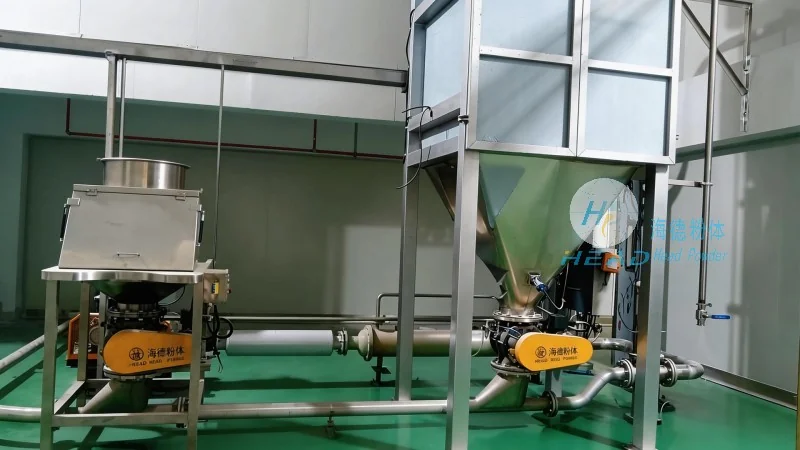
Advantages and Considerations for Implementation
Implementing positive pressure pneumatic conveying systems offers several advantages that make it a valuable investment for industrial operations. One of the main advantages is the high transport efficiency, as the system can move large volumes of material over long distances with minimal energy consumption compared to traditional conveyors. The enclosed design also reduces the risk of material spillage and dust exposure, improving workplace safety and environmental compliance. Additionally, the system is relatively low maintenance, with components such as the blower and feeder requiring periodic checks rather than frequent replacements. However, there are considerations to keep in mind when implementing this technology. The initial investment cost can be higher than other conveyor systems, and the system may require more space for the blower and receiver units. Furthermore, the material properties, such as particle size and moisture content, must be carefully considered to ensure optimal performance and prevent system blockages. Proper system design and material selection are essential to achieve the desired efficiency and reliability. Shandong HeadPowder Engineering Co., Ltd. (headpowder) provides comprehensive support, including design, installation, and maintenance services, to help clients navigate these considerations and maximize the benefits of positive pressure pneumatic conveying.




