Clay ash powder, a common industrial material, often requires efficient and reliable transportation methods to ensure smooth production processes. Pneumatic conveying lines, particularly those designed for clay ash powder, offer a sophisticated solution that combines technology and practicality. This article delves into the principle of clay ash powder pneumatic conveying lines and explores the key characteristics of their working scenes, providing insights into how such systems enhance operational efficiency in industrial settings.
Company Profile: HeadPowder Engineering
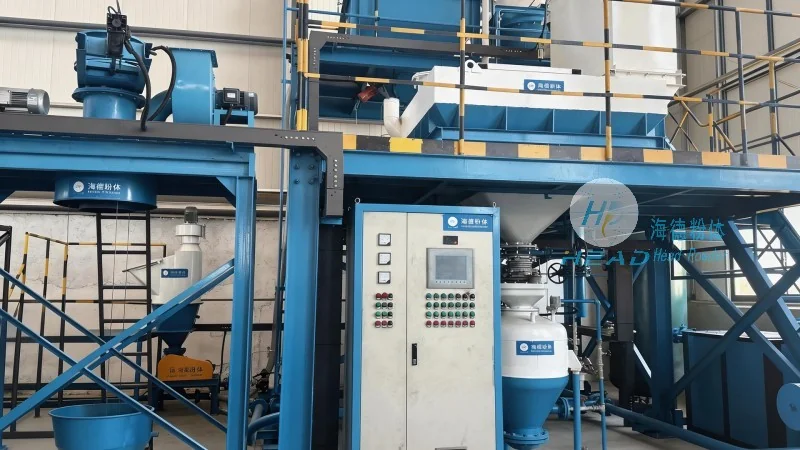
HeadPowder Engineering, a leading provider in the field, specializes in the design, manufacturing, and implementation of advanced pneumatic conveying systems. With a strong presence in Shandong, China, the company has built a reputation for delivering high-quality solutions tailored to the unique needs of industrial clients. Their expertise lies in optimizing material handling processes, ensuring safety, and maximizing productivity for various applications involving clay ash powder and similar fine powders.
The Principle of Pneumatic Conveying for Clay Ash Powder
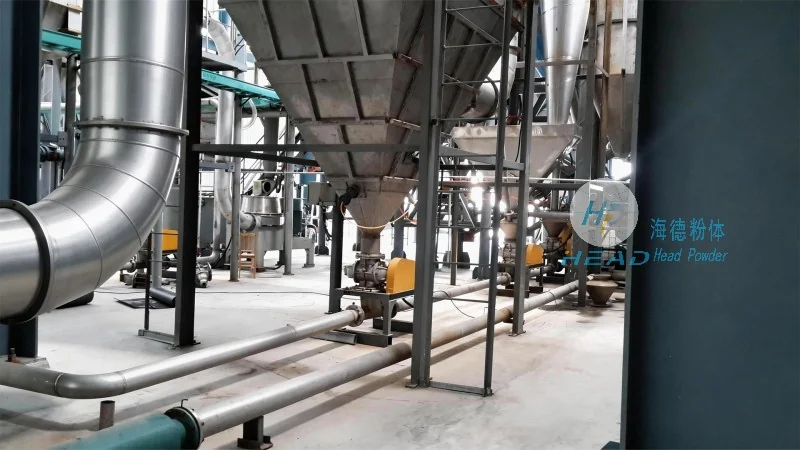
Pneumatic conveying systems operate on the fundamental principle of using air or gas to transport particulate materials through a pipeline. In the case of clay ash powder, the system typically involves a combination of positive and negative pressure or a vacuum-assisted mechanism. The process begins with the material being fed into a hopper or feeder, where it is then introduced into the conveying line. A fan or blower generates the necessary airflow, which propels the powder particles through the pipeline. The design of the conveying line, including the choice of pipeline diameter, material, and the configuration of components like bends, valves, and filters, is critical to maintaining the efficiency and stability of the system. The principle ensures that the powder is transported without the need for mechanical components that might cause wear or contamination, making it suitable for sensitive materials like clay ash.
Key Working Scene Characteristics of Clay Ash Powder Pneumatic Conveying Lines
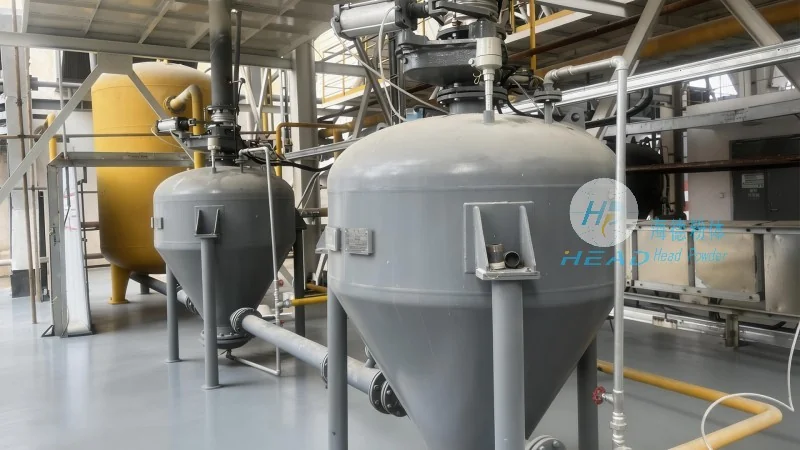
The working scene characteristics of clay ash powder pneumatic conveying lines are shaped by several factors that influence their performance and suitability for different industrial applications. First, the system's ability to handle fine, dry powders without caking or agglomeration is a primary consideration. The design of the conveying line, including the use of appropriate air velocities and pipeline geometry, helps maintain the powder's flowability and prevents blockages. Second, the system's adaptability to varying material properties is crucial. Clay ash powder can have different particle sizes, moisture content, and bulk densities, and the conveying line must be configured to accommodate these variations. Third, the integration of the system with existing production lines is a key factor. Pneumatic conveying lines can be seamlessly integrated with other equipment, such as mixers, storage silos, and processing units, to create a cohesive material handling system. Fourth, the emphasis on safety and environmental compliance is evident in the design. The system includes features like dust collection and filtration to minimize airborne particles and ensure a clean working environment. Finally, the system's energy efficiency and operational costs are important considerations for long-term use. Advanced designs optimize air usage and reduce energy consumption, making the system cost-effective over time.
Applications and Benefits in Industrial Settings
The application of clay ash powder pneumatic conveying lines spans various industries, including power generation, construction, and chemical processing. In power plants, for example, the system is used to transport fly ash from boilers to storage facilities or for reutilization in cement production. The benefits of using such a system include reduced labor costs, minimized material loss, and improved safety by eliminating manual handling of powders. In construction, the system can transport clay ash for use as a raw material in cement or as a filler in concrete mixes. The advantages here include consistent material quality, reduced handling time, and enhanced productivity. In chemical processing, the system may be used to transport clay ash as an ingredient in the production of various products, such as paints or coatings. The benefits include precise material control, reduced contamination risk, and improved process reliability. Overall, the use of pneumatic conveying lines for clay ash powder offers significant advantages in terms of efficiency, safety, and cost-effectiveness, making it a preferred choice for modern industrial operations.
Conclusion
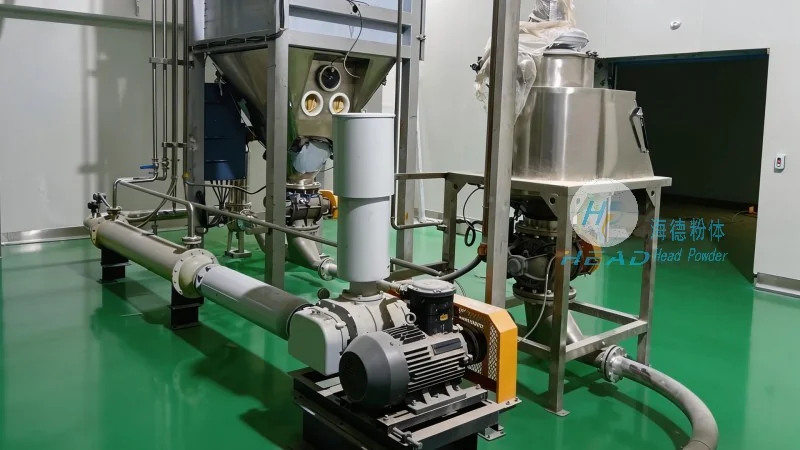
In conclusion, the principle of clay ash powder pneumatic conveying lines is based on the effective use of air to transport fine powders, while the working scene characteristics highlight the system's adaptability, efficiency, and safety features. HeadPowder Engineering, with its expertise and presence in Shandong, China, plays a vital role in providing these advanced systems to industrial clients. The integration of such systems into production processes not only enhances operational efficiency but also contributes to a safer and more sustainable industrial environment. As industries continue to seek innovative solutions for material handling, the clay ash powder pneumatic conveying line remains a reliable and essential component of modern industrial operations.




