HeadPowder, a leading engineering firm based in Shandong, China, specializes in the design, manufacturing, and installation of advanced pneumatic conveying systems for grain and powder handling. This article delves into the fundamental principles of grain powder pneumatic conveying lines and highlights the key characteristics of their operational environments.
Understanding the Core Principle of Pneumatic Conveying Systems
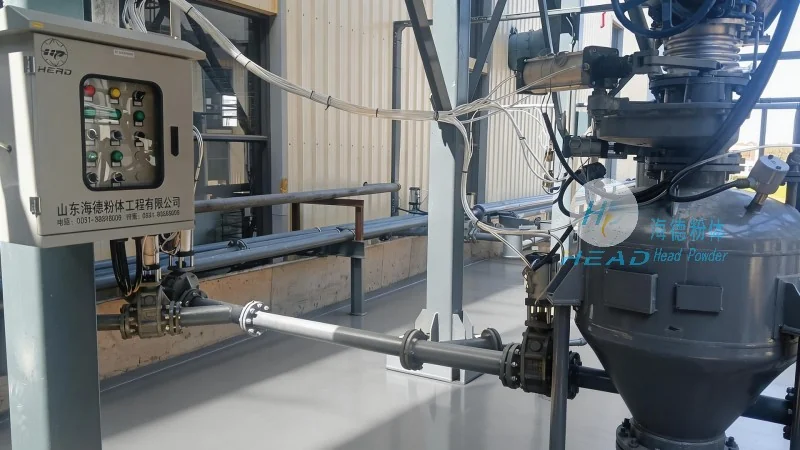
Pneumatic conveying lines operate on the principle of transporting bulk materials, such as grains, through a pipeline using a gas stream, typically air or a mixture of air and other gases. The system relies on the creation of a pressure differential or vacuum to move the material from the source to the destination. There are two primary types of pneumatic conveying: pressure and vacuum systems. Pressure systems use compressed air to push the material forward, while vacuum systems employ a vacuum to draw the material into the pipeline. The choice between these systems depends on factors like material properties, distance, and the required flow rate.
Key Working Scene Characteristics of Grain Powder Pneumatic Conveying Lines
The operational environment of grain powder pneumatic conveying lines is characterized by several critical aspects that influence system performance and efficiency. Firstly, the system is designed to handle a wide range of grain types, including wheat, corn, rice, and other bulk agricultural products. The material's density, moisture content, and flowability are carefully considered during the system design to ensure smooth and consistent transport. Secondly, the conveying distance and elevation changes are significant factors. The system can handle long distances and vertical lifts, making it suitable for large-scale agricultural and food processing facilities. Thirdly, the system's ability to maintain material integrity is paramount. Pneumatic conveying minimizes material degradation, contamination, and dust generation compared to other methods like belt conveyors or bucket elevators. This is crucial for maintaining the quality of the grain, especially for food-grade applications. Additionally, the system's flexibility allows for easy integration with existing processing lines, enabling seamless material transfer between storage, processing, and packaging stages.
Application Scenarios and Industry Relevance
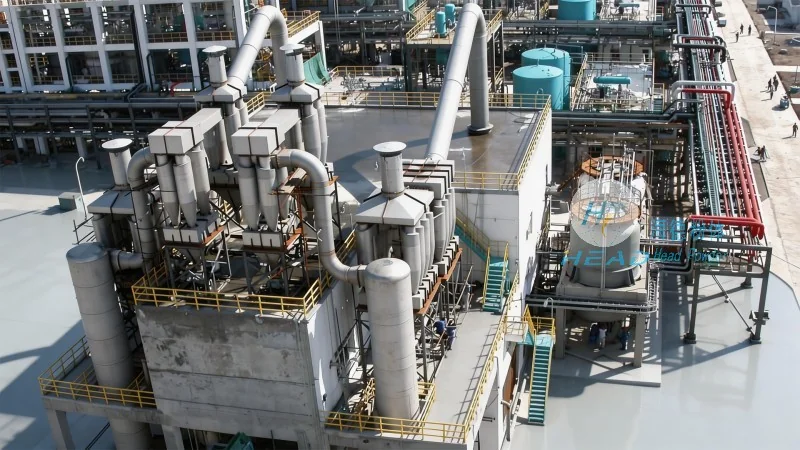
Grain powder pneumatic conveying lines are widely used in various industrial settings, particularly in the agricultural and food processing sectors. In grain storage facilities, these systems efficiently transfer harvested grains from storage silos to processing plants or distribution centers. In flour mills, they transport raw grains to grinding units and then move the resulting flour to packaging areas. The system's ability to handle large volumes and maintain product quality makes it indispensable in these applications. Furthermore, in feed manufacturing plants, pneumatic conveying lines are used to transport raw materials like corn and soybeans to mixing and extrusion equipment. The consistent and hygienic transport of these materials is essential for producing high-quality animal feed. The versatility of the system also extends to other industries, such as chemical and pharmaceutical processing, where fine powders need to be handled with precision and care.
Advantages and Considerations for Implementing Pneumatic Conveying Systems
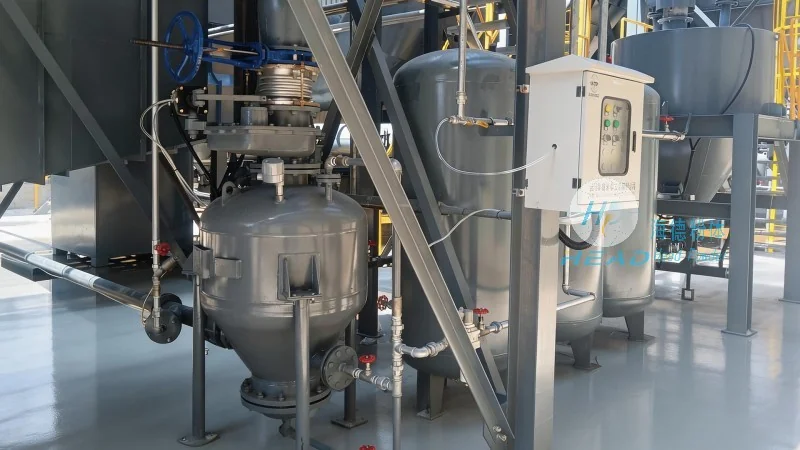
Implementing a grain powder pneumatic conveying line offers several advantages over traditional material handling methods. The primary benefit is the reduction in labor costs and operational time, as the system automates the material transfer process. Additionally, the system minimizes material handling losses and reduces the risk of product contamination, which is critical for maintaining food safety standards. The compact design of the system allows for efficient use of space, which is particularly beneficial in facilities with limited floor area. However, there are also considerations to keep in mind. The initial investment cost of a pneumatic conveying system can be higher than other methods, and the system requires regular maintenance to ensure optimal performance. The selection of the appropriate air pressure and flow rate is also crucial to prevent material degradation or system wear. Despite these considerations, the long-term benefits, including increased efficiency and product quality, make pneumatic conveying a preferred choice for many industries.
Conclusion
Grain powder pneumatic conveying lines, as exemplified by the solutions offered by Shandong HeadPowder Engineering Co., Ltd., represent a sophisticated and efficient method for handling bulk materials. By understanding the core principles and operational characteristics of these systems, industries can make informed decisions about implementing pneumatic conveying to enhance their material handling processes. The system's ability to maintain product quality, handle large volumes, and integrate seamlessly with existing operations makes it a valuable asset for modern agricultural and food processing facilities.




