

Principle and Working Scene Characteristics of Synthetic Fiber Powder Pneumatic Conveying Lines
For industrial applications involving synthetic fiber powders, efficient and reliable material handling is crucial. The synthetic fiber powder pneumatic conveying line, a specialized system designed to transport these materials through air pressure, offers a solution that balances performance, safety, and operational efficiency. This article explores the underlying principles of such systems and highlights the key characteristics of their working environments, providing insights into how these technologies are applied in real-world industrial settings.
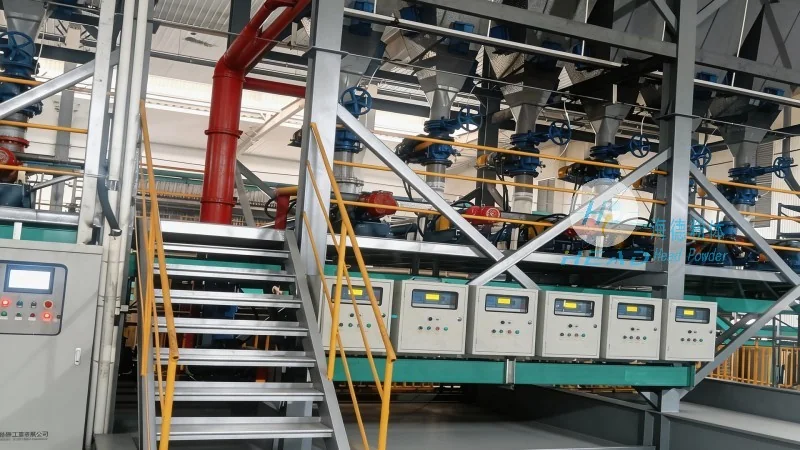
Company Overview: Shandong HeadPowder Engineering Co., Ltd.
HeadPowder, the professional provider of pneumatic conveying solutions, is a leading company based in Shandong, China. With a strong commitment to innovation and quality, HeadPowder specializes in designing, manufacturing, and implementing advanced material handling systems tailored to the unique needs of the synthetic fiber industry. The company’s expertise lies in understanding the specific challenges associated with handling fine powders and fibers, ensuring that their solutions meet the highest standards of performance and reliability. HeadPowder’s operational base in Shandong positions it as a trusted partner for businesses seeking to optimize their material transport processes.
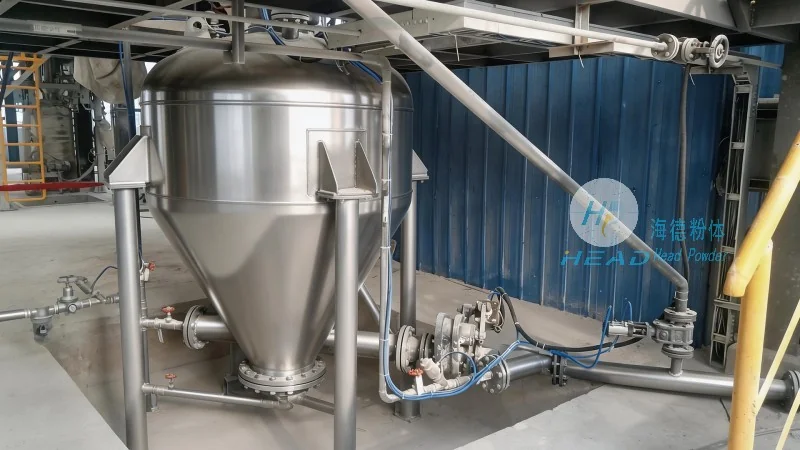
The Principle of Pneumatic Conveying for Synthetic Fiber Powders
The core principle of pneumatic conveying involves using air or gas to transport bulk materials, such as synthetic fiber powders, through a closed pipeline system. This method relies on the creation of a pressure differential between the inlet and outlet of the system, which propels the material forward. There are primarily two types of pneumatic conveying systems: pressure and vacuum. Pressure systems use compressed air to push the material through the pipeline, while vacuum systems employ suction to draw the material from the source. For synthetic fiber powders, which are often light and prone to dust, the choice of system depends on factors like material properties, distance, and the required flow rate. The design of the conveying line, including the selection of appropriate components like airlocks, cyclones, and filters, is critical to ensure efficient and unobstructed material transport. The system typically starts with a hopper or storage bin where the synthetic fiber powder is loaded. An air compressor or vacuum pump generates the necessary pressure or vacuum, and the material is then drawn or pushed through the pipeline to the destination, such as a processing unit or storage tank. The entire process is controlled by a series of valves and sensors that monitor pressure, flow, and material level, ensuring smooth and continuous operation.
Key Working Scene Characteristics and Applications
The working scene characteristics of synthetic fiber powder pneumatic conveying lines vary based on the specific industrial application. These systems are commonly used in environments where traditional mechanical conveying methods are less effective or impractical. For instance, in textile manufacturing, synthetic fiber powders are often used as raw materials for producing fabrics and other textile products. The pneumatic conveying line can efficiently transport these powders from storage to processing equipment, such as mixing machines or extruders, without the need for manual handling or complex machinery. Another key application is in the production of composite materials, where synthetic fibers are combined with other components to create lightweight and durable products. The conveying system ensures that the synthetic fiber powder is delivered to the mixing or molding equipment in a controlled manner, maintaining consistent material quality. Additionally, in the chemical and pharmaceutical industries, synthetic fiber powders may be used as additives or fillers. The pneumatic conveying line provides a hygienic and dust-free method of transporting these materials, which is essential for maintaining product purity and adhering to regulatory standards. The working scene also includes considerations like the scale of operation, with some systems designed for small-scale laboratory use and others for large-scale industrial production. The flexibility of pneumatic conveying allows it to adapt to different working environments, from cleanroom facilities to heavy-duty manufacturing plants. The characteristics of the working environment, such as the need for high-purity materials or the requirement for minimal material loss, influence the design and implementation of the conveying line. For example, in pharmaceutical applications, the system may include additional filtration and cleaning steps to ensure that the synthetic fiber powder remains free from contaminants. Similarly, in high-volume manufacturing, the system may be equipped with larger hoppers and higher-capacity air compressors to handle increased material throughput. The working scene also involves the integration of the conveying line with other production equipment, such as conveyor belts or automated processing units, to create a seamless material flow. This integration is crucial for maintaining production efficiency and reducing downtime. The characteristics of the working environment, including temperature, humidity, and air quality, also play a role in the design of the pneumatic conveying system. For instance, in environments with high humidity, the system may include drying components to prevent moisture absorption by the synthetic fiber powder, which could affect its properties. In dusty or high-temperature settings, the system may be equipped with additional safety features, such as explosion-proof designs or dust suppression mechanisms, to ensure operational safety. Overall, the working scene characteristics of synthetic fiber powder pneumatic conveying lines are tailored to meet the specific demands of the application, ensuring that the system operates effectively and reliably in its intended environment.
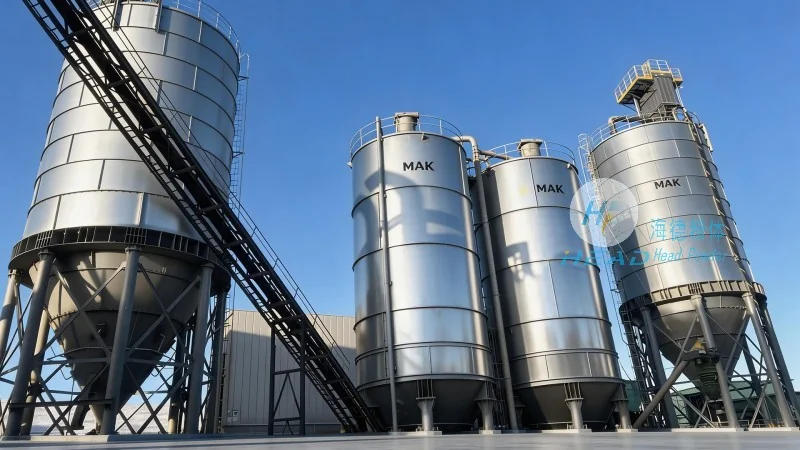
Technical Advantages and Practical Implementation
Implementing a synthetic fiber powder pneumatic conveying line offers several technical advantages that make it a preferred choice for many industries. One of the primary benefits is the ability to transport materials in a closed system, which minimizes dust exposure and improves workplace safety. This is particularly important for synthetic fiber powders, which can be fine and easily airborne, posing health risks if not handled properly. The closed system also helps maintain the purity of the material, preventing contamination from external sources. Another advantage is the flexibility of the system, which can be adjusted to handle different types of synthetic fiber powders, including those with varying particle sizes and moisture content. The modular design of the conveying line allows for easy expansion or modification as production needs change. This adaptability is a significant advantage for businesses that may need to scale their operations or introduce new materials over time. The system also offers energy efficiency compared to traditional mechanical conveying methods, as it uses air pressure to move the material rather than mechanical components like belts or chains. This reduces energy consumption and operational costs. Additionally, the pneumatic conveying line provides a consistent and controlled flow of material, which is essential for maintaining product quality and preventing variations in the final product. The system’s ability to handle fine powders without clogging or blockages is another key advantage, as these materials can be prone to sticking to surfaces or forming clumps. The use of airlocks and other components ensures that the material is transported smoothly and without interruption. Practical implementation of the synthetic fiber powder pneumatic conveying line involves careful planning and design to ensure that all components are compatible with the specific material being handled. The selection of the appropriate air compressor or vacuum pump is critical, as it must be capable of generating the necessary pressure or vacuum to move the synthetic fiber powder through the pipeline. The pipeline design, including the diameter and length of the pipes, is also important to ensure efficient material transport and minimize pressure losses. The placement of airlocks and cyclones is another key consideration, as these components help separate the material from the air and prevent material buildup in the system. Regular maintenance is essential to keep the system operating at optimal levels, including cleaning of filters, checking for leaks, and replacing worn components. The integration of sensors and control systems allows for real-time monitoring of the conveying process, enabling operators to quickly identify and address any issues that may arise. Overall, the technical advantages of the synthetic fiber powder pneumatic conveying line, combined with proper implementation and maintenance, make it a reliable and efficient solution for material handling in various industrial applications.