

Principle and Working Scene Characteristics of Grass Material Powder Pneumatic Conveying Lines
HeadPowder, a leading manufacturer based in Shandong, China, specializes in the design and implementation of advanced pneumatic conveying systems for handling grass materials and other fine powders. This article delves into the fundamental principles of such systems and highlights the key characteristics of their operational environments.
Core Principle of Pneumatic Conveying Systems
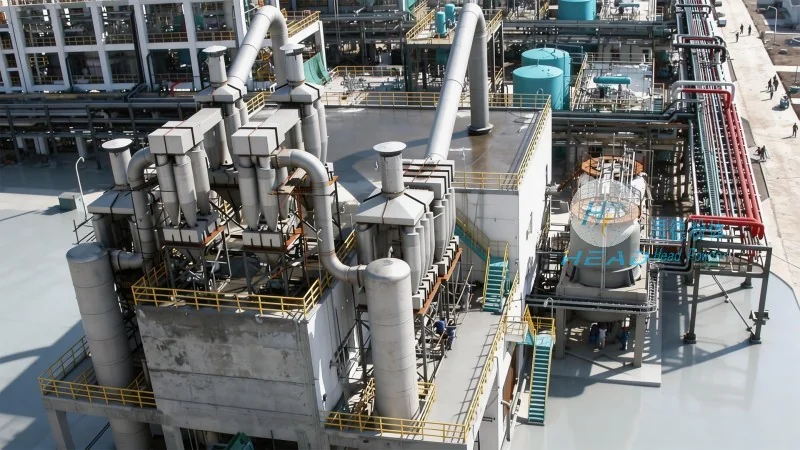
The core principle of a grass material powder pneumatic conveying line is the use of compressed air to transport dry, bulk materials through a pipeline. The system typically comprises a series of components, including a material feed hopper, a rotary valve, a conveying pipeline, a dust separator, and a receiving hopper. As the material is fed into the system, it is drawn into the pipeline by the air flow, which carries the particles through the entire conveying path. The compressed air, often generated by a blower or compressor, provides the necessary pressure and velocity to move the material efficiently. The design of the system is critical to ensure that the material is conveyed without degradation, clogging, or excessive pressure loss.
Key Components and Their Functions
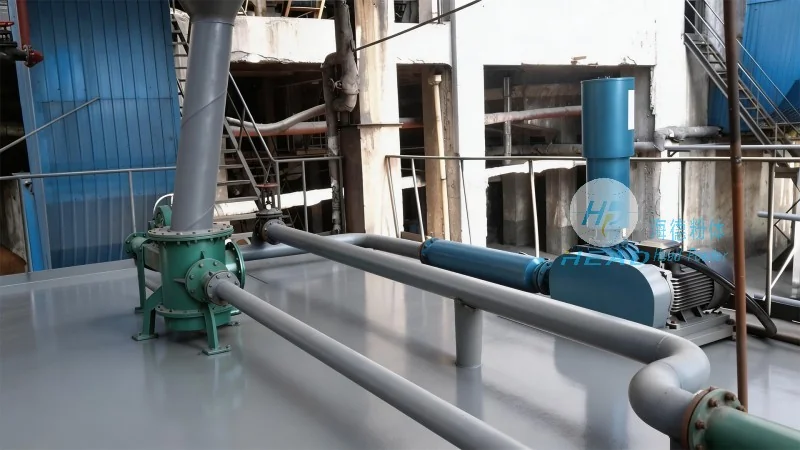
Each component in the pneumatic conveying line plays a vital role in the overall operation. The material feed hopper stores the grass material and provides a controlled feed rate to the system. The rotary valve, also known as a feeder, regulates the flow of material into the pipeline, preventing backflow and ensuring a consistent feed. The conveying pipeline, usually made of stainless steel or other corrosion-resistant materials, transmits the material and air mixture. The dust separator, often a cyclone or bag filter, separates the material from the air stream, allowing the clean air to be recirculated or discharged, while the material is collected in the receiving hopper. The blower or compressor supplies the necessary air pressure and volume to drive the conveying process.
Working Scene Characteristics
The operational environment of a grass material powder pneumatic conveying line is characterized by several key factors that influence system performance and efficiency. Firstly, the material properties, such as particle size, moisture content, and density, are critical. Grass materials, being lightweight and often fibrous, require specific air velocities and pressure levels to ensure smooth transport. The system must be designed to handle variations in material characteristics, such as changes in moisture or particle size, to maintain consistent performance. Secondly, the system's capacity and throughput are important considerations. The conveying line is typically used in applications where large volumes of material need to be transported over short or medium distances, such as in agricultural processing facilities, feed mills, or biomass processing plants. The system's ability to handle high throughput without clogging or pressure buildup is essential for maintaining operational efficiency. Thirdly, the system's energy efficiency is a significant factor. The use of compressed air can be energy-intensive, and modern systems incorporate features like variable speed blowers and optimized pipeline designs to reduce energy consumption while maintaining performance. Additionally, the system's reliability and maintenance requirements are important. The components, especially the rotary valve and dust separator, require regular maintenance to prevent clogging and ensure long-term operation. The system's design should incorporate easy access points for maintenance and cleaning to minimize downtime.
Application Scenarios and Benefits
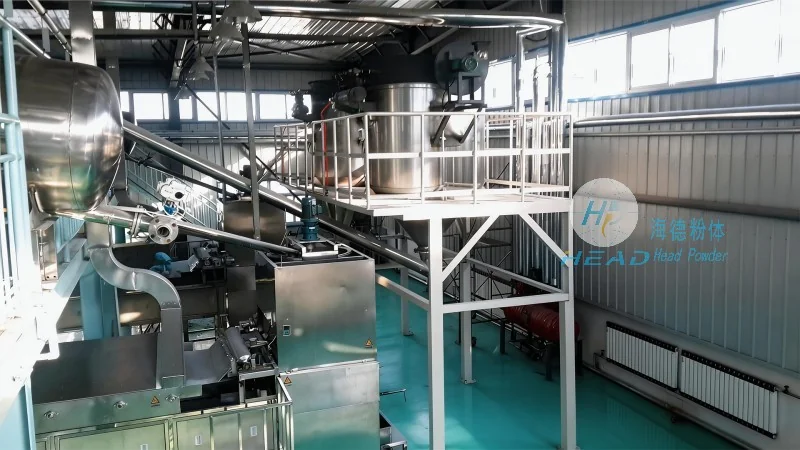
Grass material powder pneumatic conveying lines are widely used in various industrial and agricultural applications. One common application is in the processing of grass for animal feed. In feed mills, the system can transport grass material from storage silos to mixing and processing equipment, ensuring a consistent and efficient feed supply. Another application is in biomass processing, where the system is used to transport grass material to boilers or other energy conversion systems. The system's ability to handle fibrous and lightweight materials makes it ideal for these applications. The benefits of using a pneumatic conveying system for grass materials include improved material handling efficiency, reduced labor costs, and minimized material degradation. The system can transport materials over long distances without the need for intermediate storage or handling, which reduces the risk of contamination and spoilage. Additionally, the system's enclosed design helps to prevent dust emissions and maintain a clean working environment.
Conclusion
HeadPowder's grass material powder pneumatic conveying lines are designed to meet the specific needs of various industries, providing efficient and reliable transport of grass materials and other fine powders. By understanding the core principles and working scene characteristics of these systems, users can select and operate the most suitable equipment for their applications. The advanced design and components of these systems ensure high performance, energy efficiency, and long-term reliability, making them a preferred choice for material handling in agricultural and industrial settings.