

Principle and Working Scene Characteristics of Sodium Chloride Powder Pneumatic Conveying Line
HeadPowder, a leading engineering company based in Shandong, China, specializes in the design and implementation of advanced pneumatic conveying systems for various industrial applications. This article delves into the fundamental principles of sodium chloride powder pneumatic conveying lines and highlights the key characteristics of their operational scenarios.
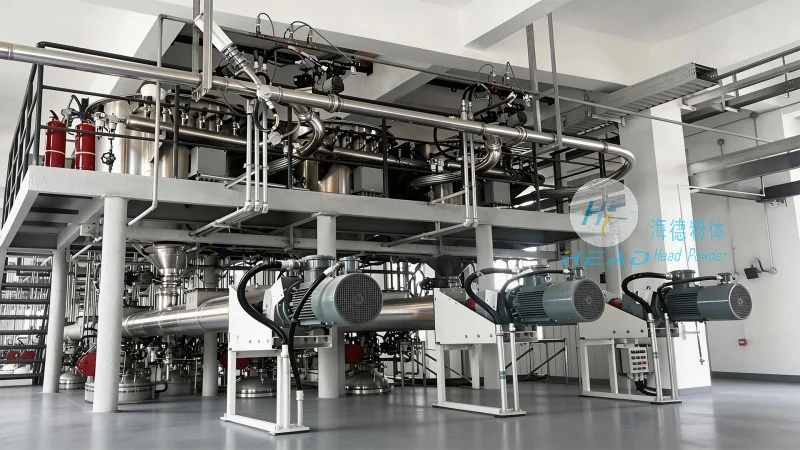
Principle of Pneumatic Conveying for Sodium Chloride Powder
The core principle of a sodium chloride powder pneumatic conveying line is the use of compressed air to transport dry powder materials through a pipeline. This method, known as pneumatic conveying, involves the creation of a pressure differential that propels the powder particles along the conveying line. The system typically consists of a hopper for material storage, a feeder to control the flow rate, a conveying pipeline, and a receiver to collect the material at the destination. The compressed air, often supplied by a blower or compressor, is introduced into the pipeline, creating a flow that entrains the sodium chloride powder particles. The interaction between the air and the powder particles is crucial for efficient transport, as it ensures that the particles are fully suspended and moved without excessive wear or degradation.
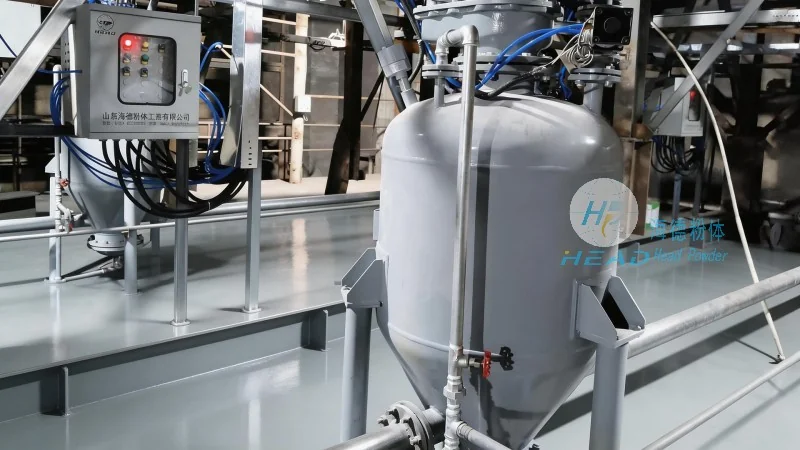
Working Scene Characteristics of Sodium Chloride Powder Pneumatic Conveying Lines
The operational scenarios for sodium chloride powder pneumatic conveying lines are diverse and tailored to meet the specific requirements of different industries. These systems are commonly employed in sectors such as chemical manufacturing, food processing, and pharmaceutical production, where the safe and efficient handling of sodium chloride is critical. In chemical plants, for instance, the conveying lines are used to transport raw sodium chloride to processing units, ensuring a continuous supply without the need for manual handling, which reduces the risk of contamination and improves overall production efficiency. In food processing facilities, the pneumatic conveying systems are designed to maintain hygienic conditions, as the enclosed pipeline prevents the exposure of the powder to external contaminants. The characteristics of these working scenes include high throughput, minimal material loss, and the ability to handle large volumes of sodium chloride powder over long distances. Additionally, the systems are often integrated with other processing equipment, such as mixers and reactors, to form a seamless production line that enhances operational efficiency.
Key Features and Advantages of Sodium Chloride Powder Pneumatic Conveying Systems
HeadPowder's sodium chloride powder pneumatic conveying lines are equipped with several key features that enhance their performance and reliability. One of the primary advantages is the ability to handle abrasive materials like sodium chloride without significant wear on the conveying components. The use of high-quality materials, such as stainless steel for the pipeline and specialized feeders, ensures long service life and minimal maintenance. Another important feature is the system's flexibility, which allows for easy integration with existing production facilities. The conveying lines can be customized to accommodate varying flow rates and distances, making them suitable for both small-scale and large-scale operations. Furthermore, the systems are designed to minimize dust emissions, which is essential for maintaining a safe and clean working environment. The enclosed nature of the pipeline prevents the release of fine particles into the air, reducing the risk of respiratory issues for workers and complying with environmental regulations.
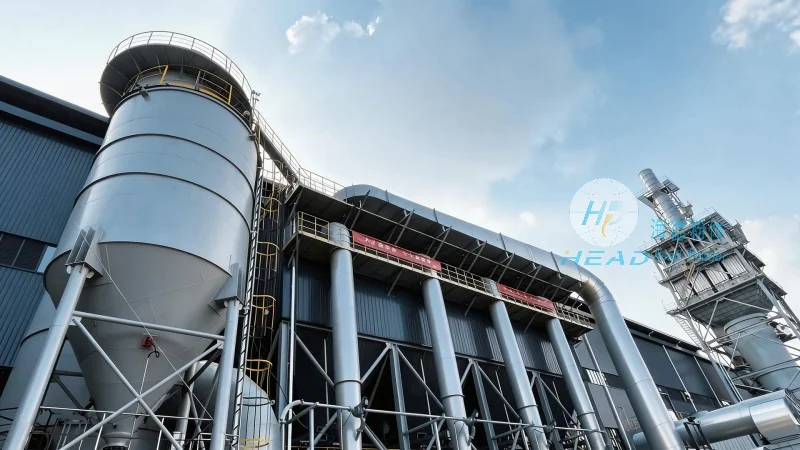
Application Examples and Operational Scenarios
Real-world applications of sodium chloride powder pneumatic conveying lines illustrate their versatility and effectiveness. In a chemical manufacturing plant, a large-scale system is used to transport sodium chloride from storage silos to a reaction vessel, covering a distance of over 500 meters. The system operates continuously, delivering the required amount of material at a steady rate, which supports the plant's production schedule. In a food processing facility, a smaller-scale pneumatic conveying line is employed to transfer sodium chloride from a storage bin to a packaging machine, ensuring that the powder is delivered in a controlled manner without spillage. The operational scenarios also include the use of these systems in pharmaceutical plants, where the strict hygiene requirements are met through the use of stainless steel components and sealed pipelines. These examples demonstrate how the sodium chloride powder pneumatic conveying lines can be adapted to various industrial needs, providing a reliable and efficient solution for material handling.