

Principles and Application Scenarios of Malt Powder Conveying
Efficient and reliable powder handling is a critical aspect of modern industrial operations, particularly in the food and beverage sector where malt is a key ingredient. Malt powder, with its unique properties such as moisture content, particle size, and flow characteristics, requires specialized conveying systems to ensure optimal processing and minimal product degradation. This article explores the fundamental principles behind malt powder conveying and highlights the key application scenarios where these systems are most effective.
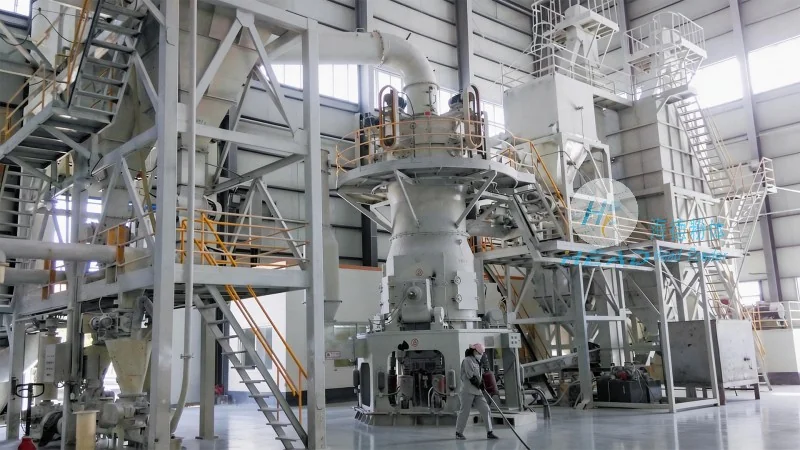
Key Principles of Malt Powder Conveying
The core of effective malt powder conveying lies in understanding the physical and mechanical properties of the material. Malt powder is typically a fine, dry granular substance that can exhibit cohesive behavior under certain conditions. Conveying systems must address challenges like dust generation, caking, and blockage to maintain consistent flow rates and prevent product loss. Common principles include the use of low-pressure, low-speed conveying methods to minimize particle breakage and maintain product integrity. Additionally, the design of the conveying line, including the selection of appropriate ductwork, valves, and feeding mechanisms, plays a crucial role in ensuring smooth operation and reducing maintenance requirements.
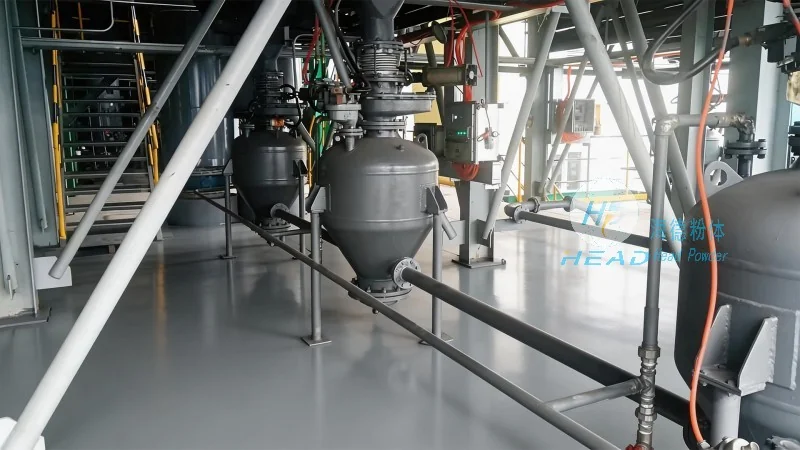
Common Application Scenarios for Malt Powder Conveying
Malt powder conveying systems are widely used across various stages of the malt production and processing cycle. In the initial stages, after malting and drying, malt is often conveyed from storage silos to grinding or milling equipment. This step is essential for preparing the malt for further processing, such as mashing or brewing. During the brewing process, malt is conveyed from storage to the brewhouse, where it is mixed with water to form the wort. The efficiency of this conveying step directly impacts the quality and consistency of the final beer product. Moreover, in industrial settings, malt powder may be used as an ingredient in other food products, requiring reliable conveying for ingredient blending and packaging. The versatility of malt powder conveying systems makes them suitable for both large-scale commercial operations and smaller-scale craft breweries, adapting to varying production volumes and operational needs.
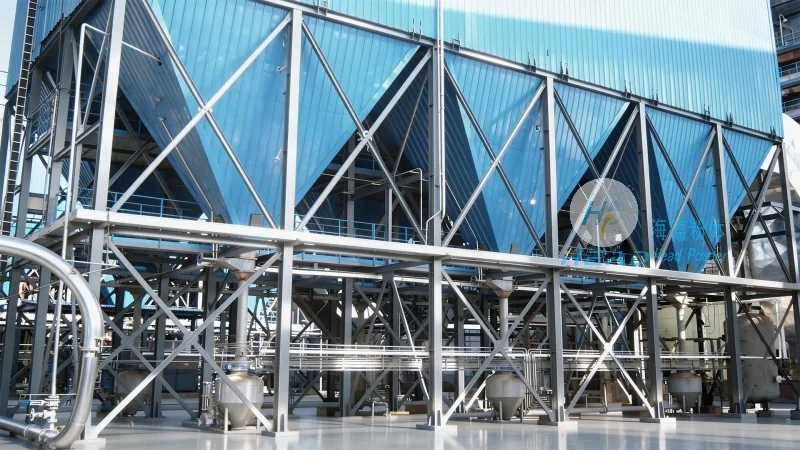
HeadPowder Engineering: Your Partner in Malt Powder Conveying Solutions
At Shandong HeadPowder Engineering Co., Ltd., we specialize in providing tailored malt powder conveying solutions that meet the unique demands of the food and beverage industry. Our expertise lies in designing and manufacturing systems that prioritize product quality, operational efficiency, and safety. With a deep understanding of malt properties and industry standards, our team works closely with clients to develop customized conveying systems that address specific challenges such as dust control, material handling, and process integration. Based in Shandong, China, HeadPowder Engineering leverages advanced technology and local manufacturing capabilities to deliver high-quality, cost-effective solutions for malt powder conveying. Whether you are a large-scale brewery or a smaller craft operation, our solutions are designed to enhance your production processes and ensure consistent, high-quality malt handling throughout your facility.