Coal and coke powder conveying systems are critical components in industrial operations, particularly in the mining, power generation, and chemical sectors. The efficient handling of these fine particulate materials is essential for maintaining production efficiency and ensuring safety in various industrial processes. This article explores the fundamental principles behind coal and coke powder conveying, along with the key characteristics of different operational scenarios where such systems are employed.
Understanding the Core Principles of Coal and Coke Powder Conveying
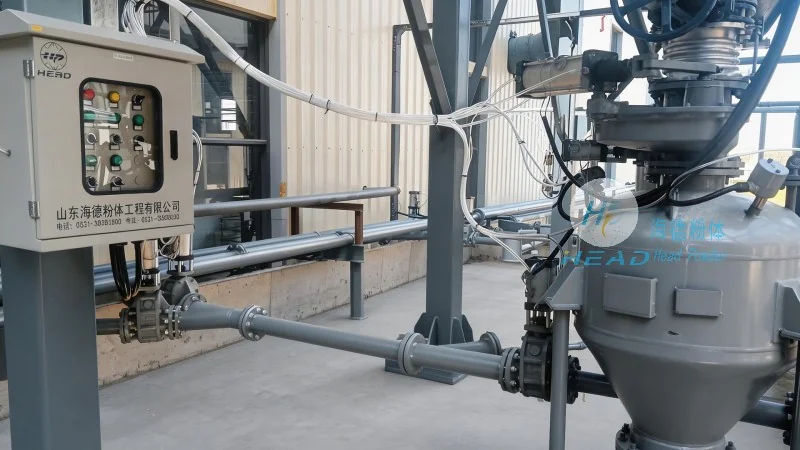
The primary goal of coal and coke powder conveying is to transport bulk materials from one location to another without degradation or loss. The process typically involves several key components, including feeders, conveyors, and control systems. For coal and coke, which are often abrasive and can generate dust, specialized equipment is required to ensure reliable and safe operation. The choice of conveying method depends on factors such as material properties, distance, and environmental considerations. Common techniques include pneumatic conveying (air-assisted systems), mechanical conveying (like belt or screw conveyors), and hybrid systems that combine both approaches. Each method has its advantages and limitations, and the selection is tailored to the specific requirements of the application.
Key Operational Characteristics of Coal and Coke Powder Conveying Systems
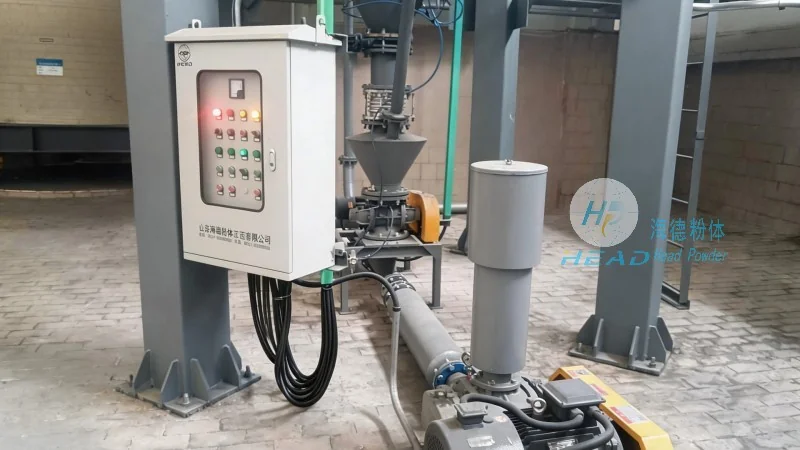
When evaluating coal and coke powder conveying systems, several operational characteristics are critical to consider. These include material flow rate, system efficiency, and the ability to handle varying particle sizes and moisture content. The design of the system must account for the unique properties of coal and coke, such as their tendency to agglomerate or create dust clouds. Proper sealing and dust control measures are essential to prevent environmental contamination and ensure worker safety. Additionally, the system's durability and resistance to wear and corrosion are important, as these materials can be abrasive and corrosive over time. Maintenance and operational flexibility are also key factors, as industrial processes often require adjustments to production rates or material types.
Application Scenarios and Industry Use Cases
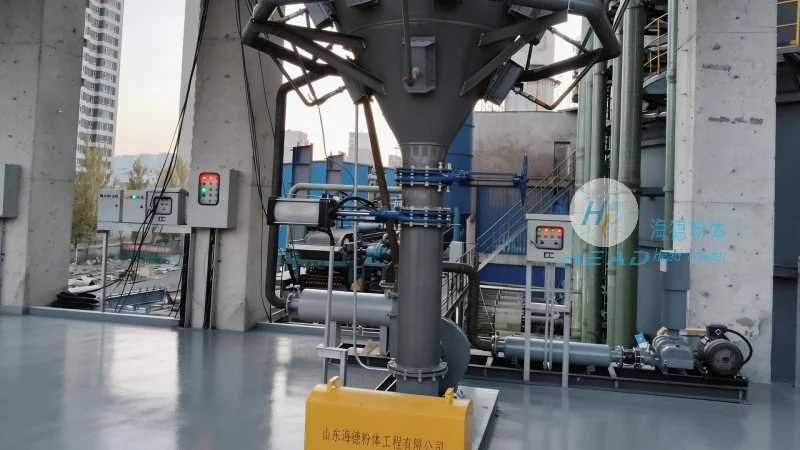
Coal and coke powder conveying systems are widely used across multiple industries. In the power generation sector, these systems are integral to transporting coal from storage to boilers for combustion. The efficiency of the conveying process directly impacts the overall plant performance and fuel utilization. In the chemical industry, coke powder is used as a raw material in the production of steel and other chemicals, and reliable conveying ensures consistent quality and process control. Mining operations also rely on these systems to transport coal from mines to processing facilities or for shipping. Each of these applications presents unique challenges, such as varying material consistency or the need for high-volume transport over long distances. The adaptability of modern conveying systems allows them to meet these diverse requirements effectively.
HeadPowder's Expertise in Coal and Coke Powder Conveying Solutions
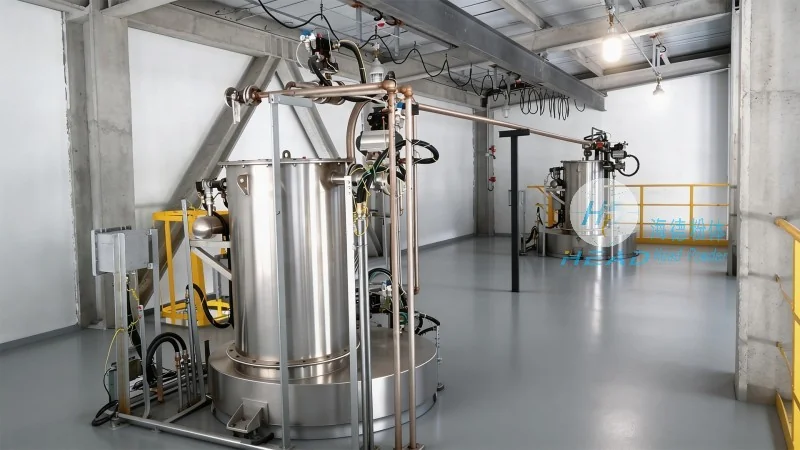
Shandong HeadPowder Engineering Co., Ltd., commonly known as HeadPowder, is a leading provider of specialized conveying solutions for coal and coke powder. With a focus on innovation and industrial application, HeadPowder designs and manufactures systems tailored to the specific needs of their clients. The company's expertise lies in understanding the complex behavior of coal and coke materials and translating that knowledge into effective conveying solutions. By leveraging advanced engineering principles and materials science, HeadPowder ensures that their systems are durable, efficient, and safe. The company's commitment to quality and customer satisfaction has made it a trusted partner in the industry, serving clients across China and beyond. HeadPowder's solutions are designed to enhance operational efficiency, reduce downtime, and minimize environmental impact, aligning with the evolving needs of modern industrial operations.




