HeadPowder, a leading manufacturer in the field of pneumatic conveying systems, specializes in providing efficient and reliable solutions for transporting paper chips and similar bulk materials. Based in Shandong, China, the company has established itself as a trusted partner for industries seeking advanced material handling technologies. This article explores the fundamental principles behind paper chip pneumatic conveying equipment and highlights the key working scene characteristics that define its operational effectiveness.
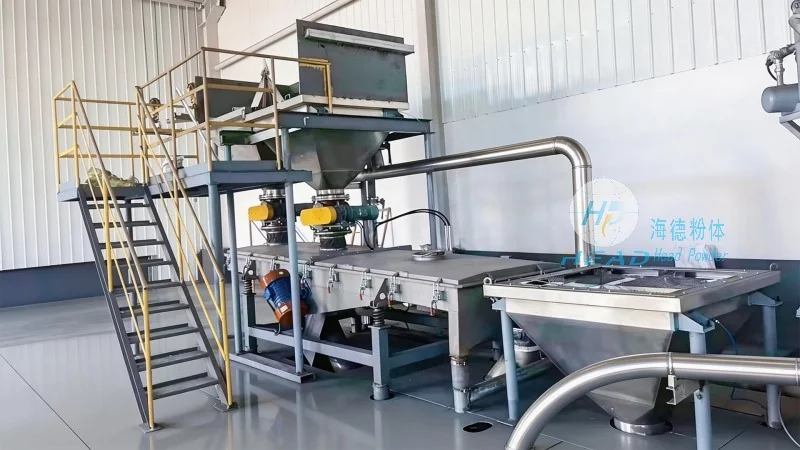
Introduction to Paper Chip Pneumatic Conveying Equipment
Pneumatic conveying systems are widely used in various industrial applications to transport dry or semi-dry bulk materials through a pipeline using air or gas as the conveying medium. For paper chip processing, these systems offer a flexible and efficient method to move raw materials from storage to processing units, such as pulping or refining equipment. The core components of a typical paper chip pneumatic conveying system include a hopper for material storage, a feeder to control the flow rate, a blower or compressor to generate the necessary air pressure, and a pipeline network that transports the material to the destination point. The system may also incorporate features like cyclones for separation, filters to remove dust, and control valves to regulate the air flow and material movement.
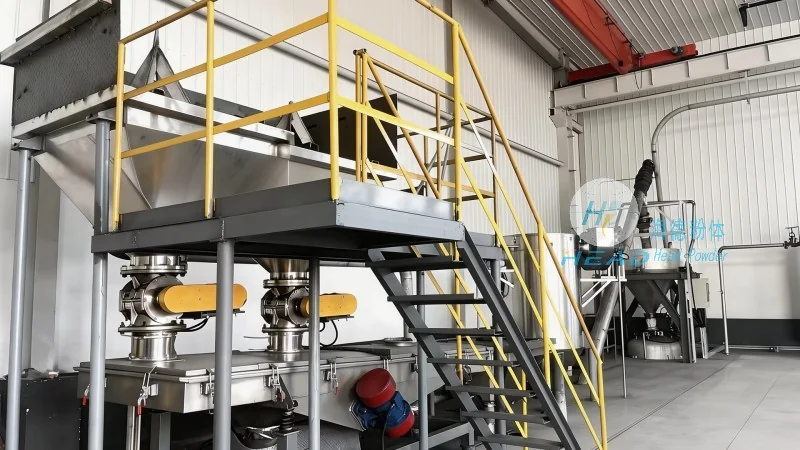
Working Principle of Paper Chip Pneumatic Conveying
The operation of paper chip pneumatic conveying equipment is based on the principle of creating a pressure differential within the conveying pipeline. The process begins with the material being fed into the hopper, where it is then transferred to the feeder. The feeder ensures a consistent flow of paper chips into the pipeline. Simultaneously, the blower or compressor generates a high-pressure air stream that travels through the pipeline. As the air moves, it entrains the paper chips, lifting them from the hopper and transporting them through the pipeline to the receiving unit. The air flow is carefully controlled to maintain a stable conveying velocity, preventing material degradation or blockages. The system may use either positive pressure (pressure conveying) or negative pressure (vacuum conveying), depending on the specific application requirements. Positive pressure systems are often preferred for long-distance or high-capacity transport, as they provide consistent pressure and flow rates. Negative pressure systems, on the other hand, are suitable for applications where dust control is a priority, as they draw material into the system without exposing it to the external environment.
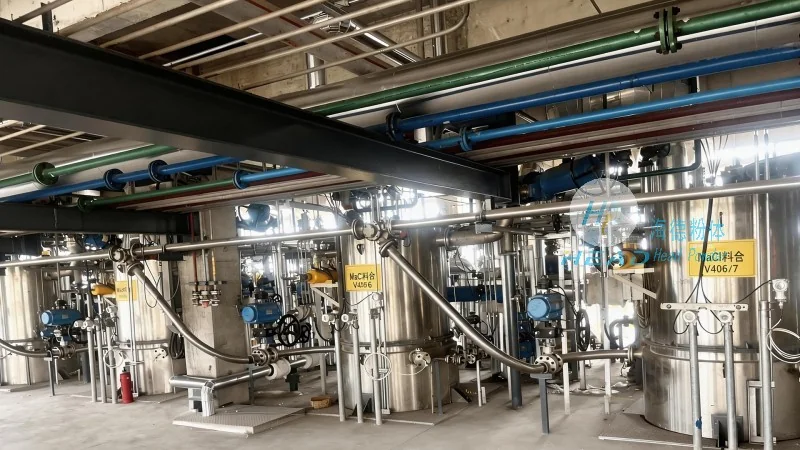
Key Working Scene Characteristics
The effectiveness of paper chip pneumatic conveying equipment is determined by several working scene characteristics that influence its performance and suitability for different industrial settings. These characteristics include the material's physical properties, such as particle size, moisture content, and density, which affect the conveying velocity and system design. The system's capacity, measured in terms of material throughput per hour, is another critical factor, as it determines the production rate and efficiency of the overall process. The distance between the material source and the processing unit is also a key consideration, as longer distances may require higher air pressure or more robust components to maintain material transport. Additionally, the system's energy efficiency is an important aspect, as it directly impacts operational costs and environmental impact. Modern pneumatic conveying systems are designed to optimize energy use through features like variable speed drives and efficient blower designs. Another important characteristic is the system's ability to handle variations in material flow, such as fluctuations in raw material supply or changes in processing requirements. This adaptability ensures smooth operation and minimal downtime. The system's maintenance requirements and ease of cleaning are also significant factors, as they affect the overall operational costs and safety of the process. For paper chip applications, the system must be capable of handling abrasive or fibrous materials without causing excessive wear or clogging, which may require specialized components like wear-resistant liners or high-efficiency filters.
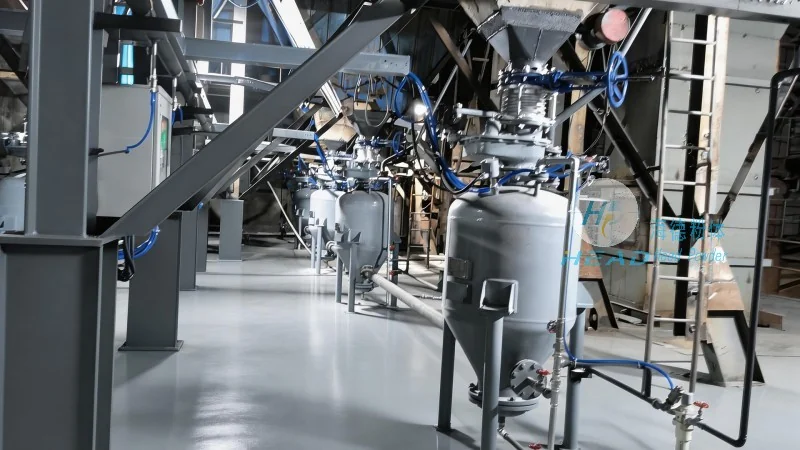
Application Scenarios and Operational Benefits
Paper chip pneumatic conveying equipment is widely used in various industrial applications, particularly in the pulp and paper industry. In this sector, the equipment is employed to transport raw paper chips from storage silos to the pulping or refining units, where they are processed into pulp for paper production. The system's ability to handle large volumes of material efficiently makes it ideal for high-capacity production lines. Another common application is in the recycling industry, where paper chip pneumatic conveying systems are used to transport recycled paper materials from collection points to recycling facilities. These systems help streamline the recycling process by reducing manual handling and improving material flow. The equipment is also used in the manufacturing of wood-based products, such as particleboard or fiberboard, where paper chips are a key raw material. In these applications, the system's ability to maintain consistent material quality and flow is crucial for producing uniform products. The operational benefits of using paper chip pneumatic conveying equipment include improved safety, as the system eliminates the need for manual handling of bulk materials, reducing the risk of accidents and exposure to dust. Additionally, the system enhances process efficiency by minimizing material handling time and reducing downtime due to blockages or equipment failures. The flexibility of the system allows for easy integration into existing production lines, making it a cost-effective solution for upgrading or expanding material handling capabilities. Furthermore, the system's ability to handle different material types and flow rates makes it a versatile solution for various industrial needs. Overall, paper chip pneumatic conveying equipment offers a reliable and efficient method for transporting bulk materials, contributing to improved productivity and operational performance in industrial settings.




