Quicklime, also known as calcium oxide (CaO), is a widely used industrial material in sectors such as construction, chemical manufacturing, and environmental treatment. The efficient and safe transportation of quicklime from production sites to processing or storage facilities is crucial for maintaining operational efficiency and product quality. Pneumatic conveying systems have emerged as a preferred solution for handling quicklime due to their ability to transport bulk materials in a dust-free, controlled manner. This article explores the fundamental principles of quicklime pneumatic conveying equipment and highlights key working scene characteristics that define its application in various industrial settings.
The Working Principle of Quicklime Pneumatic Conveying Systems
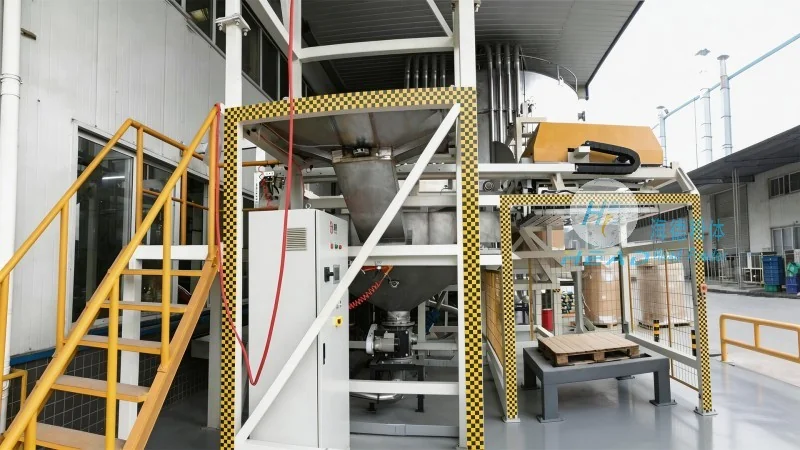
At the core of quicklime pneumatic conveying equipment is the mechanism of transporting bulk materials through a pipeline using a gas stream, typically air. The system operates on the principle of creating a pressure differential between the material feed point and the discharge point. There are two primary types of pneumatic conveying systems used for quicklime: pressure and vacuum systems. Pressure systems use compressed air to push the material through the pipeline, while vacuum systems employ a vacuum to draw the material from the source. In both cases, the quicklime is introduced into the pipeline as a fine powder or small particles, which are then entrained by the moving air stream and transported to the destination.
Key components of a typical quicklime pneumatic conveying system include the material feeder, which ensures a consistent flow of quicklime into the system; the air compressor or vacuum pump, which provides the necessary pressure or vacuum; the conveying pipeline, which transports the material; and the dust collector or filter, which captures any airborne particles to prevent environmental contamination. The system's design must account for the properties of quicklime, such as its reactivity with moisture and potential for dust generation, to ensure safe and efficient operation.
Working Scene Characteristics of Quicklime Pneumatic Conveying Equipment
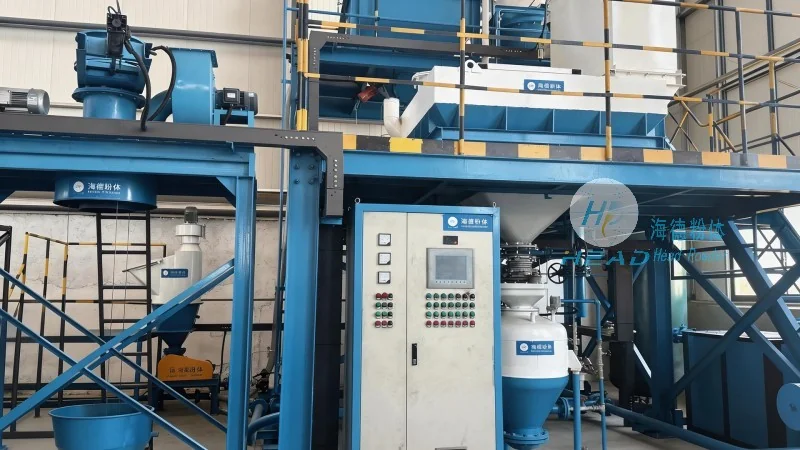
The application of quicklime pneumatic conveying equipment varies significantly based on the specific industrial environment and operational requirements. Understanding these working scene characteristics is essential for selecting the appropriate system and ensuring optimal performance.
One common working scene is in large-scale quicklime production facilities, where the equipment is used to transport quicklime from the calcination kiln to storage silos or processing units. In such settings, the system must handle high volumes of material and maintain a consistent flow rate to support continuous production. The design of the conveying pipeline and material feeder is critical to prevent blockages or material degradation, which could lead to operational disruptions.
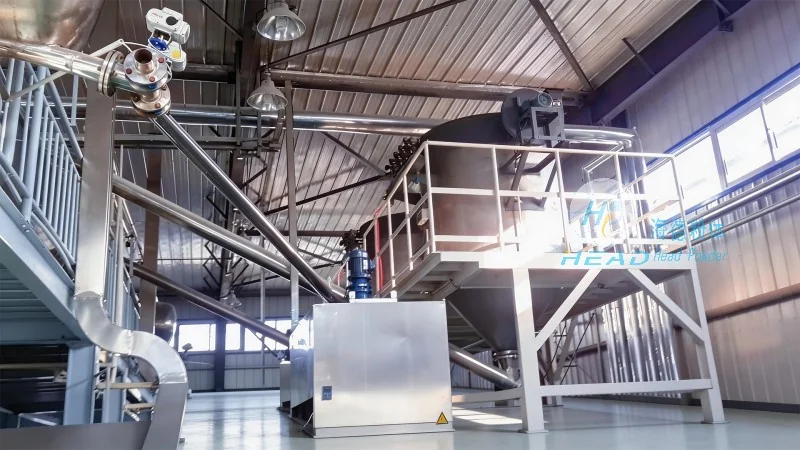
Another important working scene is in construction and building materials plants, where quicklime is used as a raw material for cement production or as a component in mortar and plaster. The pneumatic conveying system must be capable of transporting quicklime to mixing stations or storage areas while minimizing dust exposure to workers and the environment. This often involves the use of enclosed pipelines and advanced filtration systems to ensure compliance with occupational health and safety regulations.
In the chemical industry, quicklime is used in processes such as water treatment, where it is used to neutralize acidic effluents. The pneumatic conveying equipment in this context must be designed to handle quicklime that may be mixed with other chemicals or have varying moisture content. The system must also be compatible with the chemical environment, using materials that are resistant to corrosion and chemical reactions.
Environmental applications, such as flue gas desulfurization (FGD) systems in power plants, represent another key working scene. Quicklime is used to remove sulfur dioxide from exhaust gases, and the pneumatic conveying system must be able to transport quicklime to the reaction towers efficiently. The system must be robust and reliable to handle the high volumes of material required in large-scale power plants, while also being able to operate in harsh environmental conditions, such as high temperatures and humidity.
Advantages and Considerations in Quicklime Pneumatic Conveying
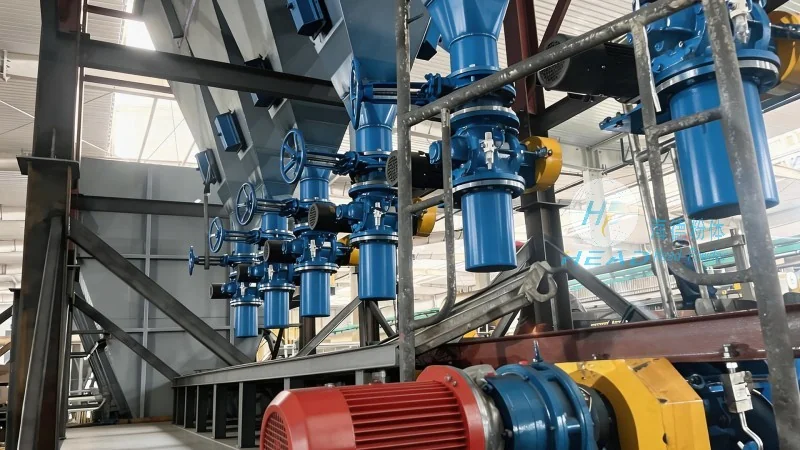
Quicklime pneumatic conveying equipment offers several advantages over traditional bulk material handling methods, such as bucket elevators or belt conveyors. These advantages include reduced labor costs, as the system operates automatically; improved safety, as the material is transported in a closed system, minimizing dust exposure and the risk of material spills; and increased efficiency, as the system can handle high volumes of material with minimal downtime.
However, there are also considerations to keep in mind when implementing a quicklime pneumatic conveying system. The system's design must account for the reactivity of quicklime with moisture, as exposure to air can cause the material to clump or degrade. This requires the use of moisture-proof materials and proper sealing of the system to prevent moisture ingress. Additionally, the system must be equipped with effective dust collection and filtration systems to comply with environmental regulations and maintain a safe working environment.




