HeadPowder, a leading manufacturer based in Shandong, China, specializes in the design and production of advanced pneumatic conveying systems tailored for handling gypsum powder. This article delves into the working principle and key features of such equipment, highlighting how it efficiently transports gypsum powder while ensuring operational efficiency and reliability.
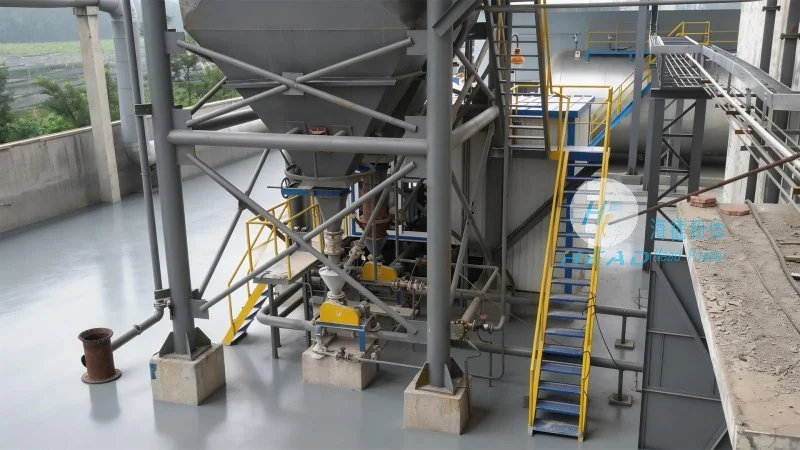
Overview of Gypsum Powder Pneumatic Conveying Equipment
Gypsum powder, commonly used in construction, industrial applications, and other sectors, requires specialized handling due to its fine particle size and specific flow characteristics. Pneumatic conveying equipment offers a solution that minimizes dust generation, optimizes material transport, and enhances overall process safety. The system typically consists of a blower, conveying pipes, a hopper, and control mechanisms, all working in tandem to move gypsum powder from the source to the destination.
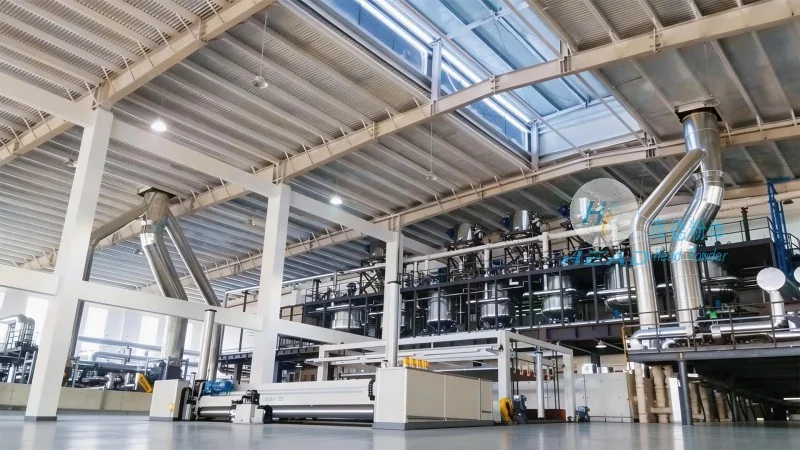
The Working Principle of Pneumatic Conveying for Gypsum Powder
The core of the pneumatic conveying process involves using compressed air to transport the material. In a typical positive pressure system, a blower generates high-pressure air that is introduced into the conveying line. The air flows through the pipe, creating a flow that pulls the gypsum powder particles along with it. The velocity of the air is carefully controlled to ensure that the powder remains suspended and moves smoothly without clogging or settling. For negative pressure systems, a vacuum is created at the receiving end, drawing the powder through the pipe. Both methods are effective, but positive pressure is often preferred for long-distance or high-capacity applications due to its ability to handle larger volumes and maintain consistent flow rates.
Key Features of Gypsum Powder Pneumatic Conveying Equipment
HeadPowder's pneumatic conveying systems for gypsum powder are designed with several distinct features that set them apart in the industry. Firstly, the equipment is engineered to handle the unique properties of gypsum powder, such as its fine particle size and potential for static electricity. This is achieved through specialized hopper designs that prevent material buildup and ensure smooth discharge. Secondly, the system incorporates advanced control technology that allows for real-time monitoring of pressure, flow rate, and air volume, enabling operators to adjust parameters dynamically and maintain optimal performance. Thirdly, the equipment is built with durable materials, such as stainless steel or corrosion-resistant alloys, to withstand the chemical and physical stresses associated with gypsum powder handling. Additionally, the design minimizes dust emissions, contributing to a cleaner working environment and compliance with environmental regulations. The systems are also scalable, allowing for customization based on the specific needs of the application, whether for small-scale or large-scale production.
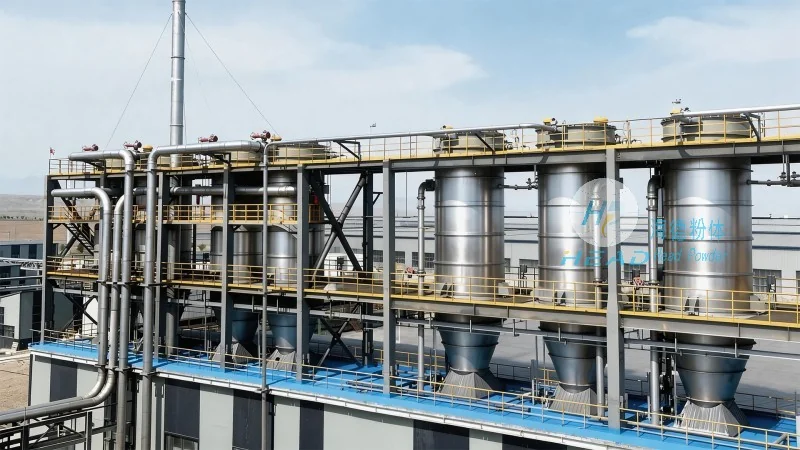
Benefits and Applications
The adoption of pneumatic conveying equipment for gypsum powder offers numerous benefits. It significantly reduces labor costs by automating the material transport process, eliminates the need for manual handling, and minimizes the risk of dust-related health issues. The technology also enhances process efficiency by ensuring consistent material flow and reducing downtime caused by clogging or blockages. In construction, the equipment is used to transport gypsum from storage to mixing stations, while in industrial settings, it facilitates the transfer of gypsum for manufacturing processes like plaster production. The systems are versatile and can be integrated into existing production lines, providing a seamless transition to automated material handling.




