

Working Principle and Features of Sorghum Wine Lees Material Handling System
For industries dealing with sorghum wine lees, efficient material handling is crucial for maintaining production efficiency and operational safety. The sorghum wine lees material handling system, developed by Shandong HeadPowder Engineering Co., Ltd., is a specialized solution designed to address the unique challenges associated with transporting this specific type of waste material. This article explores the working principle and key features of this system, highlighting how it enhances operational performance in winemaking facilities.
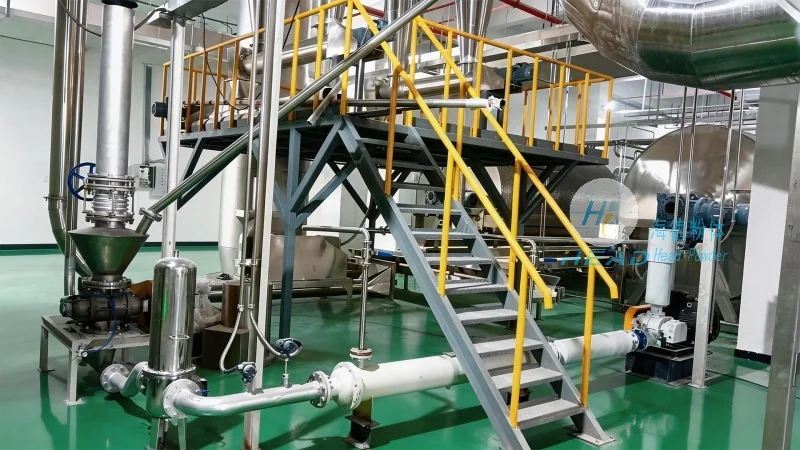
Overview of the Sorghum Wine Lees Material Handling System
The sorghum wine lees material handling system is engineered to handle the transportation of sorghum wine lees, a byproduct of the winemaking process. These lees are typically dense, wet, and have a high moisture content, which can pose significant challenges for traditional conveyor systems. The system is designed to ensure smooth, continuous movement of the material from collection points to processing or disposal areas, minimizing downtime and reducing the risk of material spillage or blockages.
Working Principle of the Material Handling System
The core working principle of the sorghum wine lees material handling system involves a combination of mechanical components that work in tandem to transport the material. The system typically starts with a feeding mechanism, such as a hopper or a conveyor belt, which collects the sorghum wine lees from the winemaking tanks or collection bins. This material is then transferred to a primary conveyor, often a screw conveyor or a belt conveyor, which moves the lees through the system. The design incorporates adjustable speed controls and variable tension mechanisms to accommodate the varying density and moisture levels of the lees, ensuring consistent and reliable transport.
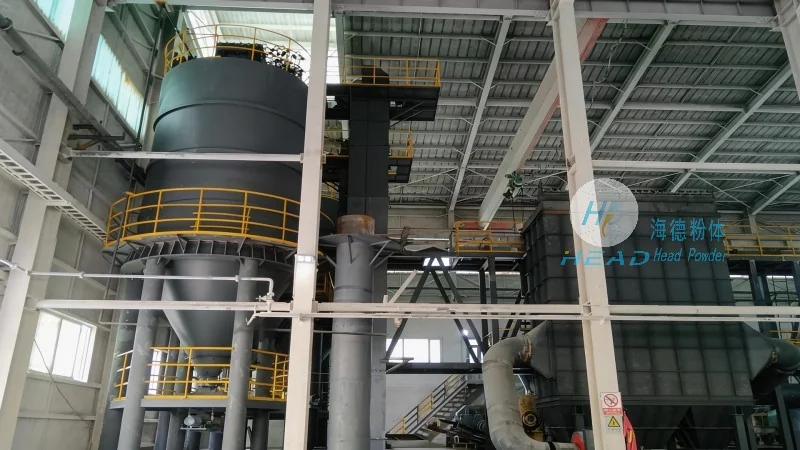
One of the critical components is the conveyor system, which may include multiple sections with different inclinations to handle the material's characteristics. For example, a horizontal section may be used for initial transport, followed by an inclined section to elevate the lees to a higher level or to feed into a processing unit. The system also features a discharge mechanism at the end, which may include a valve or a gate to control the release of the material into the next stage of processing or disposal. The entire process is monitored by a control panel that allows operators to adjust parameters such as speed, tension, and feed rate in real-time, ensuring optimal performance.
Key Features of the Sorghum Wine Lees Material Handling System
The sorghum wine lees material handling system by Shandong HeadPowder Engineering Co., Ltd. is equipped with several features that enhance its functionality and efficiency. One of the standout features is its robust construction, which is designed to withstand the harsh conditions of the winemaking environment, including high moisture content and abrasive materials. The system uses high-quality materials, such as stainless steel or corrosion-resistant alloys, to ensure durability and longevity.
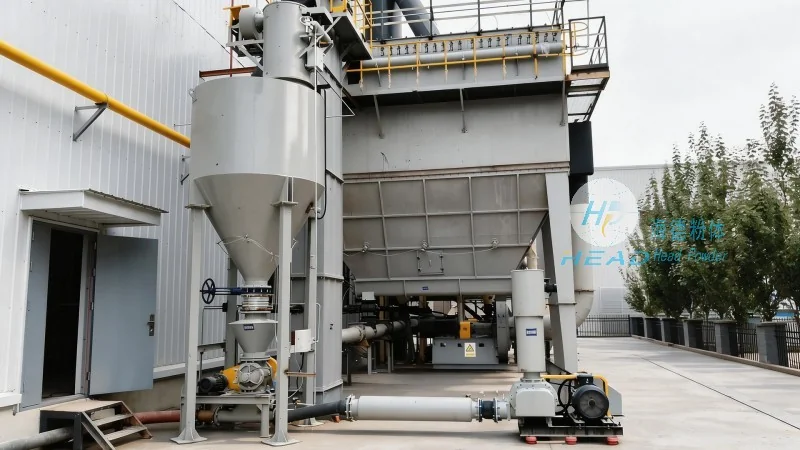
Another key feature is the system's adaptability. It can be customized to meet the specific requirements of different winemaking facilities, including varying production volumes and material characteristics. The modular design allows for easy installation and maintenance, with components that can be replaced or upgraded without disrupting the entire system. This flexibility makes the system suitable for both small-scale and large-scale winemaking operations.
The system also incorporates advanced control technology, including sensors and monitoring systems, to provide real-time feedback on the material flow and system performance. These features help operators identify potential issues, such as blockages or uneven feed, and take corrective action promptly, minimizing downtime and reducing maintenance costs. Additionally, the system is designed to be energy-efficient, with adjustable speed controls that reduce energy consumption during periods of low demand.
Benefits of Implementing the Sorghum Wine Lees Material Handling System
By implementing the sorghum wine lees material handling system, winemaking facilities can achieve significant improvements in operational efficiency and safety. The system's ability to handle dense and wet materials without blockages reduces the risk of production delays and equipment damage. The consistent and reliable transport of the lees ensures that the next stage of processing, such as fermentation or disposal, can proceed smoothly, improving overall production throughput.
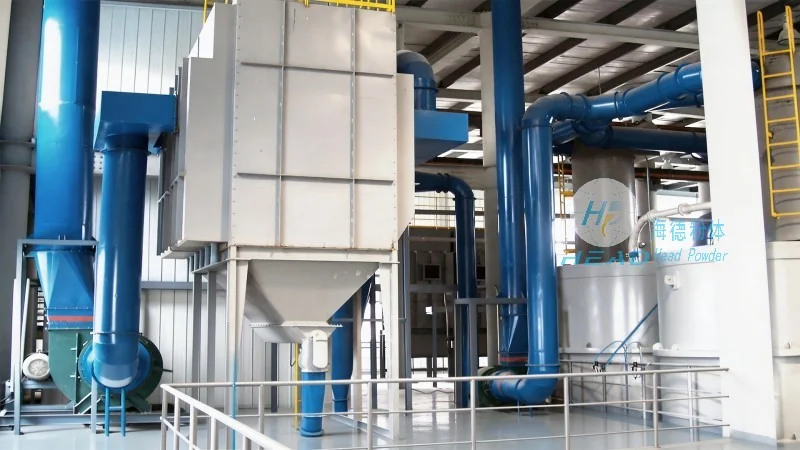
Furthermore, the system's robust construction and advanced control features reduce the need for frequent maintenance, lowering operational costs over time. The energy-efficient design also contributes to lower utility bills, making the system a cost-effective solution for winemaking facilities. The adaptability of the system allows it to be integrated into existing production lines with minimal disruption, ensuring a smooth transition to the new material handling solution.
Conclusion
The sorghum wine lees material handling system developed by Shandong HeadPowder Engineering Co., Ltd. represents a sophisticated solution for the efficient transportation of sorghum wine lees. By combining robust mechanical design with advanced control technology, the system addresses the unique challenges of handling this specific waste material, enhancing operational performance and safety in winemaking facilities. With its customizable features and energy-efficient design, the system is a valuable asset for winemaking operations, helping facilities optimize their production processes and reduce operational costs.