

The Working Principle and Features of Chlorinated Polyethylene Material Handling Systems
HeadPowder, a leading engineering firm based in Shandong, China, specializes in the design and implementation of advanced material handling solutions. This article provides an in-depth look at the working principle and key features of chlorinated polyethylene (CPE) material handling systems, highlighting how these systems enhance operational efficiency and reliability in industrial applications.
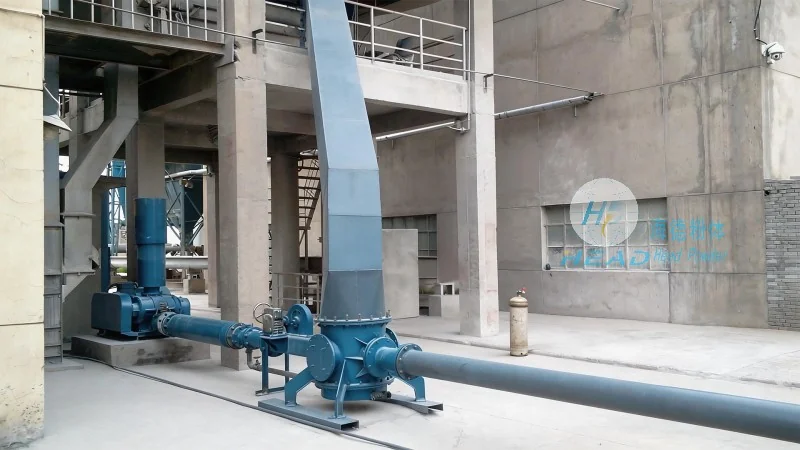
Understanding the Working Principle of CPE Material Handling Systems
Chlorinated polyethylene material handling systems utilize specialized equipment designed to transport and manage CPE materials, which are widely used in various industries due to their excellent chemical resistance and flexibility. The core working principle involves the integration of components such as conveyors, storage units, and control mechanisms to ensure smooth material flow from storage to processing or packaging stages. These systems are engineered to handle the unique properties of CPE, including its resistance to chemicals, UV radiation, and temperature variations, ensuring consistent performance under diverse operational conditions.
The system typically operates through a combination of mechanical and electronic controls. Conveyor belts or rollers transport CPE pellets or sheets, while sensors and control panels monitor the flow rate, position, and quality of the material. This real-time monitoring allows for immediate adjustments to maintain optimal processing conditions, reducing downtime and improving overall productivity. Additionally, the design incorporates safety features to prevent material spillage or equipment damage, ensuring a secure working environment.
Key Features of Chlorinated Polyethylene Material Handling Systems
HeadPowder's CPE material handling systems are characterized by several distinct features that set them apart in the industry. Firstly, the systems are constructed from high-quality materials that are resistant to corrosion and wear, ensuring long-term durability even in harsh industrial environments. This durability is further enhanced by the use of CPE itself, as the material's inherent properties provide excellent resistance to chemical exposure and mechanical stress.
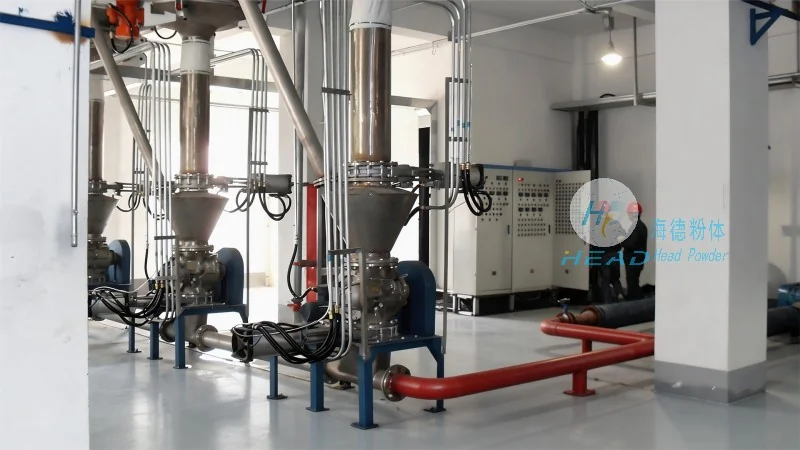
Secondly, the systems offer high efficiency and reliability. Advanced control systems and automated processes minimize human intervention, reducing the risk of errors and increasing production throughput. The integration of sensors and feedback mechanisms allows for precise control over material handling, ensuring consistent quality and reducing waste. Moreover, the modular design of these systems enables easy customization to meet specific customer requirements, such as varying material types or processing capacities.
Thirdly, the systems prioritize safety and compliance. Safety features include emergency stop buttons, overload protection, and material containment measures to prevent accidents and environmental hazards. Compliance with industry standards and regulations is also a key aspect, ensuring that the systems meet the necessary safety and performance criteria. This focus on safety not only protects personnel but also helps in maintaining operational licenses and avoiding costly penalties.
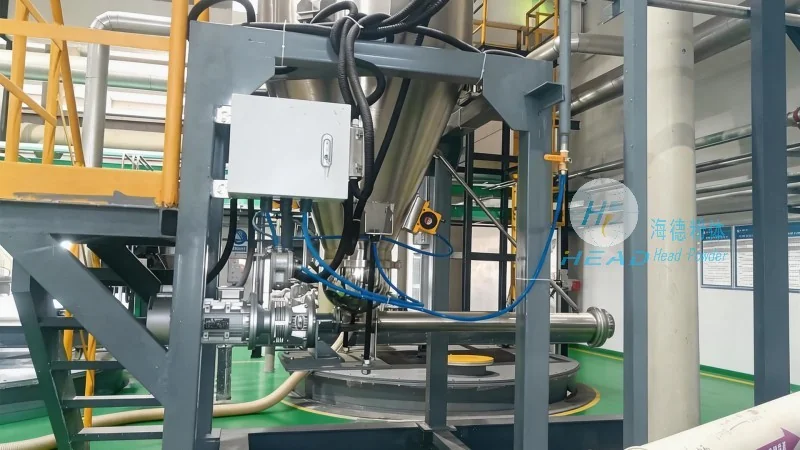
Applications and Benefits in Industrial Settings
Chlorinated polyethylene material handling systems are widely used in industries such as construction, automotive, and chemical manufacturing, where CPE is a critical component. The systems help streamline the supply chain by efficiently transporting CPE from storage to production lines, reducing bottlenecks and improving overall operational flow. The benefits extend beyond efficiency, as these systems also contribute to cost savings through reduced material handling time and lower maintenance requirements.
Furthermore, the reliability of CPE material handling systems ensures consistent product quality. By maintaining stable material flow and processing conditions, these systems help in producing CPE products with uniform properties, which is essential for meeting customer specifications and regulatory requirements. The durability and resistance of the systems also reduce the need for frequent replacements or repairs, leading to lower long-term operational costs.
Conclusion
HeadPowder Engineering Co., Ltd., based in Shandong, China, offers advanced chlorinated polyethylene material handling systems that combine innovative design with robust functionality. These systems are engineered to meet the demanding requirements of modern industrial applications, providing reliable, efficient, and safe material handling solutions. By leveraging the unique properties of CPE and advanced engineering techniques, HeadPowder's systems enhance operational performance and contribute to the success of their clients in various industries.