

What is a Calcined Sand Powder Pneumatic Conveying System? And What Are Its Design Principles?
Calcined sand, a crucial material in various industrial processes, often requires efficient and reliable transportation methods. The calcined sand powder pneumatic conveying system emerges as a sophisticated solution to handle such material handling challenges. This article delves into the essence of this system, exploring its design principles and the technical aspects that make it an indispensable tool in modern industrial operations.
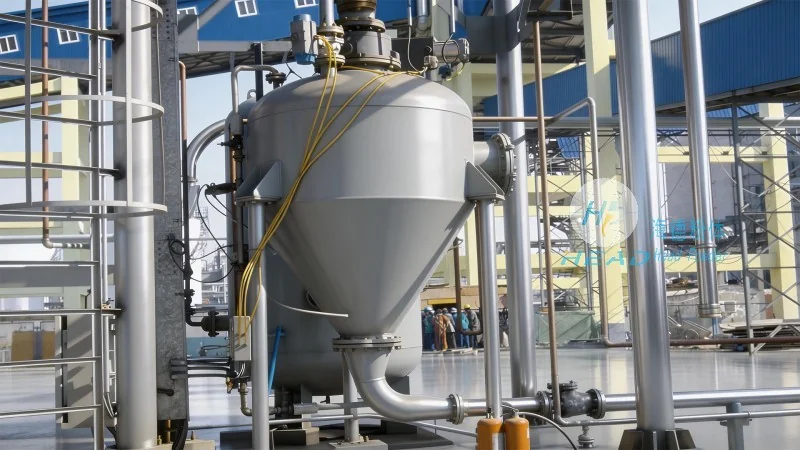
Understanding Pneumatic Conveying Systems for Calcined Sand
Pneumatic conveying systems utilize air or gas to transport powders, granules, and other particulate materials through a pipeline network. For calcined sand, which is typically fine and abrasive, the system must be engineered to withstand the material's properties while ensuring optimal performance. The primary goal is to move the material from a source to a destination with minimal loss, contamination, or degradation. This is achieved through a combination of pressure or vacuum-based mechanisms, tailored to the specific characteristics of calcined sand.
Design Principles of Pneumatic Conveying Systems
The design of a calcined sand powder pneumatic conveying system is governed by several critical principles that ensure efficiency, reliability, and safety. These principles include material flow analysis, system pressure considerations, and component selection based on the material's physical properties. Material flow analysis involves determining the appropriate air velocity and pressure to maintain a stable, continuous flow of calcined sand. This analysis considers factors such as particle size, density, and moisture content, which can significantly impact the conveying process. System pressure is another key design parameter, with options ranging from low-pressure (around 0.5 to 1 bar) to high-pressure (up to 10 bar) systems, depending on the distance and resistance in the pipeline.
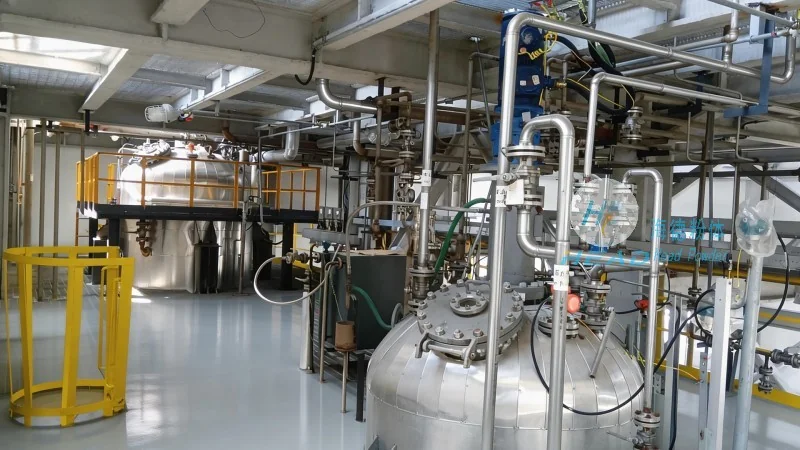
Key Components and Their Functions
A calcined sand powder pneumatic conveying system comprises several essential components, each playing a vital role in the overall operation. The primary components include the material feed hopper, which stores and feeds the calcined sand into the system; the air compressor or vacuum pump, which generates the necessary air or gas flow; the conveying pipeline, which transports the material; and the discharge device, which delivers the calcined sand to the target location. Additionally, components such as filters, cyclones, and pressure vessels are often included to ensure the system operates efficiently and safely. For example, filters are used to remove any dust or debris from the air stream, preventing contamination of the calcined sand, while cyclones help separate the material from the air before it is discharged.
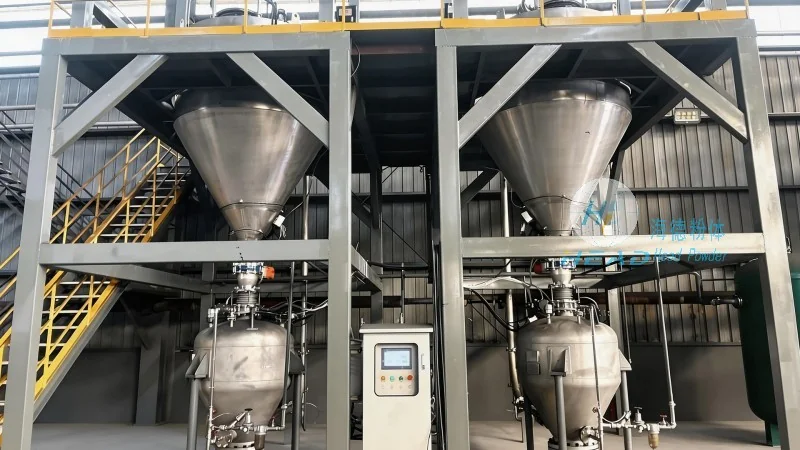
HeadPowder's Expertise in Pneumatic Conveying Solutions
Shandong HeadPowder Engineering Co., Ltd., a leading provider of industrial engineering solutions, specializes in designing and manufacturing calcined sand powder pneumatic conveying systems tailored to the unique needs of various industries. With years of experience and a deep understanding of material handling technologies, HeadPowder has developed innovative solutions that address the specific challenges associated with calcined sand. The company's team of engineers and technicians work closely with clients to assess their material handling requirements, providing customized system designs that optimize performance, reduce operational costs, and enhance safety. HeadPowder's commitment to quality and customer satisfaction has made it a trusted partner for businesses seeking reliable pneumatic conveying solutions.
Applications and Benefits of Using Pneumatic Conveying Systems
The calcined sand powder pneumatic conveying system finds applications in a wide range of industries, including construction, glass manufacturing, and chemical processing. In the construction industry, calcined sand is used as a raw material for cement and concrete production, and the pneumatic conveying system ensures efficient transportation from storage to production lines. In glass manufacturing, calcined sand is a key ingredient in glass production, and the system helps maintain consistent quality and flow rates. The benefits of using pneumatic conveying systems for calcined sand include improved material handling efficiency, reduced labor costs, and enhanced safety compared to traditional methods such as bucket elevators or belt conveyors. Additionally, the system minimizes material loss and contamination, ensuring the quality of the final product.