

What is a Fine Sand and Stone Powder Pneumatic Conveying System? What Are Its Design Principles?
HeadPowder, a leading engineering company based in Shandong, China, specializes in advanced material handling solutions. One of their core offerings is the fine sand and stone powder pneumatic conveying system, a technology designed to efficiently transport fine particulate materials like sand and stone powders through an air-based system. This system is particularly valuable in industries where precise and dust-free material transport is critical, such as construction, mining, and chemical processing.
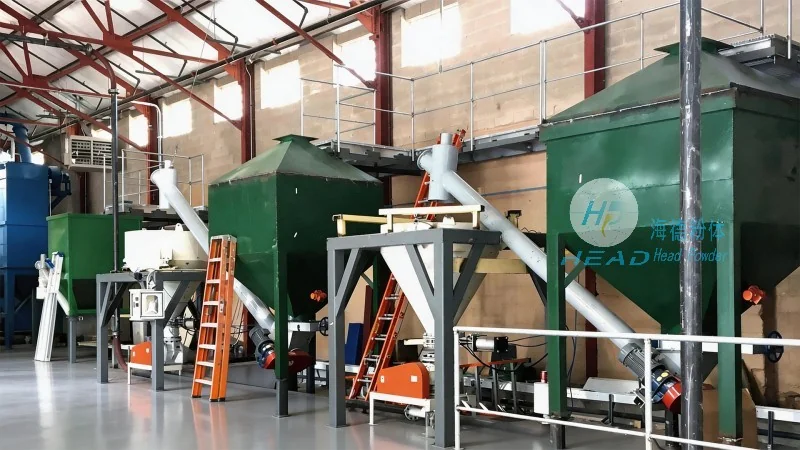
The fundamental concept behind a fine sand and stone powder pneumatic conveying system is the use of air as the medium to move dry, fine particulate materials from a source to a destination. Unlike traditional mechanical conveyors, which rely on belts or buckets, this system employs a pressurized or vacuum air stream to carry the material. The design of such a system involves several key components that work in concert to ensure efficient and reliable operation.
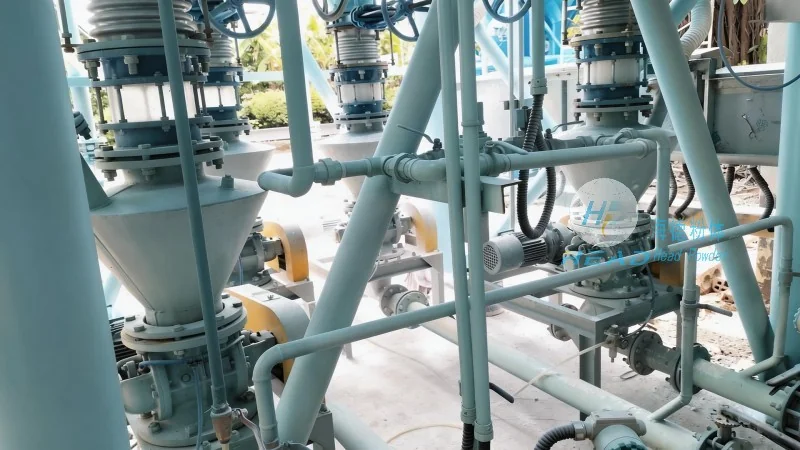
Firstly, the system includes a material hopper or feeder, which is responsible for storing and feeding the fine sand or stone powder into the conveying line. This component must be designed to handle the specific characteristics of the material, such as its particle size, moisture content, and flowability. For fine powders, the hopper is often equipped with a rotary valve or a star feeder to ensure a consistent and controlled flow, preventing clogging and ensuring smooth operation.
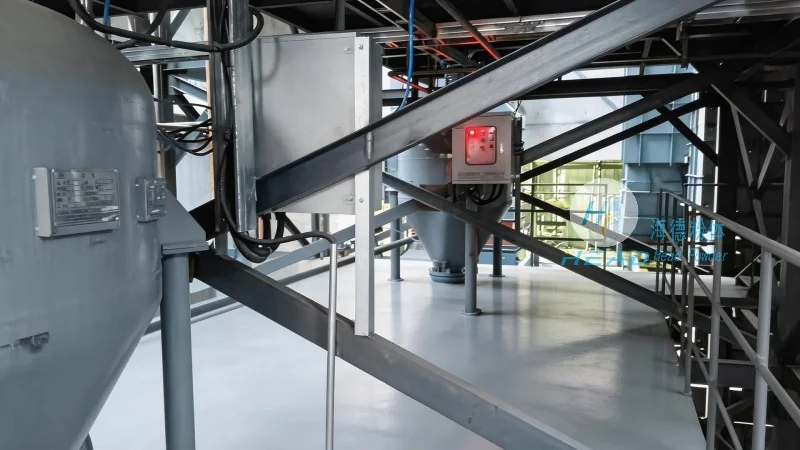
Secondly, the conveying line itself is a crucial part of the system. It consists of pipes or ducts that are typically made of stainless steel or other corrosion-resistant materials to withstand the abrasive nature of the fine sand and stone particles. The design of the pipe layout is critical to minimize pressure drop and ensure efficient air flow. The system may use either positive pressure (where air is blown into the line to push the material) or negative pressure (where air is drawn out to pull the material). The choice between these two methods depends on the application requirements, including the distance to be covered and the material characteristics.
Thirdly, the system incorporates a blower or vacuum pump to generate the necessary air pressure or vacuum. The blower is responsible for supplying the air that moves the material through the conveying line. The selection of the blower depends on factors like the material's density, the conveying distance, and the required flow rate. Proper sizing of the blower is essential to ensure that the system operates efficiently without excessive energy consumption or pressure loss.
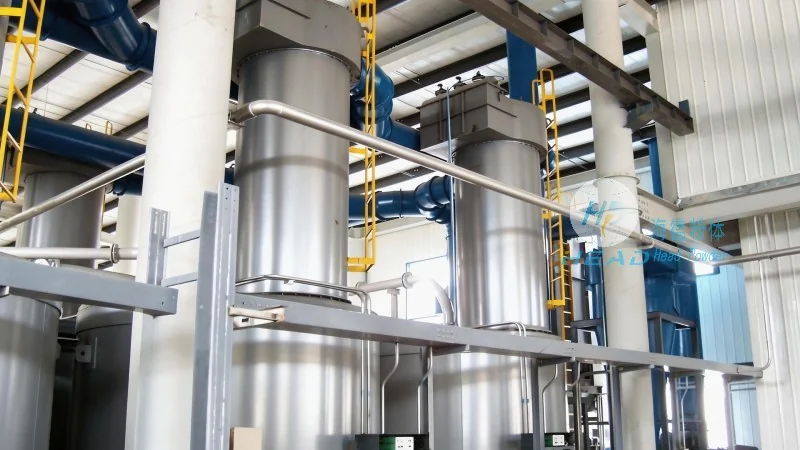
Fourthly, the system includes a filter or cyclone separator to remove the material from the air stream at the destination. This component is vital for maintaining air quality and preventing dust contamination in the receiving area. The separator works by using centrifugal force to separate the fine particles from the air, allowing the clean air to be discharged or recirculated, while the material is collected in a hopper or bin.
Additionally, the system may include other auxiliary components such as pressure regulators, flow meters, and control valves to monitor and adjust the operation of the conveying system. These components help maintain consistent performance and ensure that the system operates within safe and efficient parameters.
HeadPowder's design approach for fine sand and stone powder pneumatic conveying systems focuses on optimizing each component for the specific application. By carefully selecting the material of construction, the type of feeder, the blower capacity, and the separator design, the company ensures that the system meets the unique requirements of each project. This tailored approach helps minimize downtime, reduce maintenance costs, and maximize the overall efficiency of the material handling process.
The benefits of using a fine sand and stone powder pneumatic conveying system include improved safety, as the material is transported without the need for manual handling or open conveyors, reducing the risk of dust exposure and accidents. It also offers greater flexibility in terms of layout, as the system can be installed in various configurations to suit the space constraints of the facility. Furthermore, the system can handle materials with varying particle sizes and moisture content, making it a versatile solution for different industrial applications.
In conclusion, the fine sand and stone powder pneumatic conveying system is a sophisticated material handling solution that leverages air as the primary transport medium. Its design principles, which include careful consideration of the material characteristics, the selection of appropriate components, and the optimization of system layout, ensure efficient and reliable operation. HeadPowder, with its expertise in engineering and material handling, provides comprehensive solutions that meet the diverse needs of industries relying on fine sand and stone powders.