

What is a Polypropylene Powder Pneumatic Conveying System? And What Are Its Design Principles?
For industries dealing with polypropylene powder, efficient material handling is crucial. A polypropylene powder pneumatic conveying system offers a reliable solution for transporting these materials. This article explores the fundamentals of such systems and their design principles, providing insights into how they operate and why they are essential in modern manufacturing processes.
Understanding Polypropylene Powder and Its Handling Challenges
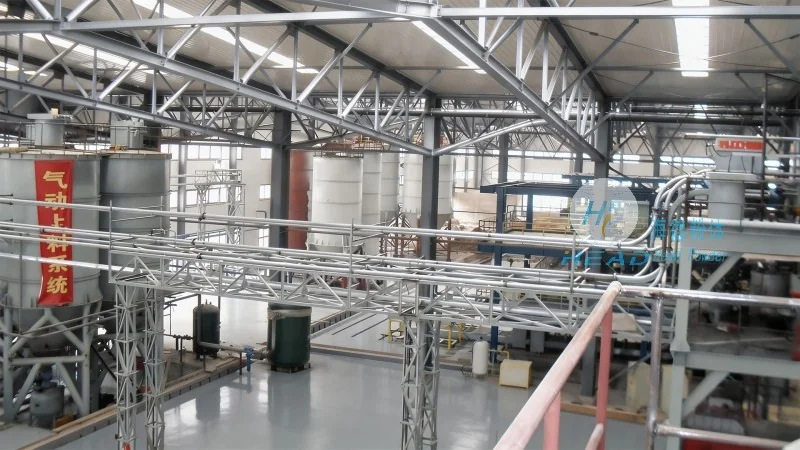
Polypropylene (PP) is a widely used thermoplastic polymer known for its durability, chemical resistance, and versatility in various applications. However, handling PP powder presents unique challenges due to its fine particle size, flow characteristics, and potential for static charge accumulation. Traditional bulk material handling methods may struggle with these properties, leading to issues like clogging, dust generation, and material loss. A pneumatic conveying system addresses these challenges by using air to transport the powder, ensuring a clean, efficient, and safe process.
Core Components of a Polypropylene Powder Pneumatic Conveying System
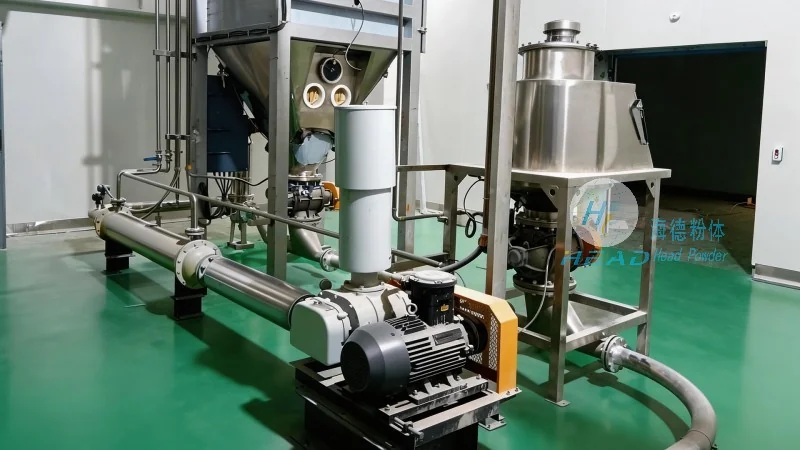
The design of a polypropylene powder pneumatic conveying system involves several key components that work in tandem to ensure optimal performance. These components include the hopper or feeder, which holds the polypropylene powder and regulates its flow; the air compressor or blower, which generates the necessary air pressure to move the material; the conveying line, which transports the powder from the source to the destination; and the receiver or discharge unit, which collects the material at the end of the line. Each component is carefully selected and integrated to handle the specific properties of polypropylene powder, ensuring consistent and reliable operation.
Design Principles for Efficient Polypropylene Powder Conveying
The design principles of a polypropylene powder pneumatic conveying system focus on maximizing efficiency, minimizing material degradation, and ensuring safety. One key principle is maintaining appropriate air velocity and pressure to prevent particle segregation and clogging. The system must be designed to handle the specific flow characteristics of PP powder, which can vary based on moisture content, particle size distribution, and bulk density. Additionally, the system incorporates features to manage static electricity, such as grounding and anti-static additives, to prevent dust explosions and ensure safe operation. The design also considers the overall system layout, including the length and diameter of the conveying line, to minimize pressure drop and energy consumption.
Advantages of Using a Polypropylene Powder Pneumatic Conveying System
Implementing a polypropylene powder pneumatic conveying system offers numerous advantages for manufacturers. These systems provide a dust-free and enclosed environment, reducing the risk of contamination and improving workplace safety. They also enable precise control over the material flow, allowing for accurate dosing and consistent product quality. Furthermore, pneumatic conveying systems are flexible and can be easily integrated into existing production lines, adapting to changes in production volume or material specifications. The use of compressed air as the conveying medium also allows for the transport of polypropylene powder over long distances without the need for additional equipment like conveyor belts or buckets.
Application Examples and Industry Use Cases
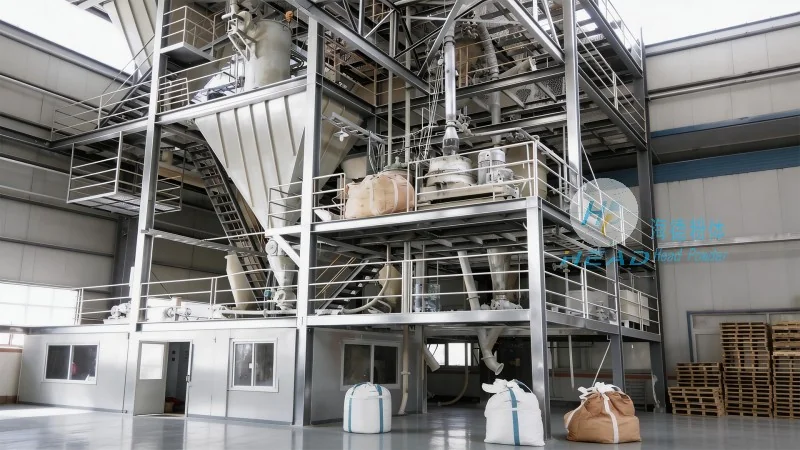
Polypropylene powder pneumatic conveying systems are widely used in various industries, including plastics manufacturing, chemical processing, and food processing. In plastics manufacturing, these systems are used to transport PP powder from storage silos to extrusion lines, ensuring a continuous and efficient production process. In chemical processing, they handle polypropylene powders used in the production of resins and additives, maintaining the purity and quality of the final products. The systems are also employed in food processing to transport polypropylene-based ingredients, adhering to strict hygiene and safety standards. These applications highlight the versatility and reliability of pneumatic conveying systems in handling polypropylene powder in diverse industrial settings.
Conclusion and Company Overview
Polypropylene powder pneumatic conveying systems are essential for efficient and safe material handling in industries dealing with polypropylene. The design principles and components of these systems are tailored to address the unique challenges of polypropylene powder, ensuring reliable operation and optimal performance. As a leading provider in this field, Shandong HeadPowder Engineering Co., Ltd. specializes in designing and manufacturing customized pneumatic conveying solutions that meet the specific needs of their clients. With a focus on quality, innovation, and customer satisfaction, HeadPowder has established itself as a trusted partner for industries seeking efficient polypropylene powder handling solutions. Based in Shandong, China, the company leverages its expertise to deliver high-performance systems that enhance productivity and safety in material handling processes.