

What is a Potassium Sulfate Powder Pneumatic Conveying System? And What Are Its Design Principles?
Exploring the Potassium Sulfate Powder Pneumatic Conveying System and Its Design Principles
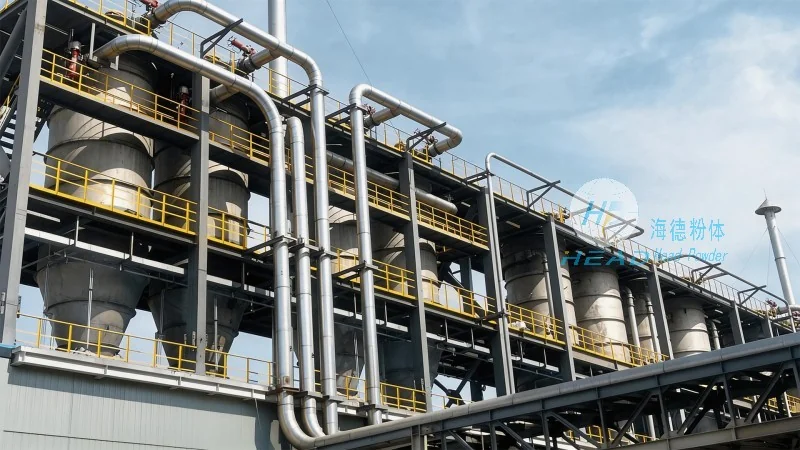
Introduction to Potassium Sulfate Powder Pneumatic Conveying Systems
Potassium sulfate is a key agricultural fertilizer, and its efficient transportation is vital for supply chain operations. The potasium sulfate powder pneumatic conveying system is a specialized technology designed to move bulk powders like potassium sulfate through pipelines using air or gases. This system offers a reliable solution for handling fine powders, minimizing loss and preserving product quality. As a leading provider in this field, Shandong HeadPowder Engineering Co., Ltd. specializes in designing and manufacturing such systems, with a strong presence in China.
About HeadPowder: A Reputable Provider of Powder Handling Solutions
HeadPowder, formally known as Shandong HeadPowder Engineering Co., Ltd., is a reputable company based in Shandong, China. With extensive experience in engineering and manufacturing pneumatic conveying systems, HeadPowder has established itself as a key player in the industry. The company’s expertise lies in creating customized solutions tailored to the specific needs of clients, particularly in agricultural and chemical sectors. HeadPowder’s commitment to quality and innovation ensures their systems are efficient, durable, and cost-effective, making them a preferred choice for businesses dealing with bulk powders.
What Is a Potassium Sulfate Powder Pneumatic Conveying System?
A potasium sulfate powder pneumatic conveying system is a mechanism that transports potassium sulfate powder through a pipeline by utilizing the force of air or other gases. This system typically includes components such as a material feeder, a blower or compressor, a pipeline network, and a discharge device. The process involves feeding the potassium sulfate powder into the system, where it is mixed with air under controlled conditions. The air then carries the powder through the pipeline to the destination point, like a storage silo or processing unit. This method is especially effective for fine powders like potassium sulfate, which are prone to dust and caking if handled manually.
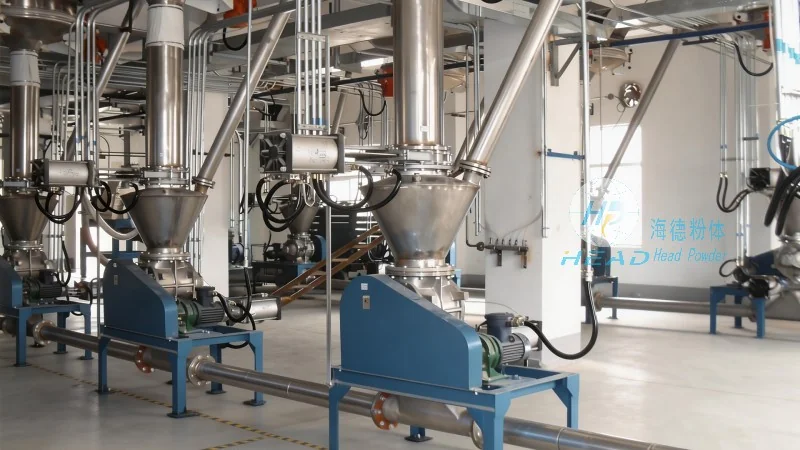
Core Design Principles of the System
The design of a potasium sulfate powder pneumatic conveying system is based on several fundamental principles to ensure optimal performance and safety. One primary principle is selecting the appropriate conveying method—either positive pressure (air forced into the system) or negative pressure (air drawn out). The choice depends on factors like the powder’s properties, the distance to be conveyed, and the system layout. Another critical principle is calculating the air-to-solid ratio, which determines the air needed to transport the powder efficiently. This ratio is essential for maintaining flow rate and preventing blockages. Additionally, the system’s design considers the material’s flow characteristics, including density, particle size, and moisture content, to ensure smooth and consistent operation. Proper pipeline design, including bends, valves, and filters, is also vital to prevent powder accumulation and maintain system efficiency.
Key Components and Their Functions
The potasium sulfate powder pneumatic conveying system comprises several key components, each with a vital role. The material feeder feeds the potassium sulfate powder into the system at a controlled rate, preventing overloading and ensuring steady flow. The blower or compressor provides the necessary air pressure to move the powder through the pipeline. The pipeline network connects the feeder to the discharge point and may include fittings and accessories to direct the flow. The discharge device, such as a silo or hopper, collects the powder at the end, allowing for further processing or storage. Filters and cyclones are also included to separate fine particles from the air, ensuring powder is not lost and the air is clean before release.
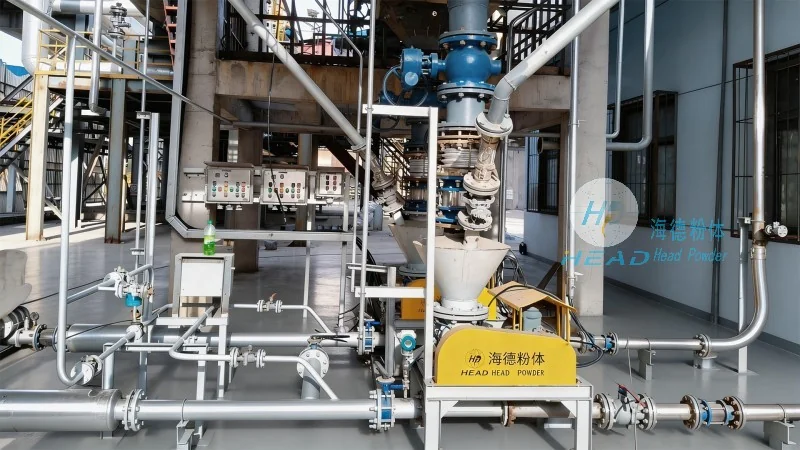
Advantages of Using a Potassium Sulfate Powder Pneumatic Conveying System
Implementing a potasium sulfate powder pneumatic conveying system offers numerous advantages over traditional methods like belt conveyors or manual handling. One main benefit is high efficiency in transporting bulk powders over long distances with minimal labor. The system can handle large volumes of potassium sulfate, reducing the need for multiple handling steps and minimizing product contamination. Additionally, pneumatic conveying is a closed system, helping control dust and prevent environmental pollution—critical for potassium sulfate, which can be a respiratory irritant if inhaled. The system also offers layout flexibility, as pipelines can be installed in various configurations to suit plant design. Furthermore, it is relatively easy to maintain and can be scaled to meet changing production needs.
Applications and Use Cases
The potasium sulfate powder pneumatic conveying system is widely used across industries, with significant application in agriculture for fertilizer distribution. It is also employed in chemical manufacturing, food processing, and other sectors where bulk powders need to be transported. For example, in a fertilizer plant, the system can transport potassium sulfate from production areas to storage silos or loading facilities. In a chemical plant, it may move the powder to processing units or packaging lines. The system’s adaptability makes it suitable for small-scale operations to large industrial facilities.
Conclusion: The Importance of a Well-Designed Pneumatic Conveying System
In conclusion, the potasium sulfate powder pneumatic conveying system is a critical technology for efficiently handling and transporting potassium sulfate. Its design principles, based on air flow, material properties, and system layout, ensure optimal performance and safety. Companies like Shandong HeadPowder Engineering Co., Ltd. play a vital role in providing these systems, offering customized solutions that meet client needs. By leveraging the advantages of pneumatic conveying, businesses can improve operational efficiency, reduce costs, and enhance product quality. As the demand for efficient powder handling solutions grows, the potasium sulfate powder pneumatic conveying system remains a reliable and effective choice for the industry.