Aluminum dross is a solid byproduct generated during the aluminum production process, primarily composed of aluminum oxide and metallic aluminum. These powder materials need to be efficiently and safely conveyed to processing or storage facilities. The aluminum dross powder conveying system is specifically designed to address this requirement, integrating various conveying technologies to ensure the stability and reliability of the material during transport while minimizing operational risks and energy consumption.
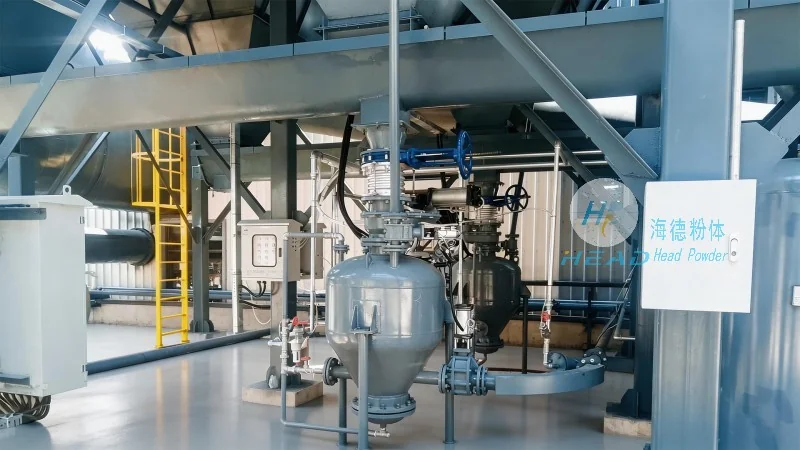
Key Components and Design Principles of the System
The design of an aluminum dross powder conveying system is based on a thorough analysis of the material's physical properties. First, material characteristic analysis is a core step. Aluminum dross typically has high density, certain flowability (depending on moisture content), and wear resistance, which directly impacts the selection of conveying equipment. For example, for long-distance transport, pneumatic conveying or mechanical conveying (such as screw conveyors or belt conveyors) may be prioritized. During system design, factors like particle size distribution, moisture content, and the presence of metal impurities are considered, as they affect conveying efficiency.
Second, the conveying distance and volume are critical design parameters. Depending on the actual application scenario, the system may need to transport materials from a few meters to hundreds of meters, or even longer distances. The conveying volume is determined by the production line's processing capacity, usually measured in tons per hour. The design involves calculating the appropriate specifications for conveying equipment, such as the power of the pneumatic fan, pipe diameter, or the width of the belt and screw diameter for mechanical conveyors.
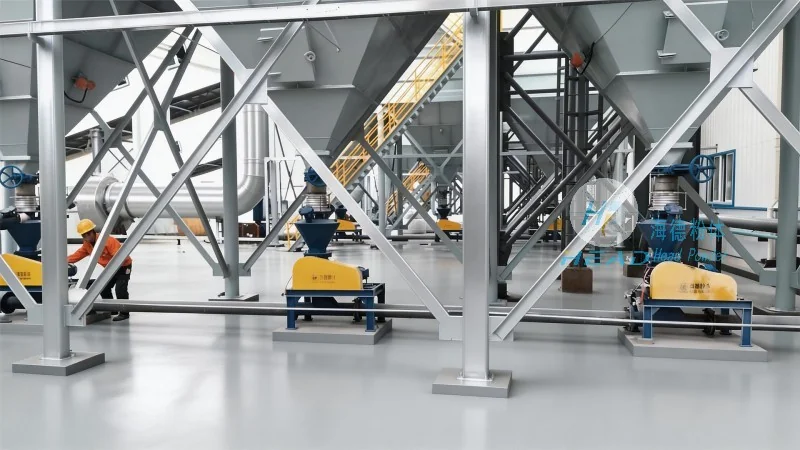
Energy consumption control is also a key design principle. Aluminum dross conveying systems typically operate continuously, so energy efficiency directly impacts operational costs. Modern designs tend to use high-efficiency motors, energy-saving fans, and optimize the layout of conveying pipelines to reduce the accumulation of bends and resistance. For instance, using straight pipe sections and gentle bends, or employing wear-resistant materials to minimize friction loss, thereby reducing energy consumption.
Additionally, the system must consider safety and environmental requirements. Aluminum dross may contain high-temperature or flammable components, posing a risk of dust explosions and fires during transport. Therefore, the system is typically equipped with explosion-proof fans, dust collection devices, and temperature monitoring equipment. The design of conveying equipment also ensures operator safety, such as enclosed structures, emergency stop buttons, etc.
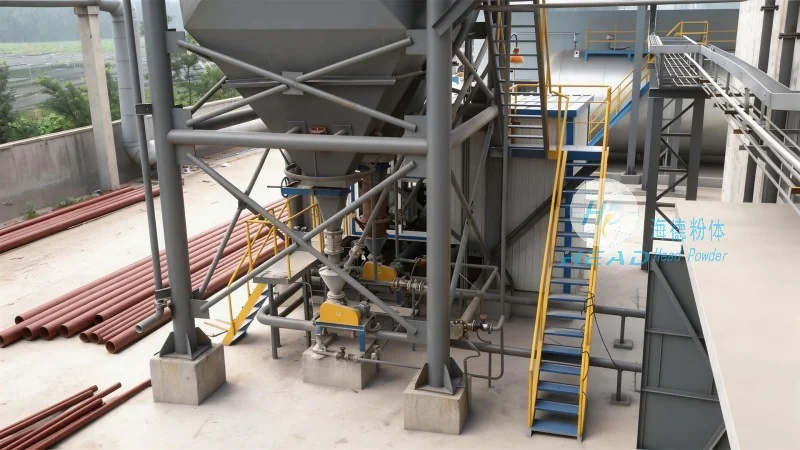
Application Scenarios and Operational Benefits
Aluminum dross powder conveying systems are widely used in the aluminum smelting, secondary aluminum processing, and related industrial fields. For example, in aluminum dross treatment plants, the system conveys dross from reactors or silos to briquetting machines or rotary kilns for further processing or recovery. In secondary aluminum production lines, the system transports dross to melting furnaces to improve aluminum recovery rates. Additionally, in the environmental field, the system is used to transport dross to storage facilities or treatment facilities, reducing environmental pollution.
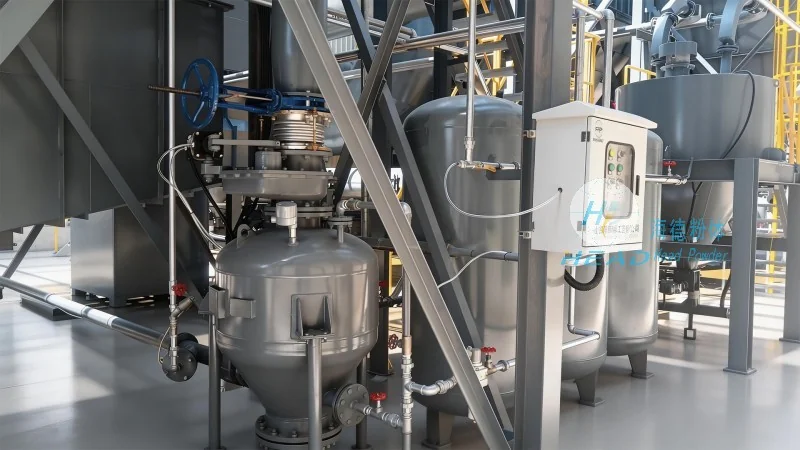
Advantages of using aluminum dross powder conveying systems include: improving production efficiency by automating material transport and reducing manual labor; reducing material loss by minimizing dust scattering and material leakage during transport; lowering energy consumption and operational costs through optimized design and efficient equipment; and enhancing safety by implementing explosion-proof design and safety controls to reduce accident risks. These advantages make the aluminum dross powder conveying system an indispensable equipment in the aluminum industry.
Conclusion
Aluminum dross powder conveying systems are key equipment for efficiently transporting aluminum dross powder materials in the aluminum industry. Their design is based on a comprehensive consideration of material characteristics, conveying distance, conveying volume, and energy consumption and safety requirements. By integrating advanced conveying technologies and optimizing design, the system can meet the needs of different production scenarios, improve production efficiency, reduce operational costs, and ensure operational safety. As a company specializing in aluminum dross treatment technology, Shandong HeadPowder Engineering Co., Ltd. provides aluminum dross powder conveying system equipment that, with its reliable design and performance, provides strong support for the sustainable development of the aluminum industry.




