Ceramic powder conveying lines are essential systems used in the manufacturing and processing of ceramic materials. These lines are engineered to transport fine ceramic powders efficiently and reliably, ensuring consistent quality and performance in various industrial applications. The design of a ceramic powder conveying line involves several key components and principles that work together to achieve optimal material handling. Understanding these elements is crucial for industries that rely on ceramic powders, such as ceramics manufacturing, pharmaceuticals, and specialty chemicals.
Key Components of a Ceramic Powder Conveying Line
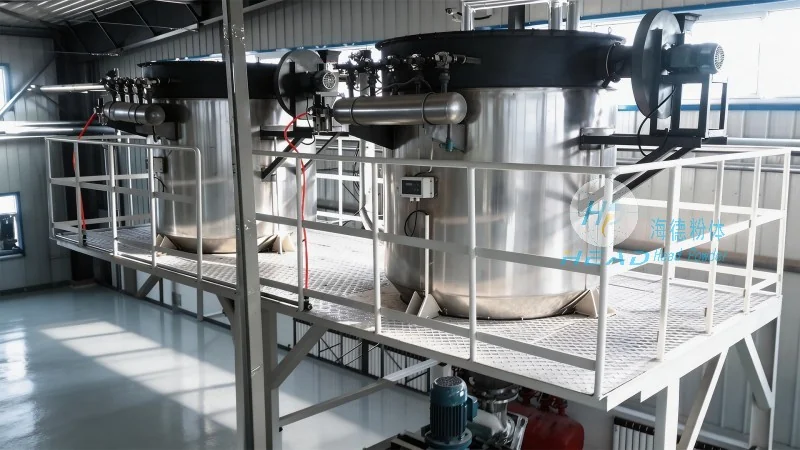
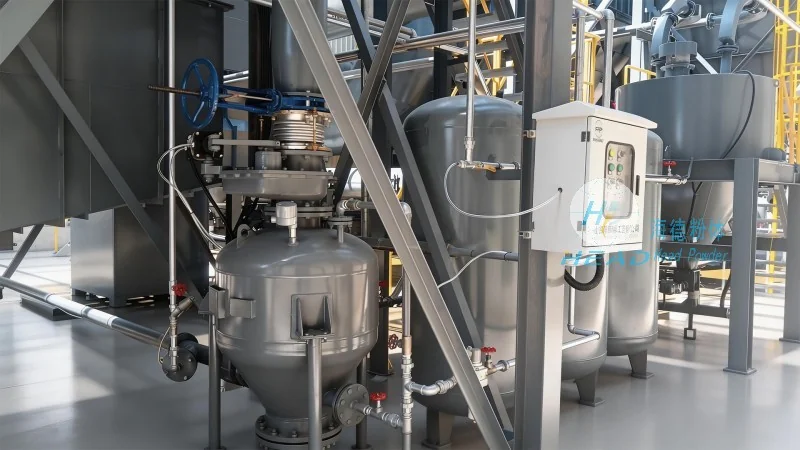
The core components of a ceramic powder conveying line typically include a feeding system, conveying mechanism, control system, and material handling equipment. The feeding system is responsible for introducing the ceramic powder into the line, often using hoppers or feeders that can handle different powder types and flow rates. The conveying mechanism, which may include pneumatic or mechanical systems, transports the powder through the line. Pneumatic conveying systems use air or other gases to move the powder, while mechanical systems rely on screws, belts, or other mechanisms. The control system manages the operation of the conveying line, ensuring proper flow rates, pressure, and temperature to prevent material degradation or clogging. Material handling equipment, such as silos, storage tanks, and transfer units, are also integral to the overall system, providing storage and transfer capabilities.
Design Principles for Efficient Ceramic Powder Conveying
The design of a ceramic powder conveying line is guided by several principles to ensure efficiency, reliability, and safety. One of the primary principles is the minimization of material degradation. Ceramic powders are often sensitive to friction, temperature, and moisture, which can affect their properties. Therefore, the design incorporates smooth surfaces, low-friction materials, and temperature-controlled environments to preserve the powder's quality. Another key principle is the prevention of clogging and blockages. This is achieved through proper particle size distribution, appropriate conveying velocities, and the use of anti-clogging devices such as agitators or vibration systems. The design also considers the need for dust control and environmental safety, as ceramic powders can be hazardous if not handled properly. Filtration systems and containment measures are typically included to ensure compliance with safety regulations and to protect workers from exposure.
Applications of Ceramic Powder Conveying Lines
Ceramic powder conveying lines are used in a wide range of applications across various industries. In the ceramics manufacturing industry, these lines are used to transport raw materials to production lines, ensuring a steady supply of high-quality powders for ceramic products such as tiles, sanitaryware, and refractory materials. In the pharmaceutical industry, ceramic powder conveying lines are employed to handle active pharmaceutical ingredients (APIs) and excipients, providing a clean and controlled environment for powder handling. The specialty chemicals industry also utilizes these systems for the transport of ceramic-based catalysts and pigments, which require precise handling to maintain their effectiveness. Additionally, in research and development settings, ceramic powder conveying lines are used to transport experimental powders, enabling efficient testing and analysis.
Advantages of Using Ceramic Powder Conveying Lines
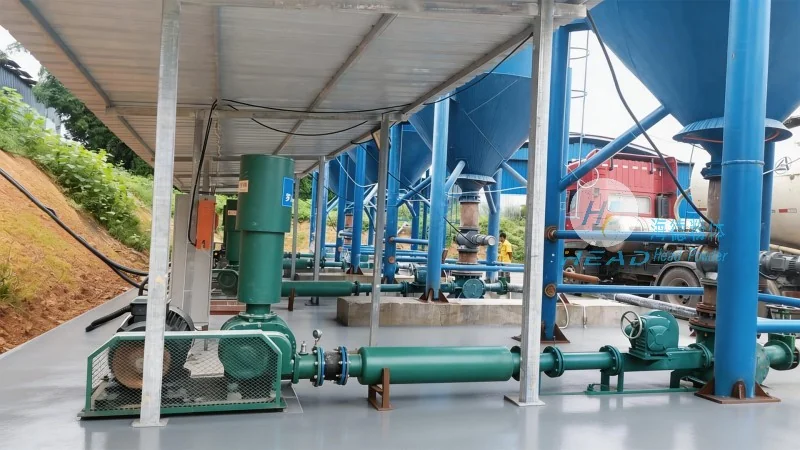
Implementing a ceramic powder conveying line offers several advantages for industrial operations. One of the main benefits is improved efficiency and productivity. By automating the powder handling process, companies can reduce labor costs and increase throughput, leading to higher production rates. The consistent flow of materials also ensures uniform product quality, which is critical in industries where product consistency is paramount. Another advantage is enhanced safety and environmental protection. The enclosed systems and dust control measures minimize the risk of powder exposure and contamination, protecting workers and the environment. Furthermore, the use of advanced control systems allows for real-time monitoring and adjustment of the conveying process, enabling quick response to any issues that may arise. This leads to reduced downtime and increased operational reliability.
Customization and Integration with Existing Systems
Shandong HeadPowder Engineering Co., Ltd. specializes in designing and manufacturing customized ceramic powder conveying lines to meet the specific needs of their clients. The company, based in Shandong, China, offers tailored solutions that integrate seamlessly with existing industrial systems. Their expertise lies in understanding the unique requirements of each application, from the type of ceramic powder to the production scale and environmental conditions. The customization process involves thorough analysis of the client's needs, followed by the design of a system that optimizes material handling while minimizing costs and maintenance. HeadPowder's team of engineers works closely with clients to ensure that the final solution meets all operational and safety standards. The company's commitment to quality and innovation has made them a trusted partner in the ceramic processing industry, providing reliable and efficient conveying solutions for various applications.




