For those in the food processing industry, especially those dealing with cocoa products, understanding the technology behind cocoa powder conveying lines is crucial. These systems are designed to efficiently transport cocoa powder and related materials, ensuring consistent quality and operational efficiency. This article will explore the concept of a cocoa powder conveying line and delve into its design principles, providing insights into how such systems are engineered for optimal performance.
Introduction to Cocoa Powder Conveying Lines
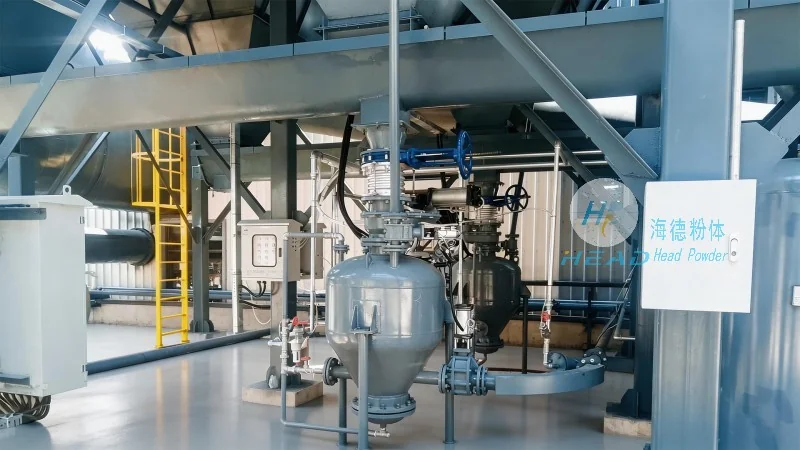
A cocoa powder conveying line is a specialized system used to move cocoa powder and other fine powders from one point to another within a processing facility. These lines are essential in chocolate manufacturing, cocoa processing, and related industries, where the smooth and controlled movement of powders is vital for maintaining product quality and preventing contamination. The system typically includes components such as hoppers, conveyors, dust collection systems, and control mechanisms, all working in tandem to ensure the safe and efficient transfer of cocoa powder.
About HeadPowder: The Expert in Powder Handling Solutions
HeadPowder, or Shandong HeadPowder Engineering Co., Ltd., is a leading provider of advanced powder handling equipment and systems. With a strong presence in China, particularly in Shandong, the company specializes in designing and manufacturing solutions tailored to the unique needs of the food and pharmaceutical industries. HeadPowder's expertise lies in creating efficient, reliable, and hygienic conveying systems that meet the stringent standards required for handling cocoa powder and other sensitive materials. The company's commitment to quality and innovation has made it a trusted partner for businesses seeking to optimize their powder processing operations.
Design Principles of Cocoa Powder Conveying Lines
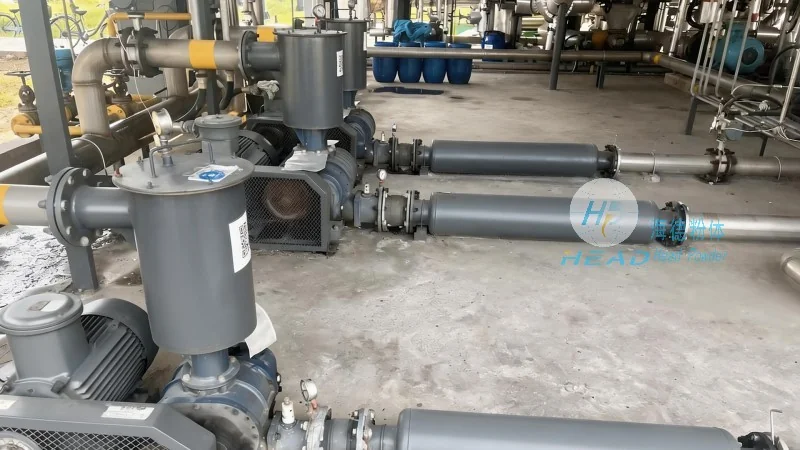
The design of a cocoa powder conveying line is based on several key principles aimed at ensuring efficiency, safety, and product integrity. First, the system must be designed to handle the specific properties of cocoa powder, which includes its fine particle size, hygroscopic nature, and potential for dust generation. This requires careful consideration of material selection, as components must be resistant to corrosion and able to withstand the abrasive effects of the powder.
Second, the conveying line must be designed for minimal product degradation. This involves using gentle handling methods, such as pneumatic or mechanical conveyors that reduce the risk of agglomeration or particle breakage. The design also considers the need for dust control, as cocoa powder is prone to creating airborne particles that can affect both product quality and worker safety. Effective dust collection systems are integrated into the design to capture and filter the powder, preventing contamination and ensuring a clean working environment.
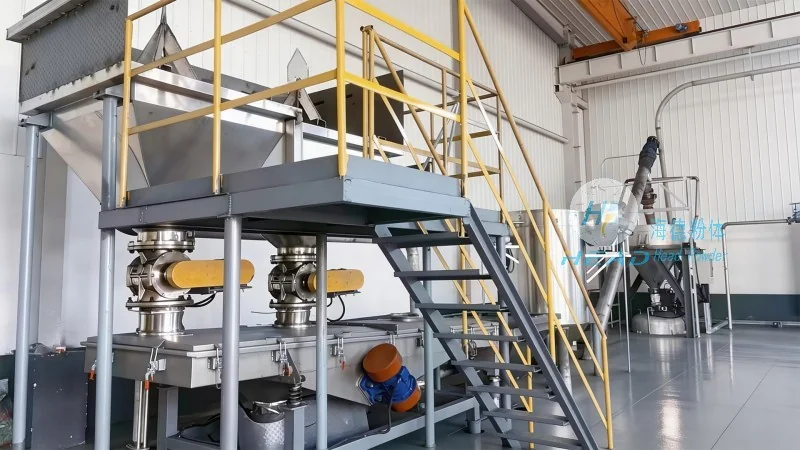
Third, the system must be optimized for energy efficiency and operational reliability. This includes selecting the appropriate conveyor type, such as screw conveyors, belt conveyors, or pneumatic systems, based on the specific requirements of the application. The design also incorporates control mechanisms that allow for precise regulation of flow rates, ensuring that the conveying process is consistent and can be adjusted as needed. Additionally, the system is built with durability in mind, using high-quality materials and robust construction to withstand the demands of continuous operation in a processing environment.
Key Components and Their Functions
A typical cocoa powder conveying line consists of several key components, each playing a critical role in the overall operation. The primary components include hoppers, which are used to store and feed the cocoa powder into the system. Hoppers are designed with smooth, sloped surfaces to prevent material buildup and ensure a consistent flow of powder. Next, the conveyor system, which can be pneumatic or mechanical, is responsible for moving the powder from the hopper to the desired destination. Pneumatic conveyors use air pressure to transport the powder, while mechanical conveyors rely on rotating components to move the material.
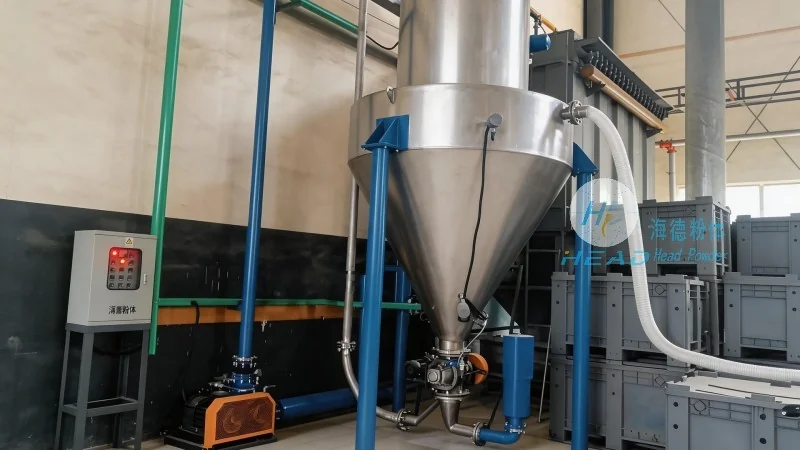
Dust collection systems are another essential component, as they help to capture and remove airborne particles, maintaining a clean and safe environment. These systems typically include filters and fans that draw in the air containing the powder and separate the particles from the air stream. The collected powder is then returned to the system or disposed of as needed. Finally, control panels and sensors are integrated into the design to monitor and regulate the operation of the conveying line. These components allow operators to adjust flow rates, check system status, and ensure that the system is running efficiently and safely.
Benefits of Using a Cocoa Powder Conveying Line
Implementing a cocoa powder conveying line offers numerous benefits for businesses in the food processing industry. First, it improves operational efficiency by automating the process of moving cocoa powder, reducing the need for manual handling and minimizing the risk of human error. This leads to increased productivity and lower labor costs. Second, the system enhances product quality by ensuring consistent flow and preventing contamination. The gentle handling of the powder reduces the risk of agglomeration or particle breakage, which can affect the final product's texture and appearance. Third, the system improves safety by reducing the exposure of workers to airborne dust and minimizing the risk of accidents associated with manual handling of powders. Additionally, the energy-efficient design of modern conveying lines helps to reduce operational costs and environmental impact.
Conclusion
In conclusion, a cocoa powder conveying line is a critical component in the processing of cocoa products, designed to efficiently and safely transport cocoa powder and related materials. The design principles behind such systems focus on handling the unique properties of cocoa powder, ensuring product integrity, and optimizing operational efficiency. Companies like Shandong HeadPowder Engineering Co., Ltd. play a vital role in providing these advanced solutions, helping businesses in the food industry to enhance their operations and meet the demands of a competitive market. By understanding the design and functionality of cocoa powder conveying lines, businesses can make informed decisions about implementing these systems and improving their overall processing capabilities.




